

Shariah-Compliant Actions on the Day of Aqeeqah
Understanding Aqeeqah
Aqeeqah is an Islamic tradition that marks the celebration of a newborn child. It is deeply rooted in Sunnah and signifies gratitude to Allah (SWT) for the blessing of a new life. The practice involves a set of Shariah-compliant actions which are observed on the seventh day after birth, although they can also be performed later.
1. Significance and Intent of Aqeeqah
The primary intent behind Aqeeqah is to express gratitude to Allah (SWT) for the gift of a child. This practice embodies a sense of community, brings families together, and teaches children about the value of faith and charity. The primary hadith supporting the concept of Aqeeqah can be found in the traditions of Prophet Muhammad (PBUH):
“For a boy, there is a sacrifice of two sheep, and for a girl, there is a sacrifice of one sheep.” (Sunan Abi Dawood)
2. Choosing the Right Animal
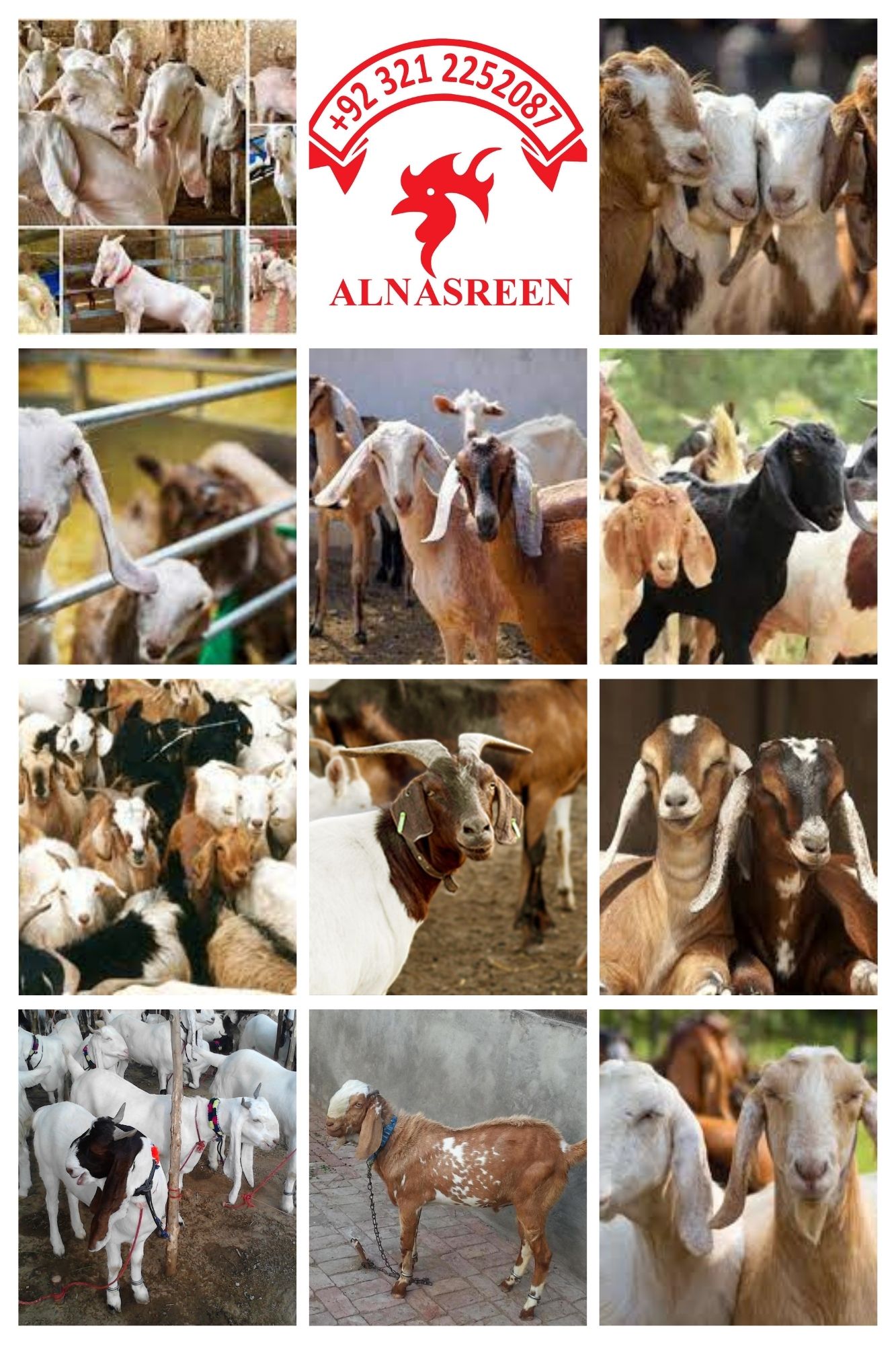
When preparing for the Aqeeqah, selecting the right animal for sacrifice is paramount. The Shariah provides guidelines concerning the animal’s age, condition, and suitability.
- Types of Animals: Sheep, goats, cows, and camels are permissible, with the sheep being the preferred choice for boys.
- Health Criteria: The animal should be healthy, free from defects, and should meet Islamic slaughtering guidelines.
- Age Requirement: A sheep must be at least one year old, while a goat must be at least six months old.
3. Performing the Sacrifice
The sacrifice is ideally performed on the seventh day after the child’s birth but can be done later if necessary. It is essential to follow Islamic guidelines during the process:
- Zabiha (Slaughtering Method): The animal should be slaughtered by invoking the name of Allah (SWT) while ensuring that the act follows the proper Islamic etiquettes.
- Direction of Qibla: It is recommended to face the Qibla direction when performing the sacrifice.
- Handling of the Meat: After the sacrifice, the meat should be divided into three parts: one-third for the family, one-third for friends and neighbors, and one-third for the poor and needy.
4. Naming the Child
According to Sunnah, naming the child is ideally done on the same day as the Aqeeqah. The following principles should be observed:
- Meaningful Names: It is encouraged to choose names with good meanings, often names of Prophets, righteous individuals, or names indicating servitude to Allah (like Abdullah or Abdur Rahman).
- Avoiding Negative Names: Names that carry negative connotations should be avoided.
- Public Announcement: The name can be publicly announced during the Aqeeqah gathering, enhancing communal ties.
5. Offering a Feast
A significant aspect of the Aqeeqah is organizing a feast to celebrate the occasion. This includes:
- Inviting Family and Friends: Hosting a gathering enhances familial bonds, allowing loved ones to share in the joy of the new addition to the family.
- Serving Food: Ensuring that food is haram-free and fits within the dietary restrictions of Islam, keeping it halal.
- Encouraging Generosity: The gathering may serve as a time to encourage charitable donations, emphasizing the importance of giving back within the community.
6. Recitation of Quran and Duas
Engaging the family and guests in reciting Quranic verses and special duas can enrich the spiritual atmosphere of the Aqeeqah:
- Surah Al-Ikhlas: Reciting this Surah is recommended and is a way to emphasize the oneness of Allah (SWT).
- Dua for Protection: Praying for the child’s future, health, and well-being is encouraged, fostering communal support and blessings.
7. Clothing the Child
It is also Sunnah to dress the child in new or beautiful clothes for the Aqeeqah.
- Symbol of Celebration: The attire signifies the joy and celebration of the new life introduced into the family and community.
- Adherence to Modesty: The clothing should align with the Islamic guidelines of modesty, ensuring that it is appropriate and respectful.
8. Gifts for the Child
Gift-giving is a common practice during the Aqeeqah, often involving family and friends.
- Meaningful Gifts: Gifts, particularly those that are beneficial, like books on Islam or educational toys, can aid in the child’s development.
- Avoid Extravagance: The focus should remain on the child’s needs rather than opulence, emphasizing simplicity and practicality.
9. Photography and Documentation
Capturing the essence of the Aqeeqah through photographs can be important for many families.
- Respectful Conduct: family members and guests should maintain respect and modesty in dressing and behavior, even during photography sessions.
- Documenting the Event: Sharing the excitement of the Aqeeqah via social media can help engage the broader community, fostering connection and celebration.
10. Follow-Up Practices
After the day of the Aqeeqah, there are continued practices that families should consider:
- Regularly Praying for the Child: Making regular supplications for the child’s well-being and guidance is an ongoing commitment.
- Creating a Family Legacy: Documenting the Aqeeqah experience in family albums or journals can instill a sense of heritage and memory for the child.
Summary of Sunnah Actions of Aqeeqah
1. Sacrifice of animals based on gender: Two sheep for boys, one for girls.
2. Naming the child on the seventh day: Select names that carry positive meanings.
3. Feast for family and friends: Share food and cultivate community spirit.
4. Recitation of Quranic verses and prayers: Spiritual enrichment during the event.
5. Dressing the child in new clothes: This holds significance for the celebration.
6. Giving gifts: Choose gifts that contribute positively to the child’s growth.
7. Respectful photography: Document the event while adhering to Islamic etiquette.
8. Prayers for the child’s future: Continue prayer for the child’s well-being and guidance.
By adhering to these Shariah-compliant actions, families can ensure that their practice of Aqeeqah aligns with Islamic teachings, enriches their spiritual lives, and fosters familial bonds in community celebration.

