

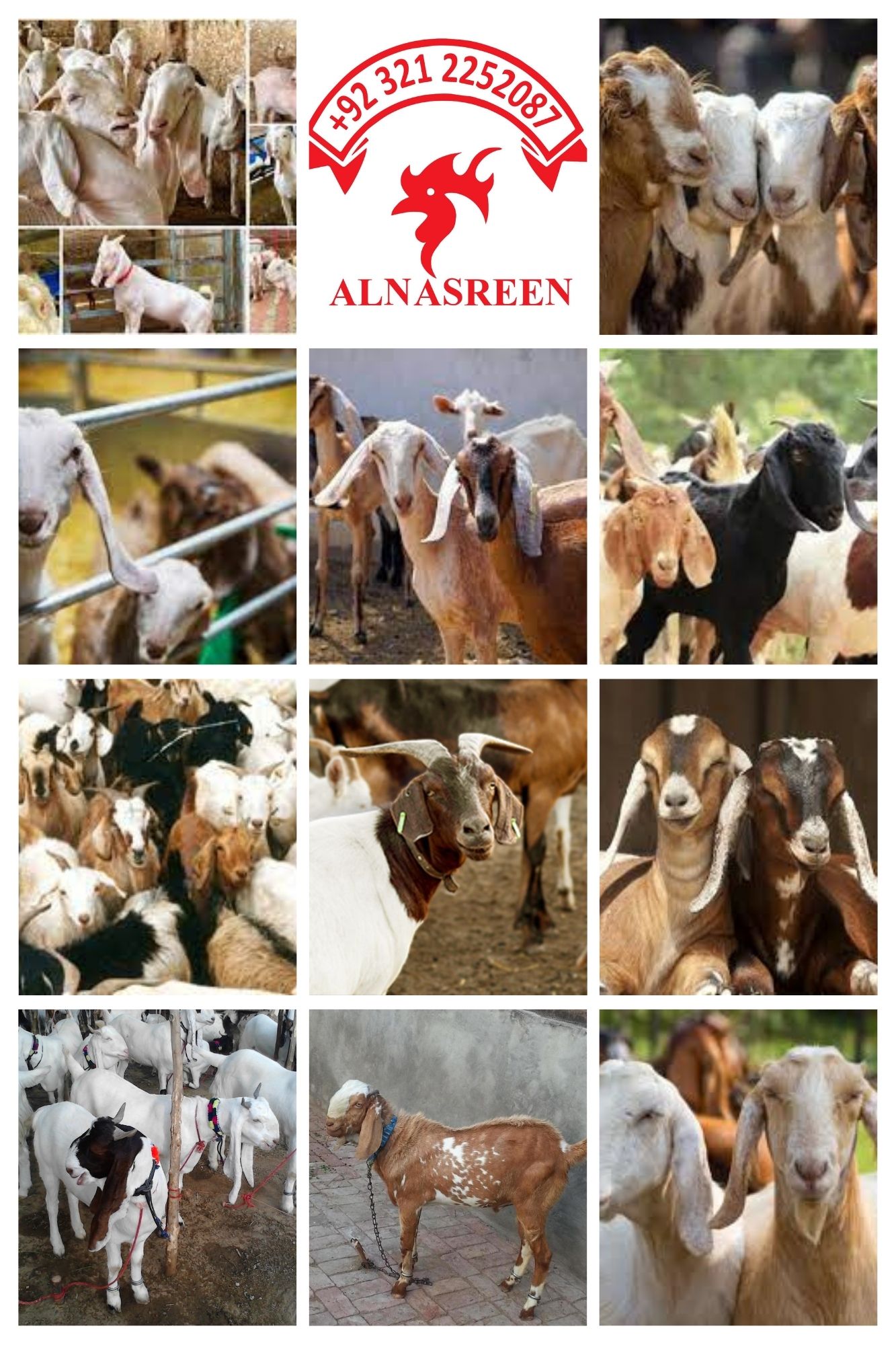
Sadqa Bakra for Needy ALNASREEN: A Detailed Guide
Understanding Sadqa in Islam
Sadqa, often translated as voluntary charity, is a fundamental pillar of Islamic practice. It encompasses any act of kindness, generosity, or assistance given to those in need, purely for the sake of Allah. This broad definition extends beyond monetary donations to include physical acts of service, offering kind words, and even a simple smile. The Quran and Sunnah (the teachings and practices of Prophet Muhammad, peace be upon him) emphasize the importance of Sadqa, highlighting its ability to purify wealth, alleviate suffering, and strengthen the bonds of community.
The benefits of giving Sadqa are multifaceted. It is believed to earn divine blessings, protect against misfortune, and increase one’s provisions. More importantly, Sadqa fosters empathy and compassion, reminding individuals of their responsibility towards the less fortunate. It bridges the gap between the rich and the poor, creating a more equitable and just society.
The Significance of Animal Sacrifice in Islam: Qurbani and Aqiqah
While Sadqa covers a wide range of charitable acts, animal sacrifice holds a special significance in Islamic tradition. Two primary forms of animal sacrifice are practiced: Qurbani (Udhiyah) and Aqiqah.
-
Qurbani (Udhiyah): Performed during Eid al-Adha, Qurbani commemorates the Prophet Ibrahim’s (Abraham) willingness to sacrifice his son, Ismail (Ishmael), in obedience to Allah’s command. This act of devotion is a reminder of complete submission to God and a demonstration of gratitude for His blessings. The meat from the sacrificed animal is traditionally divided into three portions: one for the family offering the Qurbani, one for relatives and friends, and one for the poor and needy.
-
Aqiqah: Aqiqah is the sacrifice of an animal, typically a sheep or goat, to celebrate the birth of a child. It is a Sunnah (recommended practice) that expresses gratitude to Allah for the gift of a child and provides an opportunity to share joy and blessings with the community. The meat from the Aqiqah is usually cooked and distributed among family, friends, and the poor.
Both Qurbani and Aqiqah serve as powerful reminders of the importance of sacrifice, gratitude, and sharing with those less fortunate. They are acts of worship that embody the spirit of generosity and compassion that are central to Islamic teachings.
Sadqa Bakra: A Specific Form of Sadqa
Sadqa Bakra refers specifically to the donation of a goat (bakra in Urdu/Hindi) as Sadqa. This practice combines the general principle of Sadqa with the specific act of animal sacrifice, often undertaken for specific reasons, such as seeking blessings, warding off misfortune, or fulfilling a vow.
Reasons for Giving Sadqa Bakra:
-
Seeking Blessings (Barakah): Many Muslims donate a goat as Sadqa to seek Allah’s blessings in various aspects of their lives, such as health, wealth, and family well-being. They believe that this act of generosity will attract divine favor and increase prosperity.
-
Warding Off Misfortune (Bala): Sadqa is considered a powerful means of protection against calamities and misfortunes. Donating a goat as Sadqa is seen as a way to appease Allah and seek His protection from harm.
-
Fulfilling a Vow (Nazar): If a person makes a vow to Allah to perform a specific act if a particular wish is fulfilled, they may choose to donate a goat as Sadqa to fulfill their vow upon the fulfillment of their wish.
-
Healing from Illness (Shifa): Some individuals donate a goat as Sadqa with the intention of seeking healing from illness. They believe that this act of charity will be accepted by Allah and contribute to their recovery.
-
Atonement for Sins (Kaffarah): While not a direct substitute for repentance, Sadqa can serve as a means of atoning for minor sins and seeking forgiveness from Allah. Donating a goat as Sadqa is seen as an act of remorse and a desire to purify oneself.
-
General Charity and Compassion: Ultimately, Sadqa Bakra can be given simply out of a desire to help those in need and to fulfill the Islamic obligation of charity. It is a tangible way to express compassion and contribute to the well-being of the community.
ALNASREEN: Understanding the Needs of a Specific Community
To effectively channel Sadqa Bakra, it’s crucial to understand the specific needs of the community being served. ALNASREEN, in this context, refers to a specific group of needy individuals. This could be a geographical community facing poverty, a specific orphanage, a group of widows and orphans, or any other vulnerable population.
To understand their needs, consider the following factors:
-
Location and Demographics: Where is ALNASREEN located? What is the population size, age distribution, and ethnic composition? This will help determine the specific challenges they face.
-
Socioeconomic Conditions: What is the average income level? What are the primary sources of livelihood? What are the unemployment rates? Understanding the economic realities will reveal the extent of their poverty.
-
Access to Basic Necessities: Do they have access to clean water, food, shelter, healthcare, and education? These are fundamental needs that must be addressed.
-
Specific Challenges: Are they facing specific challenges such as natural disasters, conflict, displacement, or discrimination? These factors can exacerbate their vulnerability.
-
Cultural and Religious Context: What are their cultural and religious beliefs and practices? This is important to ensure that the Sadqa Bakra is distributed in a culturally sensitive and religiously appropriate manner.
By gathering this information, you can tailor your Sadqa Bakra efforts to meet the specific needs of ALNASREEN and maximize the impact of your donation.
Choosing the Right Goat for Sadqa Bakra
Selecting a healthy and suitable goat for Sadqa Bakra is essential to ensure that the offering is accepted by Allah and that the recipients benefit from it. The following guidelines should be considered:
-
Age: The goat should be of a suitable age, typically at least one year old.
-
Health: The goat should be healthy and free from any visible signs of illness or disease. Look for clear eyes, a healthy coat, and a lively demeanor.
-
Physical Condition: The goat should be well-nourished and not excessively thin.
-
Defects: The goat should be free from any major physical defects, such as lameness, blindness, or missing limbs. Minor imperfections may be permissible, but it is best to choose a goat that is as close to perfect as possible.
-
Breed: The breed of the goat is not as important as its overall health and condition. However, some breeds are known for their meat quality and yield.
-
Source: Purchase the goat from a reputable source that can guarantee its health and welfare.
It is also important to handle the goat with care and respect, ensuring that it is treated humanely during transportation and slaughter.
Ethical Considerations in Animal Sacrifice
Animal sacrifice is a sensitive issue, and it is crucial to approach it with ethical considerations in mind. The following principles should be adhered to:
-
Humane Treatment: The animal should be treated with kindness and respect throughout its life and during the slaughter process.
-
Proper Slaughtering Techniques: The slaughter should be performed by a trained and qualified individual using a sharp knife to minimize suffering.
-
Minimizing Pain and Distress: The animal should be slaughtered quickly and efficiently to minimize pain and distress.
-
Hygiene and Sanitation: The slaughtering process should be conducted in a clean and hygienic environment to prevent contamination.
-
Respect for the Animal’s Remains: The animal’s remains should be disposed of properly and respectfully.
-
Avoiding Waste: All parts of the animal should be utilized, if possible, to avoid waste.
By adhering to these ethical principles, you can ensure that the animal sacrifice is performed in a responsible and compassionate manner.
Distribution of Sadqa Bakra Meat to Needy ALNASREEN
The distribution of the Sadqa Bakra meat to the needy ALNASREEN is a crucial step in ensuring that the benefits of the sacrifice reach those who need it most. The following guidelines should be considered:
-
Identify the Most Needy: Prioritize those who are most in need, such as orphans, widows, the elderly, the disabled, and those living in extreme poverty.
-
Fair and Equitable Distribution: Ensure that the meat is distributed fairly and equitably among the eligible recipients.
-
Consider Family Size: Take into account the size of each family when determining the amount of meat to be distributed.
-
Preservation and Storage: If the meat cannot be distributed immediately, ensure that it is properly preserved and stored to prevent spoilage.
-
Cultural Sensitivity: Distribute the meat in a culturally sensitive manner, respecting the customs and traditions of the community.
-
Dignity and Respect: Treat the recipients with dignity and respect during the distribution process.
-
Transparency and Accountability: Maintain transparency and accountability in the distribution process to ensure that the meat reaches the intended beneficiaries.
-
Collaboration with Local Organizations: Partner with local organizations and community leaders to identify the most needy and to facilitate the distribution process.
Alternative Options for Utilizing Sadqa Bakra Beyond Meat Distribution
While the primary purpose of Sadqa Bakra is to provide meat to the needy, there are alternative options for utilizing the animal beyond direct meat distribution. These options can maximize the impact of

