

Sadqa, Bakra, and Aqiqa: Understanding Islamic Charitable Sacrifices
Islam emphasizes the importance of charity and giving back to the community. Sadqa, Bakra (referring to sacrificial animals like goats or sheep), and Aqiqa are all forms of Islamic charitable acts with distinct purposes and rituals. While they all involve offering something of value, their intentions, beneficiaries, and specific guidelines differ. Understanding these differences is crucial for Muslims seeking to fulfill their religious obligations and contribute to the well-being of society.
Sadqa: The General Act of Charity
Sadqa, derived from the Arabic word meaning “righteousness” or “sincerity,” encompasses all voluntary acts of charity. It’s a broad term referring to any act of giving, whether material or non-material, performed with the intention of pleasing Allah and benefiting others. The essence of Sadqa lies in its sincerity and the giver’s intention to purify their wealth and heart.
Types of Sadqa:
- Financial Sadqa: This includes donating money, food, clothing, or any other material possession to those in need. It can be given to individuals, families, or charitable organizations. Zakat, the obligatory form of charity in Islam, is also considered a form of Sadqa.
- Physical Sadqa: This involves using one’s physical abilities to help others. Examples include volunteering time, helping the elderly, cleaning the mosque, or assisting in community projects.
- Verbal Sadqa: This encompasses kind words, offering advice, spreading knowledge, and speaking out against injustice. A smile, a word of encouragement, or a prayer for someone’s well-being are all considered verbal Sadqa.
- Intellectual Sadqa: Sharing knowledge, teaching skills, or offering expertise to benefit others falls under this category. It can involve mentoring, writing articles, or giving lectures.
- Emotional Sadqa: Offering emotional support, listening to someone’s problems, and showing empathy are also forms of Sadqa. This can be particularly valuable for those who are lonely, grieving, or struggling with mental health issues.
Importance of Sadqa:
The Quran and Sunnah (teachings and practices of Prophet Muhammad, peace be upon him) emphasize the immense benefits of giving Sadqa. Some of these benefits include:
- Purification of Wealth: Sadqa is believed to purify one’s wealth and protect it from loss or misfortune.
- Earning Allah’s Pleasure: Giving Sadqa is a means of earning Allah’s pleasure and reward in this life and the hereafter.
- Strengthening Community Bonds: Sadqa helps to strengthen the bonds of brotherhood and sisterhood within the Muslim community by fostering compassion and mutual support.
- Relieving Suffering: Sadqa provides much-needed assistance to those in need, alleviating their suffering and improving their quality of life.
- Protection from Calamities: Some scholars believe that giving Sadqa can protect one from calamities and misfortunes.
- Increase in Blessings: It is believed that giving Sadqa does not decrease one’s wealth but rather increases it in blessings and prosperity.
Etiquette of Giving Sadqa:
- Sincerity: The most important aspect of giving Sadqa is sincerity. The giver should give with a pure intention, seeking only Allah’s pleasure.
- Secrecy: It is generally recommended to give Sadqa in secret to avoid showing off or seeking praise from others.
- Giving What is Good: One should give from the best of their possessions, not from what is unwanted or of poor quality.
- Giving with Respect: The giver should give with respect and humility, without belittling or humiliating the recipient.
- Giving to Those Most in Need: Priority should be given to those who are most in need, such as relatives, neighbors, and the poor and destitute.
Bakra: Sacrificial Animals for Eid al-Adha and Other Occasions
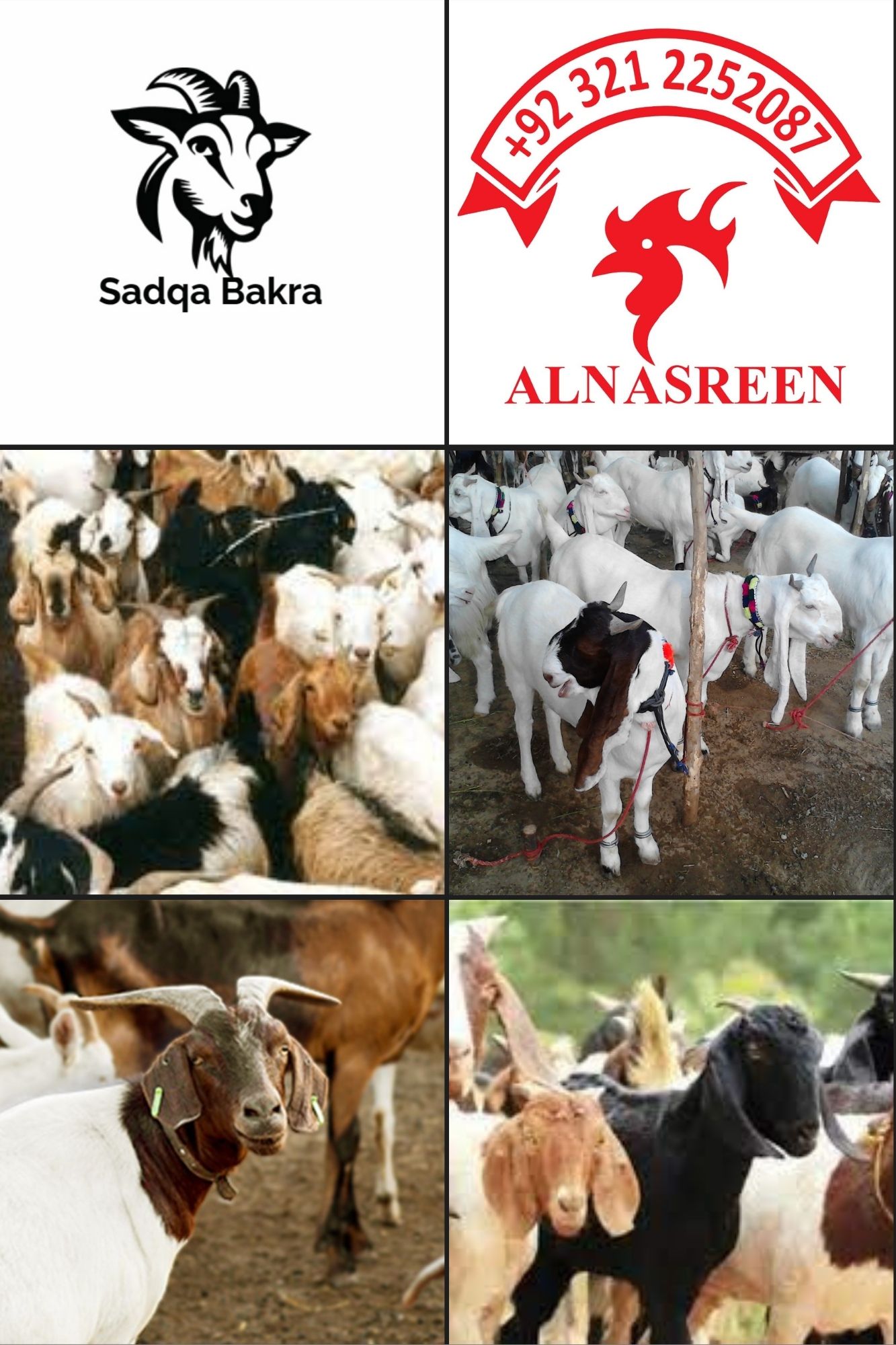
The term “Bakra” generally refers to sacrificial animals, particularly goats or sheep, used in Islamic rituals. While it can be used more broadly, it’s most commonly associated with the sacrifice performed during Eid al-Adha (the Festival of Sacrifice). This sacrifice commemorates the Prophet Ibrahim’s (Abraham) willingness to sacrifice his son, Ismail (Ishmael), as an act of obedience to Allah.
Eid al-Adha Sacrifice:
The Eid al-Adha sacrifice is a significant event in the Muslim calendar. It is performed on the 10th day of Dhul-Hijjah, the last month of the Islamic lunar calendar, and continues for three days. Muslims who are financially able are encouraged to sacrifice an animal, such as a goat, sheep, cow, or camel, as an act of worship and remembrance of Prophet Ibrahim’s devotion.
Conditions for the Eid al-Adha Sacrifice:
- Intention: The sacrifice must be performed with the intention of fulfilling the religious obligation and seeking Allah’s pleasure.
- Animal Selection: The animal must be healthy, free from any significant defects, and of a certain age. For goats and sheep, the minimum age is generally one year. For cows, it is two years, and for camels, it is five years.
- Slaughter Method: The animal must be slaughtered in a humane manner, according to Islamic guidelines (Zabiha). This involves using a sharp knife to quickly sever the jugular veins, carotid arteries, and trachea, while reciting a prayer invoking Allah’s name.
- Distribution of Meat: It is recommended to divide the meat into three portions: one for the family, one for relatives and friends, and one for the poor and needy.
Other Occasions for Sacrificing Animals (Bakra):
While Eid al-Adha is the most prominent occasion for sacrificing animals, it is also permissible to sacrifice animals for other reasons, such as:
- Aqiqa: As discussed in detail later, Aqiqa involves sacrificing an animal to celebrate the birth of a child.
- Nazr (Vow): If someone makes a vow to sacrifice an animal if a certain wish is fulfilled, they are obligated to fulfill that vow once the wish is granted.
- Offering Gratitude: Some people may choose to sacrifice an animal to express gratitude to Allah for blessings or favors received.
- Feeding the Poor: Sacrificing an animal and distributing the meat to the poor and needy is considered a meritorious act of charity.
Rules and Regulations Regarding Sacrificial Animals (Bakra):
- Animal Welfare: Islam emphasizes the importance of treating animals with kindness and respect. The animal should be handled gently and slaughtered in a manner that minimizes its suffering.
- Slaughtering Location: The slaughter should be performed in a clean and hygienic environment.
- Qualified Slaughterer: It is recommended to have the slaughter performed by a qualified Muslim who is knowledgeable about Islamic slaughtering guidelines.
- Prohibition of Cruelty: It is forbidden to torture or mutilate the animal in any way.
- Proper Disposal of Waste: The blood and other waste products should be disposed of properly to avoid contaminating the environment.
Aqiqa: Celebrating the Birth of a Child
Aqiqa is a Sunnah (recommended practice) in Islam performed to celebrate the birth of a child. It involves sacrificing an animal, typically a goat or sheep, and distributing the meat to family, friends, and the poor. The Aqiqa serves as an expression of gratitude to Allah for the gift of a child and is considered a form of Sadaqah.
Timing of Aqiqa:
The Aqiqa is ideally performed on the seventh day after the child’s birth. However, if it is not possible to do it on the seventh day, it can be performed at any time later in the child’s life. Some scholars even permit performing the Aqiqa for an adult who did not have it done for them as a child.
Number of Animals to be Sacrificed:
- For a boy: Two goats or sheep are recommended.
- For a girl: One goat or sheep is recommended.
This difference in the number of animals is based on a narration from the Prophet Muhammad (peace be upon him). While most scholars consider it recommended, some view sacrificing one animal for either a boy or a girl as sufficient.
Other Recommended Practices Associated with Aqiqa:
- Shaving the Child’s Head: On the seventh day, it is recommended to shave the child’s head and donate the equivalent weight of the hair in silver to charity.
- Giving the Child a Good Name: Choosing a meaningful and appropriate name for the child is also an important aspect of welcoming the new baby.
- Celebrating with Family and Friends: The Aqiqa is an occasion for celebrating with family and friends and sharing the joy of the new arrival.
Benefits of Performing Aqiqa:
- Expressing Gratitude to Allah: The Aqiqa is a way of expressing gratitude to Allah for the blessing of a child.
- Seeking Allah’s Blessings for the Child: It is believed that performing the Aqiqa seeks Allah’s blessings and protection for the child.
- Strengthening Family Ties: The Aqiqa brings family and friends together to celebrate the new arrival, strengthening family ties and fostering community spirit.
- Helping the Poor and Needy: Distributing the meat from the Aqiqa to the poor and needy is a meritorious act of charity.
- **Following

