

Glucantime Injection: Uses, Dosage, and Considerations in Pakistan – ALNASREEN 0321-2252087
This article provides a comprehensive overview of Glucantime injection, focusing on its uses, dosage guidelines specific to the context of Pakistan, potential side effects, contraindications, and crucial considerations for healthcare professionals and patients. The information is based on available medical literature and aims to offer a balanced perspective. Consult ALNASREEN at 0321-2252087 for specific inquiries or professional guidance related to Glucantime.
What is Glucantime?
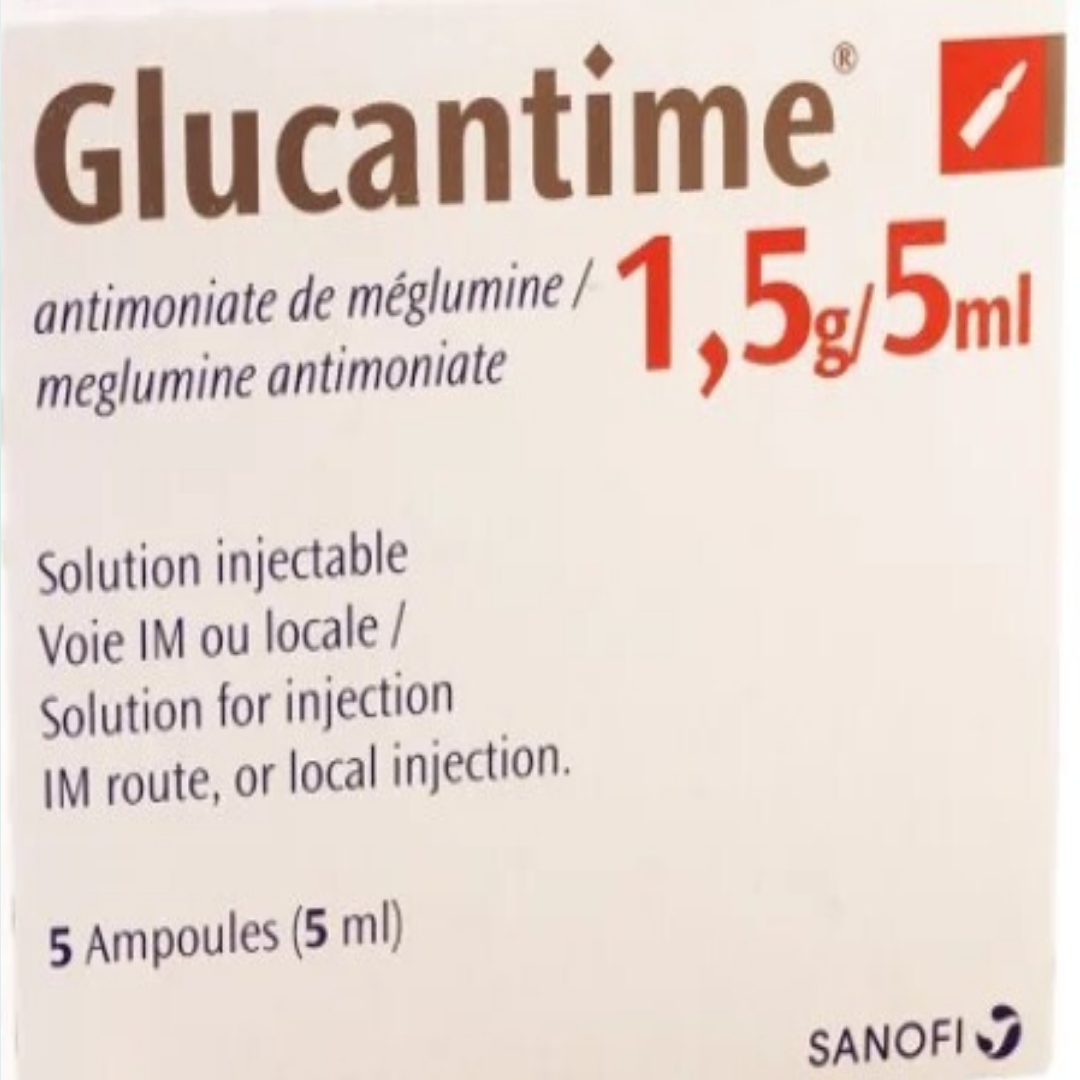
Glucantime, also known as meglumine antimoniate, is an antiprotozoal medication primarily used in the treatment of leishmaniasis. Leishmaniasis is a parasitic disease transmitted by the bite of infected sandflies. The parasite exists in two forms: promastigotes (in the sandfly) and amastigotes (in the human host). Glucantime targets the amastigote form, effectively reducing the parasitic load within the body. It belongs to a class of drugs called pentavalent antimonials. While the precise mechanism of action isn’t fully elucidated, it’s believed to interfere with the parasite’s energy metabolism and DNA/RNA synthesis.
Uses of Glucantime Injection
Glucantime is primarily indicated for the treatment of various forms of leishmaniasis, including:
-
Cutaneous Leishmaniasis (CL): This is the most common form of leishmaniasis, characterized by skin sores, typically on exposed parts of the body such as the face, arms, and legs. The sores can change in size and appearance over time, and may eventually heal spontaneously, leaving scars. Glucantime is often a first-line treatment for CL, especially when the lesions are numerous, large, or located in cosmetically sensitive areas.
-
Visceral Leishmaniasis (VL) or Kala-azar: This is a more severe form of leishmaniasis affecting internal organs such as the spleen, liver, and bone marrow. Symptoms include fever, weight loss, anemia, and enlargement of the spleen and liver. VL is potentially fatal if left untreated. Glucantime is a crucial component of VL treatment regimens, often used in combination with other medications.
-
Mucocutaneous Leishmaniasis (MCL): This form of leishmaniasis primarily affects the mucous membranes of the nose, mouth, and throat. It can cause significant disfigurement and functional impairment. MCL is often a late complication of CL and requires prolonged and intensive treatment with Glucantime or alternative therapies.
-
Post-Kala-azar Dermal Leishmaniasis (PKDL): This is a complication that can occur after successful treatment of VL, characterized by skin lesions that resemble leprosy. PKDL can act as a reservoir for the parasite and contribute to the transmission of leishmaniasis. Glucantime may be used to treat PKDL, often for a longer duration than for VL.
Dosage and Administration of Glucantime Injection in Pakistan
The dosage and administration of Glucantime injection vary depending on the type and severity of leishmaniasis, the patient’s age, weight, renal function, and overall health status. It is crucial to consult with a qualified healthcare professional for personalized dosage recommendations. The following information provides general guidelines:
-
General Dosage: The standard dosage of Glucantime is typically 20 mg of antimony per kilogram of body weight per day (20 mg Sb/kg/day). This dosage is usually administered intravenously (IV) or intramuscularly (IM).
-
Cutaneous Leishmaniasis (CL): For CL, the duration of treatment is typically 20 days. The injection is given once daily for the entire course. In some cases, local infiltration of Glucantime around the lesion may be considered in addition to systemic treatment, but this should be done under the supervision of a dermatologist or experienced healthcare provider.
-
Visceral Leishmaniasis (VL): For VL, the duration of treatment is usually longer, typically 28 days. The injection is given once daily for the entire course. Due to the potential for relapse, follow-up monitoring is essential. In Pakistan, where VL is endemic in certain regions, combination therapy with other drugs like amphotericin B or miltefosine is often considered, particularly for patients with severe disease or those who have failed previous Glucantime treatment.
-
Mucocutaneous Leishmaniasis (MCL): MCL requires prolonged treatment, often for 28 days or longer. The dosage and duration are determined by the severity of the disease and the patient’s response to treatment.
-
Post-Kala-azar Dermal Leishmaniasis (PKDL): Treatment for PKDL may also require extended durations, ranging from several weeks to months, depending on the extent of the lesions and the parasite load.
Administration Route:
-
Intravenous (IV) Administration: IV administration is generally preferred, especially for VL, as it allows for a more consistent and controlled drug delivery. The injection should be administered slowly over a period of at least 5 minutes, diluted in a suitable IV solution such as normal saline or dextrose. Close monitoring of the patient’s vital signs during and after the injection is essential.
-
Intramuscular (IM) Administration: IM injection can be used, particularly for CL, but it can be painful and may cause local reactions. The injection should be administered deep into a large muscle mass, such as the gluteus maximus, using the Z-track technique to minimize leakage and irritation.
Dosage Adjustments:
-
Renal Impairment: Glucantime is primarily excreted by the kidneys. Patients with renal impairment may require dosage adjustments to prevent drug accumulation and toxicity. Regular monitoring of renal function is crucial during treatment. A creatinine clearance test should be performed before initiating Glucantime therapy and periodically throughout the treatment course.
-
Hepatic Impairment: While Glucantime is not primarily metabolized by the liver, patients with hepatic impairment may be more susceptible to adverse effects. Caution should be exercised when administering Glucantime to patients with liver disease.
-
Children: Dosage in children is calculated based on body weight, following the same 20 mg Sb/kg/day guideline. Careful monitoring is essential, as children may be more susceptible to certain side effects.
-
Elderly: Elderly patients may have reduced renal function and may be more prone to adverse effects. Dosage adjustments and close monitoring are recommended.
Important Considerations for Glucantime Use in Pakistan:
-
Availability and Cost: Glucantime may not be readily available in all parts of Pakistan, and the cost of treatment can be a significant barrier for many patients. ALNASREEN (0321-2252087) may be able to provide information on the availability and cost of Glucantime in specific regions.
-
Access to Healthcare: Access to qualified healthcare professionals and adequate diagnostic facilities is crucial for the proper diagnosis and management of leishmaniasis. In remote areas of Pakistan, access to healthcare may be limited, posing challenges to effective treatment.
-
Co-infections: Patients with leishmaniasis may also have other co-infections, such as HIV or tuberculosis. These co-infections can complicate the treatment of leishmaniasis and require careful management.
-
Drug Resistance: While Glucantime remains an important treatment option for leishmaniasis, there is growing concern about the development of drug resistance in some regions. Monitoring for treatment failure and exploring alternative therapies are essential.
-
Pregnancy and Breastfeeding: Glucantime is generally contraindicated during pregnancy due to potential risks to the fetus. Women of childbearing potential should use effective contraception during treatment. The safety of Glucantime during breastfeeding is not well-established, and it is generally recommended to avoid breastfeeding during treatment.
Side Effects of Glucantime Injection
Glucantime can cause a range of side effects, some of which can be serious. Patients should be closely monitored for adverse reactions during treatment. Common side effects include:
-
Local Reactions: Pain, swelling, redness, and induration at the injection site are common, especially with IM administration.
-
Gastrointestinal Symptoms: Nausea, vomiting, abdominal pain, diarrhea, and loss of appetite are frequently reported.
-
Musculoskeletal Symptoms: Muscle aches, joint pain, and weakness are common.
-
Cardiovascular Effects: Electrocardiogram (ECG) changes, such as T-wave inversion and QT prolongation, can occur. In rare cases, more serious cardiovascular complications, such as arrhythmias and myocarditis, have been reported. Regular ECG monitoring is recommended during treatment, particularly for patients with pre-existing cardiac conditions.
-
Renal Effects: Glucantime can cause renal toxicity, leading to elevated creatinine levels and decreased glomerular filtration rate. Monitoring renal function is essential.
-
Hepatic Effects: Elevated liver enzymes (AST, ALT) can occur. Liver function should be monitored during treatment.
-
Hematological Effects: Anemia, leukopenia (low white blood cell count), and thrombocytopenia (low platelet count) can occur. Complete blood counts should be monitored regularly.
-
Neurological Effects: Headache, dizziness, fatigue, and peripheral neuropathy have been reported.
-
Pancreatitis: In rare cases, Glucantime can cause pancreatitis. Patients should be monitored for symptoms such as severe abdominal pain, nausea, and vomiting

