

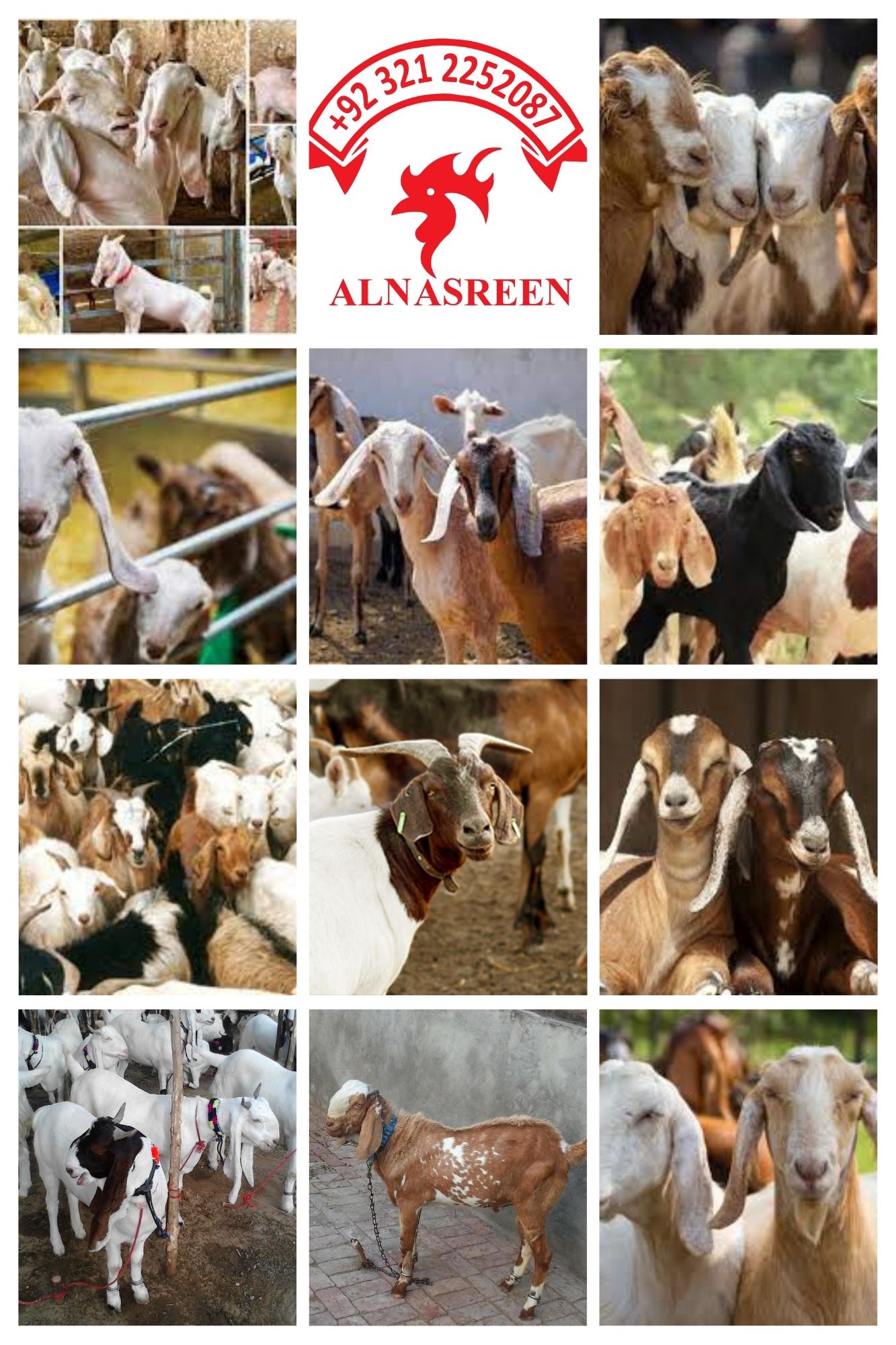
The Profound Significance of Donate Sadqa Bakra: Alleviating Poverty and Empowering Communities Through Sacrifice
The act of donating Sadqa Bakra, particularly during the Islamic festival of Eid al-Adha, holds immense significance within Muslim communities worldwide. It transcends the mere act of sacrificing an animal; it embodies a profound spiritual commitment, a tangible expression of empathy, and a powerful tool for alleviating poverty and empowering the less fortunate. Understanding the multifaceted dimensions of this practice reveals its transformative potential in fostering social justice and building stronger, more equitable communities.
I. The Religious and Historical Roots of Sadqa Bakra
The practice of Sadqa Bakra, literally translated as “sacrifice charity,” is deeply rooted in Islamic tradition and history. It commemorates the unwavering faith and obedience of Prophet Ibrahim (Abraham), who was willing to sacrifice his son, Ismail (Ishmael), in accordance with God’s command. This act of ultimate submission was miraculously averted when God replaced Ismail with a ram.
This event is immortalized in the annual celebration of Eid al-Adha, where Muslims who are financially able are encouraged to sacrifice an animal, typically a sheep, goat, cow, or camel, and distribute a portion of the meat to the poor and needy. This practice is not merely a symbolic reenactment; it is a tangible demonstration of gratitude to God for His blessings and a commitment to sharing those blessings with those less fortunate.
The Quran and Sunnah (the teachings and practices of Prophet Muhammad) emphasize the importance of charity (Zakat and Sadqa) as a fundamental pillar of Islam. Sadqa Bakra falls under the umbrella of voluntary charity, representing an opportunity to earn immense spiritual reward and contribute to the well-being of society. The emphasis on distributing the meat to the poor highlights the inherent social justice dimension of this practice, ensuring that those who lack access to adequate nutrition are provided for, especially during a time of celebration.
Historically, the practice of animal sacrifice and distribution has served as a crucial mechanism for poverty alleviation in Muslim communities. In agrarian societies, where livestock often constituted a significant portion of a family’s wealth, the act of sacrifice symbolized a willingness to part with something valuable for the sake of God and the benefit of others. This tradition has continued to evolve, adapting to modern contexts while retaining its core principles of compassion and social responsibility.
II. The Socio-Economic Impact of Sadqa Bakra on the Poor and Needy
The economic impact of Sadqa Bakra on the lives of the poor and needy is profound and multifaceted. It provides a crucial source of protein and essential nutrients, particularly for families who may not have regular access to meat. This is especially important for children, pregnant women, and the elderly, who are particularly vulnerable to malnutrition.
Beyond the immediate nutritional benefits, Sadqa Bakra can also have a ripple effect on the overall economic well-being of recipients. By providing a significant source of food, it frees up financial resources that can be used for other essential needs, such as education, healthcare, and housing. This can help to break the cycle of poverty and create opportunities for upward mobility.
In many communities, the distribution of Sadqa Bakra also provides a valuable source of income for those involved in the processing and distribution of the meat. Butchers, transporters, and community volunteers all benefit from the economic activity generated by this practice. This can help to stimulate local economies and create employment opportunities.
Furthermore, the act of receiving Sadqa Bakra can have a significant psychological impact on recipients. It can instill a sense of dignity and belonging, reminding them that they are not forgotten by their community. This can be particularly important for those who are marginalized or excluded from mainstream society. The feeling of being cared for and supported can boost morale and provide a sense of hope for the future.
III. Ethical Considerations in Sadqa Bakra: Animal Welfare and Sustainable Practices
While the practice of Sadqa Bakra offers numerous benefits to the poor and needy, it is crucial to address the ethical considerations surrounding animal welfare and sustainable practices. Ensuring that animals are treated humanely throughout the entire process, from transportation to slaughter, is paramount.
Islamic teachings emphasize the importance of treating animals with kindness and respect. This includes providing them with adequate food, water, and shelter, and minimizing their stress and suffering. Animals should be slaughtered in a swift and humane manner, using a sharp knife and minimizing any unnecessary pain.
To ensure ethical practices, it is essential to support organizations and initiatives that prioritize animal welfare. These organizations often work with local communities to provide training on humane slaughter techniques and promote responsible animal husbandry practices. They may also advocate for stricter regulations and oversight to prevent animal abuse.
In addition to animal welfare, sustainable practices are also crucial for minimizing the environmental impact of Sadqa Bakra. This includes responsible waste management, proper disposal of animal carcasses, and minimizing the carbon footprint associated with transportation and processing.
Encouraging the consumption of locally sourced meat can help to reduce transportation costs and emissions. Supporting sustainable farming practices, such as rotational grazing and organic farming, can also help to minimize the environmental impact of livestock production.
Furthermore, exploring alternative forms of Sadqa, such as donating to food banks or supporting sustainable agriculture projects, can be a viable option for those who are concerned about the ethical and environmental implications of animal sacrifice. The key is to ensure that the chosen form of Sadqa is aligned with the core principles of compassion, social justice, and environmental responsibility.
IV. Modern Approaches to Sadqa Bakra: Adapting to Contemporary Challenges
In the modern era, the practice of Sadqa Bakra has evolved to address contemporary challenges and leverage technological advancements. While the traditional method of sacrificing an animal and distributing the meat remains prevalent, new approaches have emerged to enhance efficiency, transparency, and impact.
One significant development is the rise of online platforms that facilitate the donation of Sadqa Bakra. These platforms allow individuals to donate money online, which is then used to purchase animals, slaughter them in accordance with Islamic guidelines, and distribute the meat to the poor and needy. This approach offers several advantages, including convenience, transparency, and the ability to reach beneficiaries in remote or underserved areas.
These online platforms often provide detailed information about the organization’s operations, including the number of animals sacrificed, the number of beneficiaries served, and the geographical areas covered. This transparency helps to build trust and ensure that donations are used effectively.
Another modern approach is the integration of Sadqa Bakra with sustainable development initiatives. This involves using the resources generated from Sadqa Bakra to support long-term projects that address the root causes of poverty and inequality. For example, some organizations use Sadqa Bakra donations to fund agricultural training programs, provide microloans to small businesses, or support educational initiatives.
This integrated approach recognizes that simply providing food relief is not enough to break the cycle of poverty. It requires a holistic approach that addresses the underlying economic, social, and environmental factors that contribute to poverty. By investing in sustainable development initiatives, Sadqa Bakra can have a lasting impact on the lives of the poor and needy.
Furthermore, technology is playing an increasingly important role in improving the efficiency and transparency of Sadqa Bakra operations. Mobile technology is being used to track donations, monitor distribution, and collect feedback from beneficiaries. This data can be used to improve the effectiveness of programs and ensure that resources are reaching those who need them most.
V. The Role of Organizations and NGOs in Facilitating Sadqa Bakra
Organizations and NGOs play a crucial role in facilitating the efficient and ethical distribution of Sadqa Bakra. They act as intermediaries between donors and beneficiaries, ensuring that donations are used effectively and that the meat reaches those who need it most.
These organizations often have extensive experience in working with local communities and understanding their specific needs. They are able to identify the most vulnerable individuals and families and ensure that they receive priority in the distribution process. They also work to ensure that the meat is distributed fairly and equitably, without discrimination.
In addition to distribution, organizations and NGOs also play a vital role in educating the public about the importance of Sadqa Bakra and promoting ethical practices. They often conduct awareness campaigns to raise awareness about animal welfare and sustainable practices. They also provide training to butchers and community volunteers on humane slaughter techniques and responsible waste management.
When choosing an organization to donate to, it is important to consider their track record, transparency, and commitment to ethical practices. Look for organizations that are registered charities, have a clear mission statement, and provide detailed information about their operations. It is also important to check their financial statements to ensure that donations are being used effectively.
Furthermore, it is beneficial to support organizations that work in partnership with local communities and empower them to participate in the distribution process. This ensures that the program is culturally appropriate and that the needs of the community are being met.
VI. Maximizing the Impact of Your Sadqa Bakra Donation
To maximize the impact of your Sadqa Bakra donation, consider the following tips:
- Donate to reputable organizations: Choose organizations with a proven track record of effectively distributing Sadqa Bakra to those in need. Research their mission, financial transparency, and community involvement.
- Consider donating early: Donating early allows organizations to plan their operations effectively and ensure that they can reach as many beneficiaries as possible.
- Specify your preferences: Some organizations allow you to specify your preferences, such as the type of animal you want to donate or the region where you want your donation to be used.
- Explore alternative forms of Sadqa: If you are concerned about the ethical or environmental implications of animal sacrifice, consider donating to food banks or supporting sustainable agriculture projects.
- Spread awareness: Encourage others to donate to Sadqa Bakra and support organizations that are working to alleviate poverty and empower communities.
- Volunteer your time: Consider volunteering your time to help with the distribution of Sadqa Bakra or other

