

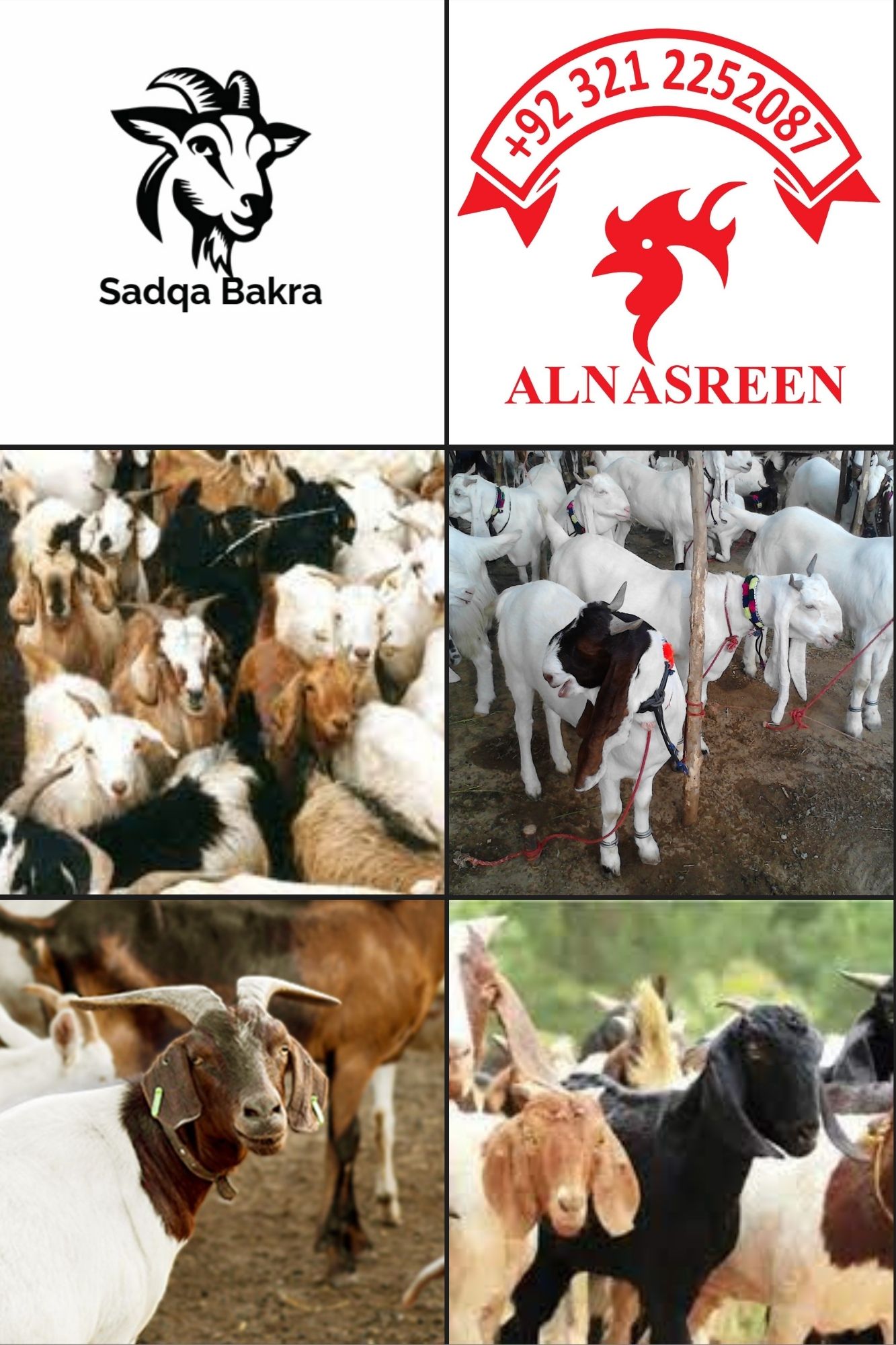
Donate For Sadqa Bakra At The Best Price In Pakistan: A Comprehensive Guide
Sadqa Bakra, a sacrificial offering, is a deeply rooted tradition in Islam, performed as an act of charity and seeking blessings. In Pakistan, this practice is widely observed, especially during Eid al-Adha and throughout the year for various personal reasons, such as seeking healing, warding off misfortune, or expressing gratitude. Choosing to donate a Sadqa Bakra allows you to fulfill this religious obligation while ensuring your contribution reaches those in need. However, navigating the market to find the best price and a reliable organization can be challenging. This guide provides a comprehensive overview of factors to consider when donating for Sadqa Bakra in Pakistan, focusing on pricing, quality, ethical considerations, and reputable organizations.
Understanding Sadqa Bakra and its Significance
Before delving into the specifics of price and sourcing, it’s crucial to understand the significance of Sadqa Bakra. The act of sacrifice symbolizes Prophet Ibrahim’s (Abraham) willingness to sacrifice his son, Ismail (Ishmael), as an act of obedience to God. This act of submission and devotion is commemorated by Muslims worldwide through the sacrifice of animals like goats (Bakra), sheep, cows, or camels.
The meat from the sacrificed animal is traditionally divided into three portions: one for the family, one for relatives and friends, and one for the poor and needy. This distribution emphasizes the charitable aspect of Sadqa Bakra, ensuring that those less fortunate also benefit from the blessings of this tradition.
Factors Influencing the Price of Sadqa Bakra in Pakistan
The price of a Sadqa Bakra in Pakistan can vary significantly depending on several factors:
-
Type of Animal: Goats (Bakra) are generally the most common and affordable option for Sadqa. Sheep are typically priced higher than goats, while cows and camels are considerably more expensive and usually reserved for Qurbani (Eid al-Adha sacrifice) due to their larger size and cost.
-
Size and Weight: The weight of the animal is a primary determinant of its price. Larger and heavier animals naturally command a higher price due to the greater quantity of meat they yield. Reputable organizations often specify the approximate weight range of the animals they offer for Sadqa.
-
Breed and Quality: The breed of the animal also plays a role in pricing. Certain breeds are known for their superior meat quality and are therefore priced accordingly. Factors like the animal’s health, age, and overall physical condition also contribute to its value.
-
Market Conditions: The prevailing market conditions, including supply and demand, seasonal fluctuations, and economic factors, can significantly impact the price of Sadqa Bakra. During peak seasons like Eid al-Adha, prices tend to rise due to increased demand.
-
Geographical Location: Prices can vary across different regions of Pakistan due to variations in animal availability, transportation costs, and local market dynamics.
-
Organization’s Overhead and Services: Different organizations have varying operational costs, overhead expenses, and service offerings. Some organizations may offer additional services like slaughtering, processing, and distribution of the meat, which can affect the overall price.
-
Transparency and Ethical Practices: Organizations that prioritize transparency and ethical practices may have slightly higher prices due to their commitment to fair sourcing, humane treatment of animals, and responsible distribution of the meat.
Finding the Best Price Without Compromising Quality and Ethics
While finding the best price is important, it’s crucial to prioritize quality and ethical considerations when donating for Sadqa Bakra. Here are some tips to help you strike a balance:
-
Research Different Organizations: Compare the prices and services offered by various reputable organizations in Pakistan. Look for organizations with a proven track record of transparency, accountability, and ethical practices.
-
Inquire About the Animal’s Origin and Health: Ask the organization about the source of the animals and the measures they take to ensure their health and well-being. Reputable organizations should be able to provide information about the animals’ breed, age, and health status.
-
Understand the Distribution Process: Inquire about how the organization distributes the meat to the needy. Ensure that the meat reaches deserving recipients in a timely and efficient manner.
-
Look for Transparency and Accountability: Choose organizations that are transparent about their operations, finances, and distribution processes. Look for organizations that publish regular reports and are audited by independent bodies.
-
Consider the Overall Value Proposition: Don’t solely focus on the lowest price. Consider the overall value proposition, including the quality of the animal, the organization’s reputation, the distribution process, and the impact of your donation.
-
Avoid Exploitative Practices: Be wary of extremely low prices that may indicate exploitative practices, such as unfair treatment of farmers or compromised animal welfare.
Reputable Organizations Offering Sadqa Bakra Services in Pakistan
Several reputable organizations in Pakistan offer Sadqa Bakra services, ensuring that your donation reaches those in need while upholding ethical standards. Here are a few examples:
-
Edhi Foundation: The Edhi Foundation is one of Pakistan’s largest and most trusted charitable organizations. They offer Sadqa Bakra services with a focus on transparency and efficient distribution to the poor and needy.
-
Saylani Welfare International Trust: Saylani Welfare is another well-known organization that provides Sadqa Bakra services. They have a vast network and ensure that the meat reaches deserving recipients across the country.
-
Alkhidmat Foundation Pakistan: Alkhidmat Foundation is a reputable organization that focuses on various humanitarian and development projects, including Sadqa Bakra. They prioritize ethical sourcing and efficient distribution.
-
The Citizens Foundation (TCF): While primarily focused on education, TCF also organizes Sadqa Bakra programs to support underprivileged communities.
-
Akhuwat: Akhuwat is a microfinance organization that also facilitates Sadqa Bakra donations to support its beneficiaries.
-
Shaukat Khanum Memorial Cancer Hospital and Research Centre: This organization accepts Sadqa Bakra donations, using the proceeds to support cancer patients and their families.
When choosing an organization, conduct thorough research, read reviews, and assess their transparency and accountability before making your donation.
Ethical Considerations in Sadqa Bakra
Beyond price and quality, ethical considerations are paramount when donating for Sadqa Bakra. These include:
-
Animal Welfare: Ensure that the animals are treated humanely throughout the process, from sourcing to slaughtering. Organizations should adhere to ethical animal handling practices and minimize stress and suffering.
-
Fair Sourcing: Support organizations that source animals from local farmers at fair prices, ensuring that they receive a reasonable income for their livestock.
-
Hygienic Slaughtering Practices: The slaughtering process should be conducted in a hygienic and sanitary environment, adhering to Islamic principles and food safety standards.
-
Responsible Distribution: The meat should be distributed to deserving recipients in a timely and efficient manner, ensuring that it reaches those who truly need it.
-
Transparency and Accountability: Organizations should be transparent about their operations, finances, and distribution processes, allowing donors to track the impact of their donations.
The Process of Donating for Sadqa Bakra
The process of donating for Sadqa Bakra typically involves the following steps:
-
Choose a Reputable Organization: Research and select a reputable organization that aligns with your values and priorities.
-
Select the Type of Animal and Weight Range: Choose the type of animal (goat, sheep, etc.) and the desired weight range.
-
Make the Payment: Make the payment through the organization’s designated channels, which may include online payment, bank transfer, or cash donation.
-
Receive Confirmation: Receive confirmation of your donation from the organization.
-
The Organization Procures and Sacrifices the Animal: The organization procures the animal, performs the sacrifice according to Islamic principles, and processes the meat.
-
Distribution to the Needy: The organization distributes the meat to the poor and needy in a timely and efficient manner.
-
Receive Feedback (Optional): Some organizations provide feedback to donors about the distribution of the meat and the impact of their donation.
Alternatives to Donating a Whole Animal
While donating a whole animal is the traditional practice, some individuals may prefer alternatives due to budget constraints or other reasons. Some organizations offer options such as:
-
Donating a Share in a Larger Animal (Cow or Camel): Instead of donating a whole cow or camel, you can donate a share in one, which is a more affordable option.
-
Donating the Equivalent Value in Cash: Some organizations allow you to donate the equivalent value of the animal in cash, which they will then use to purchase and distribute food to the needy.
-
Donating to Other Charitable Causes: While not directly related to Sadqa Bakra, donating to other charitable causes that support the poor and needy can also be a meaningful way to express your compassion and fulfill your religious obligations.
The Importance of Due Diligence
When donating for Sadqa Bakra, it is crucial to exercise due diligence to ensure that your donation is used effectively and ethically. This involves:
-
Researching the Organization’s Reputation: Check the organization’s website, read reviews, and look for independent assessments of their work.
-
Verifying the Organization’s Registration and Compliance: Ensure that the organization is properly registered with the relevant authorities and complies with all applicable laws and regulations.
-
Reviewing the Organization’s Financial Statements: Examine the organization’s financial statements to assess their financial health and transparency.
-
**Contacting the

