

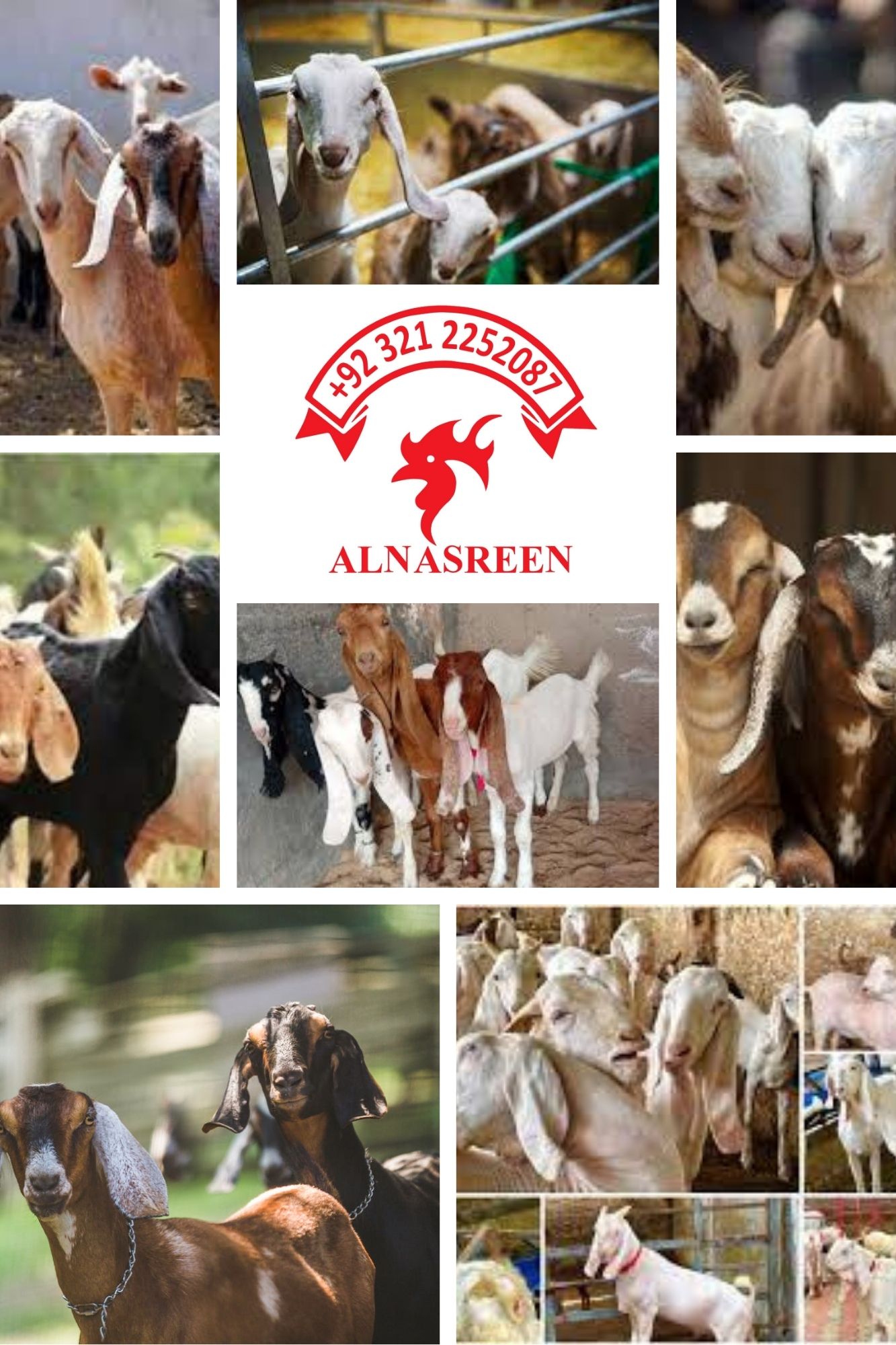
Donate A Goat Netherlands: Bridging Tradition and Technology for Online Sadqa and Charity
The Netherlands, a nation renowned for its progressive policies, technological innovation, and diverse cultural tapestry, is also home to a growing Muslim population eager to observe religious traditions and fulfill charitable obligations. Within this context, Donate A Goat Netherlands has emerged as a significant online platform, facilitating the performance of Sadqa and other charitable acts through the symbolic donation of goats. This article delves into the intricacies of this service, exploring its operational model, religious underpinnings, socio-economic impact, technological infrastructure, cultural relevance, and ethical considerations.
Understanding Sadqa and its Significance in Islam
Sadqa, derived from the Arabic word meaning “righteousness” or “sincerity,” is a voluntary act of charity in Islam. It encompasses a wide range of good deeds, from monetary donations to acts of kindness, all performed with the intention of pleasing Allah and benefiting others. Unlike Zakat, which is obligatory for Muslims who meet certain wealth criteria, Sadqa is entirely voluntary and can be given at any time and in any amount.
The Quran and Hadith (sayings and actions of Prophet Muhammad, peace be upon him) repeatedly emphasize the importance of Sadqa. It is considered a means of purifying one’s wealth, seeking forgiveness for sins, and earning blessings in this life and the hereafter. Sadqa is also viewed as a vital mechanism for social justice, helping to alleviate poverty, support the needy, and promote community well-being.
The practice of donating animals, particularly goats, as Sadqa has historical roots in Islamic tradition. During the time of Prophet Muhammad (peace be upon him), sacrificing animals and distributing the meat to the poor was a common form of charity. This practice continues to be observed by many Muslims around the world, especially during occasions like Eid al-Adha (Festival of Sacrifice) and Aqiqah (celebration of a child’s birth).
Donate A Goat Netherlands: The Operational Model
Donate A Goat Netherlands operates as an intermediary between donors in the Netherlands and communities in need, primarily located in developing countries. The platform facilitates the donation process by providing a user-friendly online interface where individuals can select and “donate” a goat. The actual process involves the organization procuring goats in the designated region, typically through local farmers and suppliers, and then either slaughtering the animal and distributing the meat to impoverished families or providing the goat to a family to raise for milk, breeding, and sustenance.
The organization’s operational model generally involves the following steps:
-
Online Donation: Donors visit the Donate A Goat Netherlands website and select the option to donate a goat. They are typically presented with various goat options, potentially differing in size, breed, or intended purpose (e.g., meat distribution, milk production). The donor then completes the online payment process, which usually involves secure payment gateways such as iDEAL (a popular Dutch online payment system), credit cards, or PayPal.
-
Goat Procurement: Once the donation is received, Donate A Goat Netherlands, through its partner organizations or local representatives in the target country, procures a goat that meets pre-defined quality standards. This process often involves working with local farmers, providing them with a fair price for their livestock and supporting their livelihoods.
-
Slaughter and Distribution (or Goat Ownership): Depending on the donor’s intention and the specific program, the goat is either slaughtered according to Islamic rites (Halal) and the meat is distributed to impoverished families or individuals, or the goat is given to a family in need. In the latter case, the family is responsible for raising the goat and benefiting from its milk, offspring, and eventual sale.
-
Transparency and Reporting: Donate A Goat Netherlands typically provides donors with feedback and updates on the impact of their donation. This may include photographs or videos of the distributed meat or the families who received the goats. The organization also strives to maintain transparency by publishing financial reports and detailing its operational processes.
Technological Infrastructure and User Experience
The success of Donate A Goat Netherlands hinges on its robust technological infrastructure and user-friendly online platform. The website serves as the primary point of interaction between donors and the organization, and it must be reliable, secure, and easy to navigate.
Key technological components include:
-
Secure Website: The website must be protected with SSL encryption to ensure the security of sensitive data, such as payment information and personal details.
-
User-Friendly Interface: The website should have a clean and intuitive design, making it easy for donors to find information, select goat options, and complete the donation process.
-
Secure Payment Gateway Integration: The platform must integrate with secure payment gateways like iDEAL, credit card processors, and PayPal to facilitate online transactions.
-
Database Management: A robust database is needed to manage donor information, track donations, and monitor the impact of the program.
-
Content Management System (CMS): A CMS like WordPress or Drupal allows the organization to easily update website content, add new features, and manage its online presence.
-
Mobile Responsiveness: The website should be responsive and adapt to different screen sizes, ensuring a seamless user experience on mobile devices.
-
Multilingual Support (Optional): Depending on the target audience, the website may offer multilingual support to cater to donors who speak languages other than Dutch.
Religious Justification and Scholarly Perspectives
The act of donating a goat as Sadqa is supported by Islamic teachings and scholarly interpretations. While there is no explicit verse in the Quran mandating the donation of goats specifically, the general principles of charity, compassion, and helping the needy are strongly emphasized.
Scholars often cite the practice of animal sacrifice during Eid al-Adha as a precedent for donating animals as Sadqa. This sacrifice commemorates the willingness of Prophet Ibrahim (Abraham) to sacrifice his son Ismail (Ishmael) as an act of obedience to Allah. The meat from the sacrificed animal is typically distributed to the poor and needy.
Furthermore, the Hadith contains numerous accounts of Prophet Muhammad (peace be upon him) encouraging Muslims to give Sadqa in various forms, including food, clothing, and other necessities. The donation of a goat, which provides both meat and potential for future sustenance, aligns with the spirit of these teachings.
However, it is important to note that there are varying scholarly opinions on the specific requirements and conditions for donating animals as Sadqa. Some scholars may emphasize the importance of ensuring that the animal is healthy and free from defects, while others may focus on the intention and sincerity of the donor.
Socio-Economic Impact on Recipient Communities
Donate A Goat Netherlands aims to have a positive socio-economic impact on the recipient communities in developing countries. The provision of goats can contribute to:
-
Food Security: The meat from the slaughtered goats provides a valuable source of protein and nutrition for families struggling with food insecurity.
-
Income Generation: When a goat is given to a family to raise, it can provide a sustainable source of income through the sale of milk, offspring, and eventually the animal itself.
-
Empowerment of Women: In many developing countries, women play a significant role in livestock management. Providing goats to women can empower them economically and socially.
-
Improved Nutrition for Children: Goat milk is a nutritious food source that can improve the health and well-being of children.
-
Poverty Alleviation: By providing families with a means to generate income and improve their food security, the program contributes to poverty alleviation.
-
Support for Local Farmers: The organization’s procurement of goats from local farmers provides them with a fair price for their livestock and supports their livelihoods.
Ethical Considerations and Transparency
Operating a charity like Donate A Goat Netherlands involves significant ethical responsibilities. The organization must ensure that its operations are transparent, accountable, and aligned with Islamic principles.
Key ethical considerations include:
-
Transparency: The organization should be transparent about its operational model, financial practices, and the impact of its programs. Donors should have access to information about how their donations are being used and the results they are achieving.
-
Accountability: The organization should be accountable to its donors, its beneficiaries, and the wider community. It should have systems in place to ensure that donations are used effectively and that the program is achieving its intended outcomes.
-
Fair Treatment of Animals: The organization must ensure that the goats are treated humanely throughout the process, from procurement to slaughter. The slaughter must be performed according to Islamic rites (Halal) and with minimal suffering to the animal.
-
Respect for Local Culture: The organization should be sensitive to the cultural norms and traditions of the communities in which it operates. It should consult with local leaders and community members to ensure that its programs are appropriate and effective.
-
Avoidance of Exploitation: The organization must avoid exploiting the recipient communities or taking advantage of their vulnerability. It should ensure that its programs are designed to empower communities and promote sustainable development.
-
Compliance with Regulations: The organization must comply with all relevant laws and regulations in the Netherlands and in the countries where it operates.
Cultural Relevance in the Dutch Context
Donate A Goat Netherlands caters to the specific needs and preferences of the Muslim community in the Netherlands. The platform provides a convenient and accessible way for Dutch Muslims to fulfill their religious obligations and contribute to charitable causes.
The organization’s cultural relevance stems from several factors:
-
Convenience: The online platform makes it easy for busy individuals to donate to charity from the comfort of their own homes.
-
Trust and Transparency: The organization strives to build trust with its donors by being transparent about its operations and providing regular updates on the impact of its programs.
-
Cultural Sensitivity: The

