

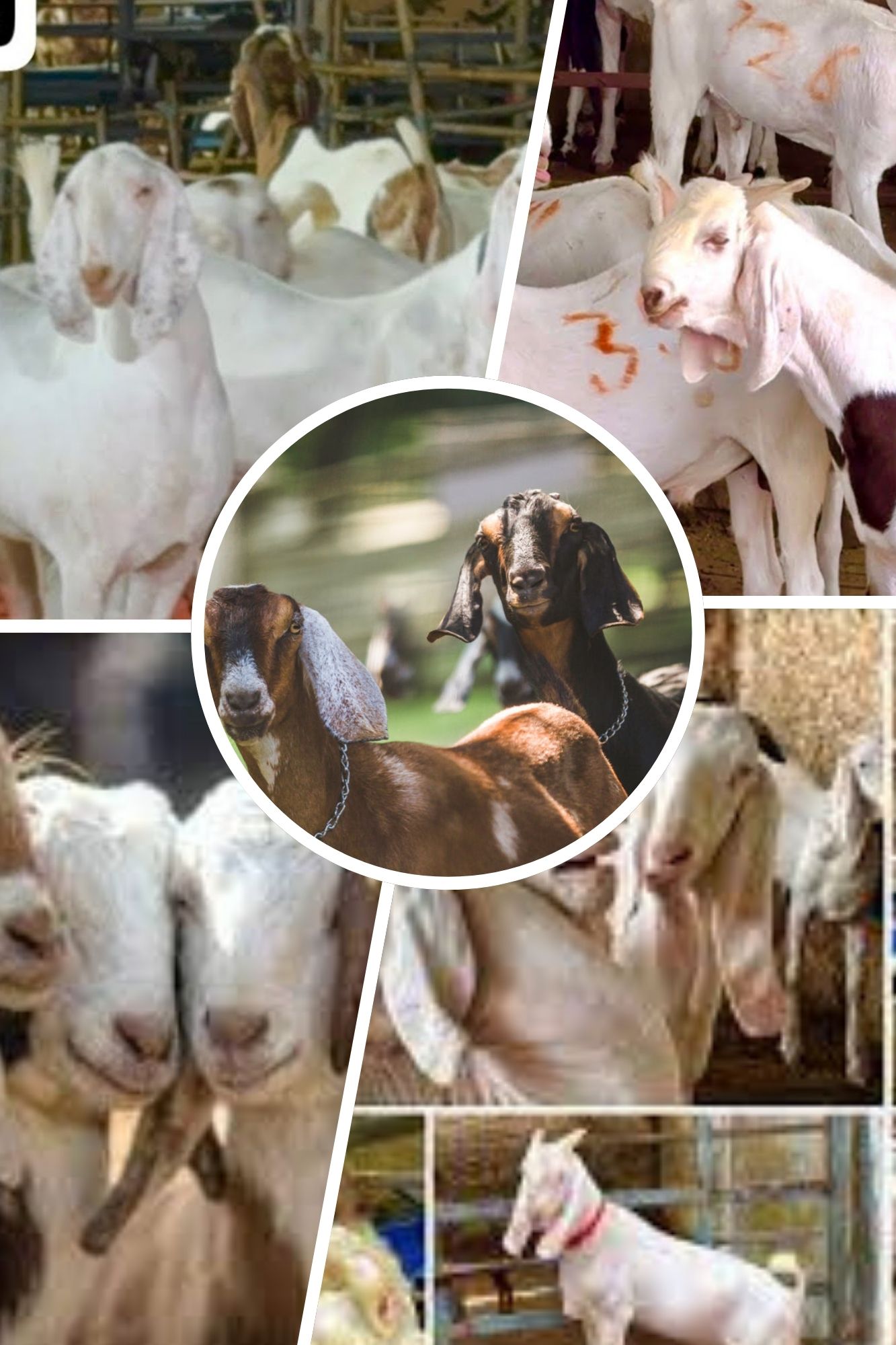
Donate A Goat For Orphans And Widows: Empowering Lives Through Sustainable Livelihoods
Goats, often underestimated, are transformative assets for vulnerable communities, particularly orphans and widows. The simple act of donating a goat can initiate a cascade of positive changes, fostering self-sufficiency, improving nutrition, and providing economic stability in regions where these are desperately needed. This article delves into the multifaceted benefits of goat donation programs, exploring their impact on orphans and widows, the practical aspects of implementation, and the long-term sustainability considerations that ensure lasting positive outcomes.
The Profound Impact on Orphans:
Orphans, already facing immense challenges, often lack the basic necessities for survival and development. Goat donation programs can provide a crucial lifeline, addressing several key needs:
-
Nutritional Security: Goat milk is a rich source of protein, calcium, and essential vitamins, vital for the healthy growth and development of children. Regular consumption of goat milk can combat malnutrition, improve cognitive function, and strengthen immune systems, making orphans more resilient to disease. In many cultures, goat milk is readily accepted and easily digestible, even for infants.
-
Economic Empowerment: A female goat, or doe, can reproduce multiple times throughout its life, providing a sustainable source of income. Orphaned children, often cared for by relatives or community members, can sell the offspring of the goat to generate income for school fees, clothing, medical expenses, and other essential needs. This income stream reduces the burden on caregivers and empowers orphans to contribute to their own well-being.
-
Ownership and Responsibility: Caring for a goat instills a sense of responsibility and ownership in orphaned children. They learn valuable life skills such as animal husbandry, feeding, cleaning, and disease prevention. This responsibility fosters self-esteem, builds confidence, and provides a sense of purpose, counteracting the feelings of helplessness and vulnerability that often accompany orphanhood.
-
Social Integration: In many communities, livestock ownership is a sign of social status and economic stability. Owning a goat can help orphaned children integrate more easily into their communities, reducing stigma and promoting a sense of belonging. It can also provide opportunities for social interaction and collaboration with other goat owners.
-
Educational Opportunities: The income generated from goat sales can be directly used to fund educational expenses, enabling orphans to attend school and receive the education they deserve. Education is a critical pathway out of poverty, providing orphans with the skills and knowledge they need to secure a brighter future.
Empowering Widows Through Goat Ownership:
Widows in many developing countries face significant economic and social challenges. They are often left without resources, facing discrimination and social isolation. Goat donation programs can provide a powerful tool for empowering widows and enabling them to rebuild their lives:
-
Income Generation: Goats provide a reliable source of income for widows, allowing them to support themselves and their families. They can sell goat milk, goat meat, and goat offspring to generate revenue. This income can be used to purchase food, clothing, shelter, and other essential items.
-
Financial Independence: Goat ownership reduces widows’ dependence on charity and empowers them to become financially independent. This independence restores their dignity and allows them to make their own decisions about their lives.
-
Improved Nutrition: Goat milk provides a vital source of nutrition for widows and their families, improving their health and well-being. This is particularly important for widows who may be struggling with malnutrition or other health problems.
-
Social Status and Respect: In many cultures, livestock ownership is a symbol of wealth and status. Owning goats can enhance a widow’s social standing within her community, increasing her respect and influence.
-
Skills Development: Caring for goats provides widows with valuable skills in animal husbandry, business management, and financial planning. These skills can be transferable to other areas of their lives, further enhancing their economic opportunities.
-
Community Networks: Goat donation programs often involve training and support groups for beneficiaries. These groups provide widows with opportunities to connect with other women, share experiences, and learn from each other. These networks can provide valuable social support and help widows overcome isolation and loneliness.
The Practical Aspects of Goat Donation Programs:
Successful goat donation programs require careful planning and implementation. Key considerations include:
-
Needs Assessment: Before launching a program, it’s crucial to conduct a thorough needs assessment to identify the specific needs and challenges of the target communities. This assessment should involve consultations with local leaders, community members, and relevant organizations.
-
Goat Selection: Choosing the right breed of goat is essential for maximizing productivity and profitability. Factors to consider include climate adaptability, disease resistance, milk production, and meat quality. Local breeds are often well-suited to the environment and resistant to local diseases.
-
Procurement: Goats should be sourced from reputable breeders who adhere to ethical and humane practices. It’s important to ensure that the goats are healthy and free from disease before they are distributed to beneficiaries.
-
Training and Education: Beneficiaries should receive comprehensive training on goat care, including feeding, watering, housing, disease prevention, and basic veterinary practices. This training should be tailored to the specific needs of the target community and should be delivered in a culturally sensitive manner.
-
Veterinary Support: Access to veterinary care is essential for maintaining the health and productivity of the goats. Programs should establish partnerships with local veterinarians or provide training to community members to serve as animal health workers.
-
Monitoring and Evaluation: Regular monitoring and evaluation are crucial for tracking the progress of the program and identifying areas for improvement. This should involve collecting data on goat health, milk production, income generation, and the overall impact on beneficiaries’ lives.
-
Community Involvement: Engaging the community in the planning and implementation of the program is essential for ensuring its sustainability. This can involve establishing community committees to oversee the program, providing opportunities for community members to participate in training and education, and involving local leaders in decision-making.
-
Financial Management: Programs should have robust financial management systems in place to ensure transparency and accountability. This includes tracking all income and expenses, providing regular financial reports, and conducting audits.
Sustainability Considerations for Long-Term Impact:
To ensure the long-term sustainability of goat donation programs, it’s crucial to address several key considerations:
-
Breeding Programs: Establishing breeding programs can help to improve the genetic quality of the goat population and ensure a sustainable supply of goats for future generations. This can involve providing access to improved breeds, training farmers in artificial insemination techniques, and establishing community breeding centers.
-
Pasture Management: Sustainable pasture management practices are essential for ensuring that goats have access to adequate grazing land. This can involve implementing rotational grazing systems, planting drought-resistant grasses, and providing training to farmers on sustainable land management techniques.
-
Water Management: Access to clean water is essential for goat health and productivity. Programs should invest in water harvesting and storage technologies, such as rainwater harvesting systems and wells.
-
Disease Prevention: Implementing effective disease prevention strategies is crucial for protecting goats from disease outbreaks. This can involve providing regular vaccinations, deworming goats, and training farmers on biosecurity measures.
-
Market Access: Facilitating access to markets is essential for ensuring that beneficiaries can sell their goat products at fair prices. This can involve establishing marketing cooperatives, providing training on marketing and sales techniques, and connecting beneficiaries with potential buyers.
-
Microfinance: Providing access to microfinance loans can enable beneficiaries to expand their goat enterprises and invest in other income-generating activities. This can involve establishing partnerships with local microfinance institutions or providing direct loans to beneficiaries.
-
Environmental Considerations: Goat farming can have both positive and negative impacts on the environment. Programs should promote sustainable farming practices that minimize environmental damage, such as preventing overgrazing, promoting soil conservation, and managing manure effectively.
-
Exit Strategy: A well-defined exit strategy is essential for ensuring that the program is sustainable in the long term. This should involve gradually transferring ownership of the program to the community, building local capacity to manage the program, and ensuring that beneficiaries have the resources and skills they need to continue their goat enterprises independently.
Addressing Potential Challenges:
While goat donation programs offer significant benefits, it’s important to acknowledge and address potential challenges:
-
Disease Outbreaks: Goat diseases can decimate goat populations and undermine the success of donation programs. Implementing effective disease prevention and control measures is crucial.
-
Theft: Goat theft can be a problem in some areas. Implementing security measures, such as night shelters and community watch programs, can help to protect goats from theft.
-
Overgrazing: Uncontrolled grazing can lead to land degradation and reduced productivity. Promoting sustainable grazing practices is essential.
-
Market Fluctuations: Fluctuations in market prices can affect the profitability of goat farming. Providing training on business management and marketing can help beneficiaries to mitigate these risks.
-
Social Conflicts: In some communities, goat ownership can lead to social conflicts, particularly over grazing rights. Establishing clear rules and regulations regarding grazing and resolving conflicts peacefully is essential.
Examples of Successful Goat Donation Programs:
Numerous organizations around the world have successfully implemented goat donation programs. Some notable examples include:
-
Heifer International: Heifer International is a global non-profit organization that works to end hunger and poverty by providing livestock and training to families in need. Their goat donation programs have helped millions of families around the world to improve their livelihoods.
-
World Vision: World Vision is a Christian humanitarian organization that works to improve the lives of children and families in developing countries. Their goat donation programs are an integral part of their community development efforts.
-
Oxfam: Oxfam is an international confederation of organizations working to end poverty and injustice.

