

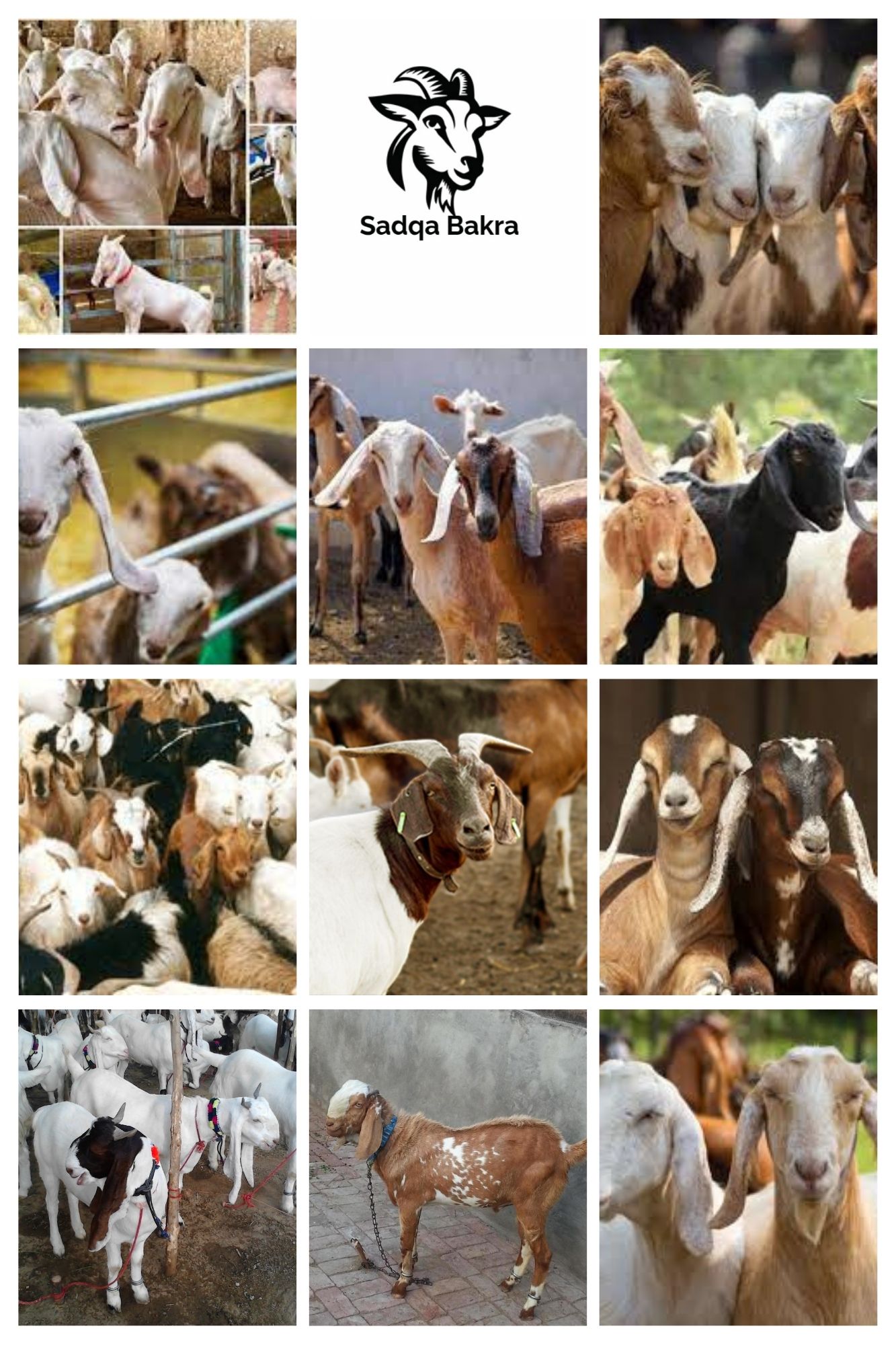
Aqiqa Bakra Jauhar Block 9 Karachi – ALNASREEN 0321-2252087: A Comprehensive Guide
Understanding Aqiqa: Significance, Rituals, and Islamic Perspectives
Aqiqa, an Islamic tradition, is the sacrifice of an animal, typically a sheep or goat, to celebrate the birth of a child. It is a Sunnah act, meaning it is a practice encouraged by the Prophet Muhammad (peace be upon him). The Aqiqa serves as an expression of gratitude to Allah (God) for the blessing of a newborn, a means of seeking protection for the child, and a way to share joy and sustenance with the community.
The Islamic jurisprudence surrounding Aqiqa is based on various Hadith (sayings and actions of the Prophet Muhammad). Some scholars consider it obligatory (wajib), while others view it as highly recommended (sunnah mu’akkadah). Regardless of the specific legal classification, the significance of Aqiqa in Islamic tradition is undeniable.
The key rituals involved in Aqiqa include:
- Slaughtering the Animal: The animal must be healthy and free from any major defects. The slaughtering should be performed according to Islamic guidelines (Zabiha), ensuring minimal suffering for the animal. The person performing the slaughter should be a Muslim who understands the proper procedures.
- Distribution of the Meat: The meat is typically divided into three portions: one for the family, one for relatives and friends, and one for the poor and needy. Giving to charity is a central aspect of the Aqiqa, reflecting the values of generosity and social responsibility in Islam.
- Shaving the Child’s Head: Traditionally, the child’s head is shaved shortly after birth, often on the seventh day. The weight of the hair is then calculated, and an equivalent amount of silver is given to charity. This act symbolizes purification and detachment from worldly possessions.
- Naming the Child: While not exclusively tied to the Aqiqa, the naming ceremony often coincides with the celebration. Choosing a meaningful and appropriate name is considered important in Islamic tradition.
The wisdom behind Aqiqa lies in its multifaceted benefits. It provides an opportunity for families to express their gratitude to Allah, strengthen community bonds, and support those in need. It also serves as a reminder of the blessings of children and the responsibilities that come with parenthood.
ALNASREEN: Aqiqa Services in Jauhar Block 9, Karachi – 0321-2252087
ALNASREEN, operating in Jauhar Block 9, Karachi, provides Aqiqa services to families seeking to fulfill this important Islamic tradition. Understanding the intricacies and sensitivities involved in Aqiqa, ALNASREEN aims to offer a convenient and reliable solution for families in the area. Their services typically encompass the sourcing, slaughtering, and distribution of the Aqiqa animal, adhering to Islamic guidelines.
Key Aspects of ALNASREEN‘s Aqiqa Services:
- Animal Selection: ALNASREEN sources healthy and suitable animals (primarily goats – Bakra) that meet the requirements for Aqiqa sacrifice. They may offer different breeds and sizes to accommodate varying budgets and preferences. Transparency in the selection process is crucial, allowing customers to inspect the animal before the slaughter.
- Islamic Slaughtering (Zabiha): The slaughtering is performed by trained individuals who are knowledgeable in Islamic Zabiha procedures. This ensures that the animal is slaughtered in a humane and religiously compliant manner.
- Meat Processing and Distribution: ALNASREEN typically handles the processing of the meat, dividing it according to the customer’s specifications. They may also assist with the distribution of the meat to relatives, friends, and the poor, simplifying the logistical aspects of the Aqiqa.
- Hygiene and Cleanliness: Maintaining strict hygiene standards is paramount in handling meat. ALNASREEN should adhere to proper sanitation practices throughout the process, from animal selection to meat distribution, to ensure the safety and quality of the meat.
- Transparency and Customer Service: Clear communication and transparency are essential for building trust with customers. ALNASREEN should provide detailed information about their services, pricing, and procedures. They should also be responsive to customer inquiries and address any concerns promptly.
Choosing ALNASREEN for Aqiqa: Factors to Consider
When selecting ALNASREEN or any Aqiqa service provider, several factors should be taken into consideration:
- Reputation and Reliability: Research the provider’s reputation by seeking recommendations from friends, family, or community members. Online reviews and testimonials can also provide valuable insights.
- Adherence to Islamic Guidelines: Ensure that the provider strictly adheres to Islamic Zabiha procedures and other relevant guidelines related to Aqiqa. This is a fundamental requirement for the validity of the Aqiqa.
- Animal Health and Quality: Inquire about the source of the animals and the measures taken to ensure their health and quality. A healthy animal is a prerequisite for a valid Aqiqa sacrifice.
- Hygiene and Sanitation: Assess the provider’s hygiene practices and sanitation standards. Proper handling of meat is crucial to prevent contamination and ensure food safety.
- Pricing and Transparency: Obtain a clear and detailed breakdown of the pricing structure. Ensure that there are no hidden fees or charges. Transparency in pricing is essential for building trust.
- Customer Service and Communication: Evaluate the provider’s responsiveness and communication skills. They should be readily available to answer questions and address any concerns.
- Distribution Options: Discuss the options for meat distribution. Can the provider assist with distributing the meat to relatives, friends, and the poor? This can significantly simplify the process for the customer.
- Personal Preferences: Consider your own preferences regarding the type of animal, the size of the animal, and the distribution of the meat. Communicate these preferences clearly to the provider.
Aqiqa Animals: Bakra (Goat) and Sheep
The most common animals used for Aqiqa are goats (Bakra) and sheep. Islamic jurisprudence generally permits both, with some scholars preferring sheep due to certain Hadith. However, the permissibility of both animals is widely accepted.
Goat (Bakra): Goats are a popular choice for Aqiqa due to their availability and affordability. They are generally smaller than sheep, making them a suitable option for families with smaller budgets or smaller gatherings.
Sheep: Sheep are also a valid option for Aqiqa. They are typically larger than goats and may yield more meat. Some scholars consider sheep to be the preferred animal for Aqiqa based on certain Hadith.
Key Considerations for Animal Selection:
- Age: The animal should be of a suitable age. For goats, it is typically recommended that they be at least one year old. For sheep, the age requirement may vary depending on the breed.
- Health: The animal must be healthy and free from any major defects. It should be well-nourished and free from any signs of illness or disease.
- Physical Condition: The animal should be free from any physical deformities or disabilities that would render it unsuitable for sacrifice.
- Islamic Requirements: The animal must meet all the requirements for Islamic Zabiha.
The Significance of Zabiha in Aqiqa
Zabiha is the Islamic method of slaughtering animals for consumption. It is a humane and religiously prescribed method that aims to minimize the animal’s suffering. The key elements of Zabiha include:
- Intention (Niyyah): The person performing the slaughter must have the intention of slaughtering the animal for the sake of Allah.
- Sharp Knife: A sharp knife must be used to ensure a swift and clean cut.
- Severing the Major Blood Vessels: The knife must sever the jugular veins, carotid arteries, and trachea (windpipe) in a single, swift cut.
- Invocation (Tasmiyah): The person performing the slaughter must recite the name of Allah (usually “Bismillah”) before making the cut.
- Respect for the Animal: The animal should be treated with respect and dignity throughout the process. It should not be subjected to unnecessary stress or pain.
Adhering to Zabiha guidelines is crucial for the validity of the Aqiqa sacrifice. It ensures that the animal is slaughtered in a manner that is both humane and religiously compliant.
Meat Distribution: Sharing the Blessings of Aqiqa
The distribution of the meat is a central aspect of the Aqiqa tradition. It is an opportunity to share the blessings of the newborn with the community and to support those in need. The meat is typically divided into three portions:
- Family: One portion is for the family of the newborn. This allows them to enjoy the blessings of the Aqiqa and to celebrate the arrival of their child.
- Relatives and Friends: Another portion is for relatives and friends. This strengthens community bonds and allows them to share in the family’s joy.
- Poor and Needy: The final portion is for the poor and needy. This fulfills the Islamic obligation of charity and provides sustenance to those who are less fortunate.
The specific proportions of each portion may vary depending on the family’s circumstances and preferences. However, the principle of sharing the meat with the community and supporting the needy remains central to the Aqiqa tradition.
The Importance of Hygiene and Sanitation in Aqiqa Services
Maintaining strict hygiene and sanitation standards is paramount in providing Aqiqa services. Proper handling of meat is crucial to prevent contamination and ensure food safety. This includes:

