

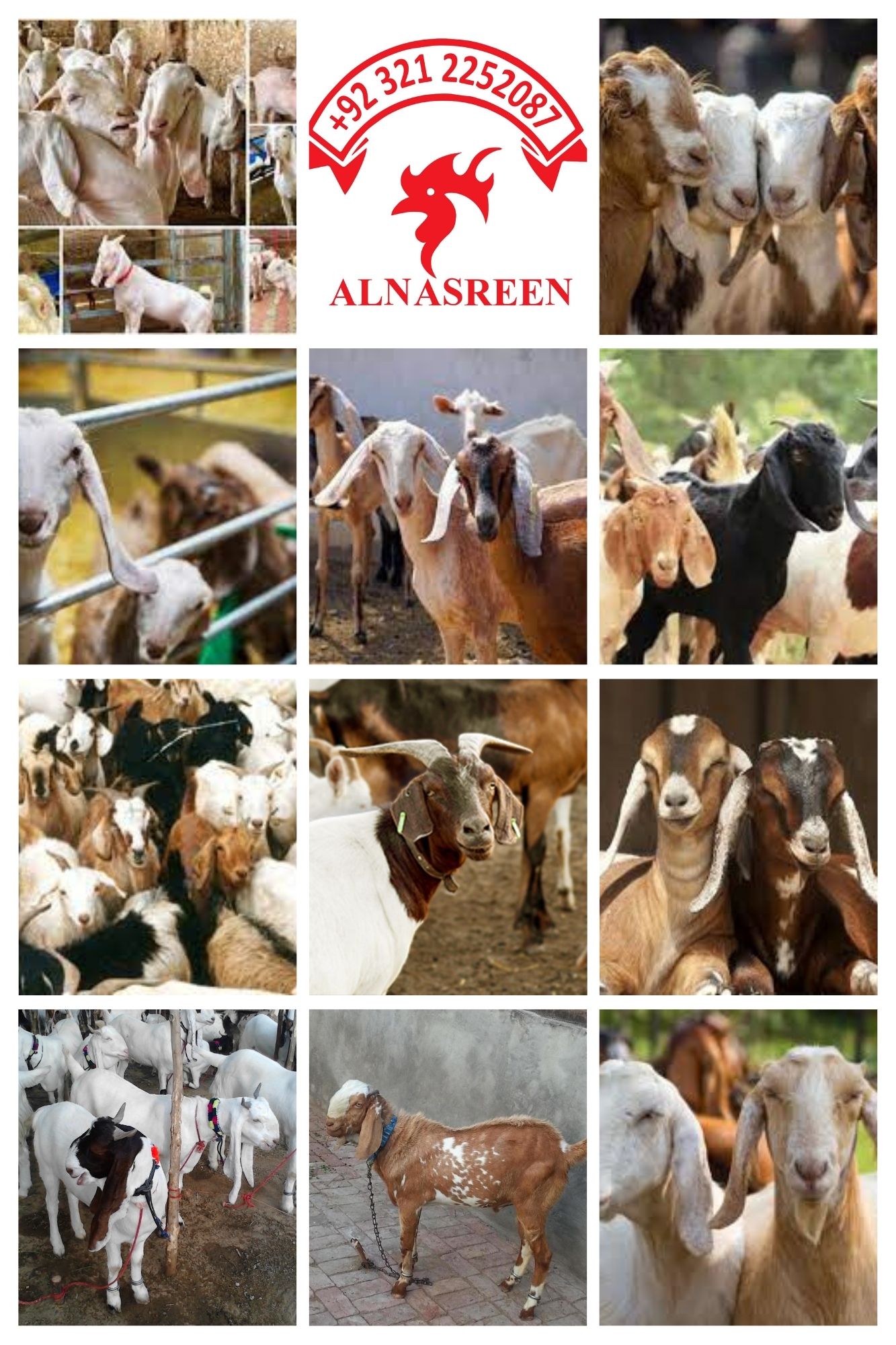
Aqiqa Bakra Gulshan-e-Iqbal Karachi – ALNASREEN: A Comprehensive Guide
Understanding Aqiqa: Islamic Tradition and Significance
Aqiqa, an Islamic tradition of celebrating the birth of a child with the sacrifice of an animal, holds deep religious and cultural significance. It is a Sunnah act, meaning it is highly recommended but not obligatory, and is performed to express gratitude to Allah for the newborn’s arrival, seek blessings for the child’s future, and share joy with family and community. The animal sacrificed, typically a goat or sheep (bakra), is divided and distributed among relatives, friends, the poor, and needy, promoting social cohesion and charitable giving.
The practice of Aqiqa is rooted in the teachings of Prophet Muhammad (peace be upon him), who himself performed Aqiqa for his grandsons, Hassan and Hussain. It is considered a way to purify the child and protect them from harm, both physical and spiritual. The meat from the sacrificed animal is seen as a source of nourishment and blessing, shared with those who may not have access to such provisions regularly.
The number of animals sacrificed depends on the gender of the child. For a baby boy, two goats or sheep are traditionally sacrificed, while for a baby girl, one is sufficient. This distinction is based on interpretations of Islamic texts and is a matter of ongoing discussion among scholars. Regardless of the number, the intention (Niyyah) behind the sacrifice is paramount, emphasizing sincerity and devotion to Allah.
ALNASREEN: A Reputable Provider in Gulshan-e-Iqbal, Karachi
ALNASREEN has established itself as a reputable provider of Aqiqa Bakra in Gulshan-e-Iqbal, Karachi, catering to the needs of families seeking to fulfill this important religious obligation. They offer a range of services designed to simplify the Aqiqa process, ensuring adherence to Islamic guidelines and providing convenience for their customers.
ALNASREEN distinguishes itself through several key aspects:
-
Quality and Selection: They maintain a stock of healthy, well-nourished goats and sheep suitable for Aqiqa. Animals are carefully selected to meet the criteria outlined in Islamic law, ensuring they are free from any defects or illnesses that would render them unsuitable for sacrifice.
-
Transparency and Trust: ALNASREEN operates with transparency, allowing customers to inspect the animals before purchase and ensuring they are satisfied with their selection. They provide clear information about the origin and health of the animals, building trust and confidence among their clientele.
-
Professional Service: Their team is knowledgeable about Islamic guidelines related to Aqiqa and can provide guidance and assistance throughout the process. They offer services such as animal selection, sacrifice, and meat distribution, streamlining the entire experience for busy families.
-
Hygiene and Safety: ALNASREEN prioritizes hygiene and safety in their operations. Animals are kept in clean and sanitary conditions, and the sacrifice is performed by trained professionals following proper protocols. This ensures the meat is safe for consumption and minimizes the risk of contamination.
-
Community Focus: They are committed to serving the community and often collaborate with local charities and organizations to distribute Aqiqa meat to those in need. This reinforces the charitable aspect of Aqiqa and helps to alleviate poverty and hunger.
Navigating the Aqiqa Process with ALNASREEN
Performing Aqiqa with ALNASREEN involves a straightforward and well-defined process:
-
Consultation and Selection: Contact ALNASREEN to discuss your requirements and preferences. Their staff will guide you through the available options, explaining the different types of animals, their sizes, and prices. You can visit their location to inspect the animals personally and make your selection.
-
Booking and Payment: Once you have chosen the animal, you will need to make a booking and pay the agreed-upon price. ALNASREEN offers various payment methods for your convenience.
-
Sacrifice Arrangement: ALNASREEN will arrange for the sacrifice to be performed according to Islamic guidelines. You can choose to be present during the sacrifice or have it performed on your behalf. They will ensure the sacrifice is carried out by a qualified individual who is knowledgeable about Islamic rituals.
-
Meat Processing and Distribution: After the sacrifice, the meat will be processed and prepared for distribution. ALNASREEN can assist with dividing the meat into portions for family, friends, and charity. They can also arrange for the distribution of the meat to needy individuals and organizations on your behalf.
-
Documentation and Confirmation: ALNASREEN will provide you with documentation confirming the sacrifice has been performed and the meat has been distributed. This provides peace of mind and ensures transparency in the process.
Factors to Consider When Choosing an Aqiqa Provider
Selecting the right Aqiqa provider is crucial to ensuring the proper fulfillment of this religious obligation. Here are some factors to consider when making your decision:
-
Reputation and Reliability: Research the provider’s reputation and track record. Look for reviews and testimonials from previous customers. A reputable provider will have a history of providing quality animals and reliable service.
-
Animal Health and Quality: Ensure the animals are healthy, well-nourished, and free from any defects or illnesses. Inspect the animals personally before making your selection. Ask about their origin and feeding practices.
-
Adherence to Islamic Guidelines: Verify that the provider adheres to Islamic guidelines regarding the selection, sacrifice, and distribution of Aqiqa animals. They should be knowledgeable about the relevant Islamic rulings and practices.
-
Hygiene and Safety Standards: Assess the provider’s hygiene and safety standards. The animals should be kept in clean and sanitary conditions, and the sacrifice should be performed following proper protocols.
-
Transparency and Communication: Choose a provider that is transparent and communicative. They should be willing to answer your questions and provide you with all the information you need.
-
Pricing and Payment Options: Compare prices from different providers and choose one that offers fair and competitive pricing. Ensure they offer convenient payment options.
-
Community Involvement: Consider a provider that is involved in the community and contributes to charitable causes. This reinforces the charitable aspect of Aqiqa.
The Islamic Perspective on Animal Selection for Aqiqa
Islamic jurisprudence outlines specific criteria for selecting animals for sacrifice, including Aqiqa. These guidelines are intended to ensure the animal is treated with respect and the sacrifice is performed in a manner that is pleasing to Allah.
-
Type of Animal: The preferred animals for Aqiqa are goats and sheep (bakra). Cows and camels can also be used, but goats and sheep are more commonly chosen due to their affordability and availability.
-
Age and Size: The animal should be of a suitable age and size. For goats and sheep, it is generally recommended that they be at least six months old.
-
Health and Condition: The animal must be healthy and free from any defects or illnesses that would render it unsuitable for sacrifice. This includes blindness, lameness, severe emaciation, and any other condition that would cause undue suffering to the animal.
-
Physical Perfection: The animal should be physically perfect, with no missing limbs or other significant deformities.
-
Treatment of the Animal: The animal should be treated with kindness and respect before the sacrifice. It should be provided with food and water and should not be subjected to any unnecessary stress or suffering.
Ethical Considerations in Aqiqa Sacrifice
While Aqiqa is a religious tradition with deep significance, it is important to approach the sacrifice with ethical considerations in mind. This includes ensuring the animal is treated humanely and the sacrifice is performed in a manner that minimizes suffering.
-
Humane Slaughter: The sacrifice should be performed quickly and efficiently by a qualified individual who is knowledgeable about Islamic slaughtering techniques. This ensures the animal experiences minimal pain and distress.
-
Respect for the Animal: The animal should be treated with respect both before and after the sacrifice. Its body should be handled with care, and its remains should be disposed of properly.
-
Minimizing Waste: Efforts should be made to minimize waste and utilize all parts of the animal. The meat should be distributed to those in need, and the skin and other byproducts can be used for various purposes.
-
Promoting Animal Welfare: Supporting organizations that promote animal welfare and advocate for humane treatment of animals is a way to contribute to ethical practices in animal sacrifice.
Alternative Options and Considerations for Aqiqa
While the traditional practice of Aqiqa involves animal sacrifice, there are alternative options and considerations that may be relevant for some individuals and families.
-
Financial Constraints: If a family is facing financial constraints, they may choose to postpone the Aqiqa until they are in a better financial position. Islamic scholars generally agree that Aqiqa is not obligatory and should not be performed if it causes undue hardship.
-
Alternative Forms of Charity: Instead of sacrificing an animal, some individuals may choose to donate the equivalent amount of money to charity. This can be a viable alternative, especially if it is difficult to find a reliable source of Aqiqa animals or if there are concerns about animal welfare.
-
Focus on Intentions: Ultimately, the intention behind Aqiqa is more important than the specific act of sacrifice. The goal is to express gratitude to Allah, seek blessings for the child, and share joy with the community. These intentions can be fulfilled through various means, including prayer, charity, and acts of kindness.
-
Cultural Variations: The practice of Aqiqa may vary across different cultures and communities. It is important to be respectful of these variations and to follow the customs and traditions of your own community.
**Conclusion: Fulfilling the Sunnah

