

Aqiqah: Timing, Animals, and Considerations with ALNASREEN
The Aqiqah, a Sunnah (recommended practice) in Islam, is a celebration marking the birth of a child. It involves sacrificing an animal, typically a goat or sheep, and distributing the meat among family, friends, and the needy. The act serves as an expression of gratitude to Allah (God) for the blessing of a newborn and a means of strengthening community bonds. While the seventh day after birth is the preferred time for Aqiqah, questions often arise regarding the permissibility and implications of performing it later. Additionally, the types of animals suitable for Aqiqah, particularly the distinctions between a goat (Bakra) and a cow, and the role of organizations like ALNASREEN in facilitating this ritual, are important considerations for Muslims.
The Preferred Time: The Seventh Day
Islamic texts and scholarly opinions strongly favor performing the Aqiqah on the seventh day after the child’s birth. This preference stems from several hadith (sayings and actions of Prophet Muhammad, peace be upon him) that highlight the significance of this timing.
- Sunnah Emphasis: The Prophet Muhammad (PBUH) himself performed Aqiqah for his grandsons, Hassan and Hussain, on the seventh day after their birth. This established a clear precedent for the Ummah (Muslim community).
- Symbolic Significance: The seventh day is often associated with the completion of a cycle. It symbolizes the child’s initial integration into the world and the parents’ acknowledgment of their responsibility towards the child’s upbringing and spiritual well-being.
- Convenience and Tradition: Performing the Aqiqah on the seventh day allows families to celebrate the occasion while the joy of the newborn’s arrival is still fresh. It also aligns with traditional practices within many Muslim cultures.
Permissibility of Delaying Aqiqah: Scholarly Views
While the seventh day is the preferred time, Islamic scholars generally agree that delaying the Aqiqah beyond this day does not render it invalid. However, there are varying opinions regarding the optimal time frame for performing it if the seventh day is missed.
- Majority Opinion: The majority of scholars permit performing the Aqiqah at any time after the seventh day. They argue that the intention behind the Aqiqah – expressing gratitude and benefiting the community – remains valid regardless of the timing.
- Preferred Alternatives: Some scholars suggest that if the seventh day is missed, it is best to perform the Aqiqah on the fourteenth or twenty-first day after birth, maintaining the multiple of seven. This is based on the idea of adhering to the Sunnah as closely as possible, even when the primary timing is not feasible.
- Delay Due to Circumstances: Scholars acknowledge that legitimate reasons may necessitate delaying the Aqiqah. These reasons could include financial constraints, logistical challenges in obtaining a suitable animal, or the unavailability of family members to participate in the celebration.
- Delay Until Adulthood: A minority opinion suggests that if the parents are unable to perform the Aqiqah, the individual can perform it for themselves upon reaching adulthood. This view is less prevalent but highlights the personal significance of the Aqiqah.
Arguments for Permissibility of Delay:
Several arguments support the permissibility of delaying the Aqiqah beyond the seventh day:
- Flexibility in Islamic Law: Islamic law (Sharia) often allows for flexibility in certain matters, recognizing that circumstances can vary. The Aqiqah is considered a Sunnah Mu’akkadah (highly recommended practice) but not a Fard (obligatory duty).
- Intention Over Timing: The core intention behind the Aqiqah is to express gratitude to Allah and to provide for the community. This intention remains valid regardless of the specific timing.
- Absence of Strict Prohibition: There is no explicit prohibition in the Quran or Sunnah against delaying the Aqiqah. The emphasis is on performing it as soon as feasible and convenient.
- Analogical Reasoning (Qiyas): Some scholars draw an analogy between Aqiqah and Udhiyah (Qurbani), the sacrifice performed during Eid al-Adha. While Udhiyah has specific days for its performance, it is generally accepted that if those days are missed due to valid reasons, it can be performed later as a form of Sadaqah (charity).
Considerations When Delaying Aqiqah:
While delaying the Aqiqah is permissible, it is important to consider the following:
- Intention to Perform: It is crucial to maintain the intention to perform the Aqiqah as soon as possible, even if it is delayed. Procrastination without a valid reason is discouraged.
- Financial Planning: If financial constraints are the reason for the delay, it is advisable to start saving or planning for the Aqiqah as soon as possible.
- Communication with Family: If logistical challenges or the unavailability of family members are the reason, it is important to communicate and coordinate to find a suitable time for the celebration.
- Seeking Scholarly Guidance: If there are uncertainties or complex circumstances, it is always advisable to seek guidance from knowledgeable Islamic scholars.
Aqiqah Animal: Goat (Bakra) vs. Cow
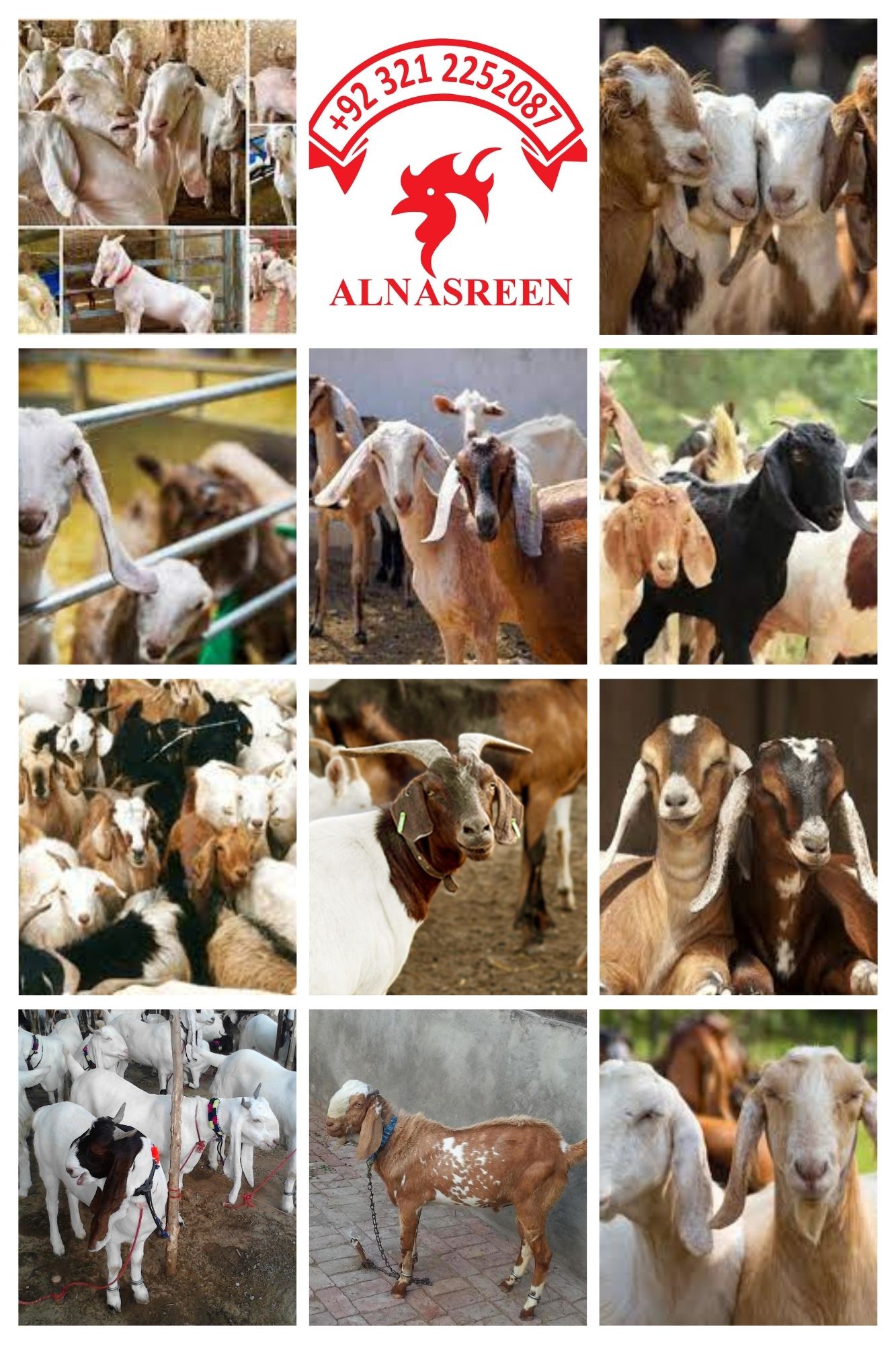
The most common animals used for Aqiqah are goats and sheep. However, in some regions and cultures, cows are also used. The permissibility and implications of using different animals are important considerations.
- Goat or Sheep: The majority of scholars agree that a goat or sheep is the preferred animal for Aqiqah. A single goat or sheep is sufficient for one child. This is based on the Prophet Muhammad’s (PBUH) practice of sacrificing a goat for each of his grandsons.
- Cow: The permissibility of using a cow for Aqiqah is subject to different scholarly opinions.
- Permissible with Conditions: Some scholars permit the use of a cow, provided that it is equivalent to seven goats or sheep. This is based on the analogy to Udhiyah, where one cow can be sacrificed on behalf of seven people. In this view, one-seventh of the cow’s value is considered equivalent to one Aqiqah.
- Less Preferred: Other scholars consider the use of a cow for Aqiqah less preferred, arguing that the Sunnah clearly indicates the use of a goat or sheep. They maintain that sticking to the Sunnah is the best practice.
- Regional Variations: The acceptability of using a cow for Aqiqah often depends on regional customs and traditions. In some regions where cows are readily available and commonly used for sacrifices, it is more accepted.
- Other Animals: Other animals, such as camels, are generally not considered suitable for Aqiqah. The Sunnah primarily focuses on goats and sheep.
Conditions for Aqiqah Animals:
Regardless of the type of animal used, certain conditions must be met for it to be considered suitable for Aqiqah:
- Health and Well-being: The animal must be healthy and free from any major defects or diseases. It should not be blind, lame, or excessively thin.
- Age: The animal must be of a certain age. Generally, a goat or sheep should be at least six months old, and a cow should be at least two years old.
- Proper Slaughter: The animal must be slaughtered according to Islamic guidelines (Zabiha). This involves making a swift and humane cut to the throat, while invoking the name of Allah.
Distribution of Aqiqah Meat:
The distribution of the Aqiqah meat is an important aspect of the ritual. It is generally recommended to divide the meat into three portions:
- Family and Relatives: One portion is for the family and relatives to enjoy. This helps strengthen family bonds and share the joy of the newborn’s arrival.
- Friends and Neighbors: Another portion is for friends and neighbors. This fosters community spirit and promotes goodwill.
- The Needy: The final portion is for the poor and needy. This ensures that the less fortunate members of society also benefit from the Aqiqah.
Alternative Options:
If distributing the meat directly is not feasible, it is permissible to cook a meal and invite people to partake in it. This is a common practice in many Muslim cultures.
ALNASREEN and Aqiqah Services:
Organizations like ALNASREEN play a significant role in facilitating Aqiqah for Muslims around the world. They offer various services to make the process easier and more accessible.
- Animal Procurement: ALNASREEN can help source suitable animals for Aqiqah, ensuring that they meet the required conditions of health, age, and quality.
- Slaughtering Services: They provide professional slaughtering services according to Islamic guidelines, ensuring that the Zabiha is performed correctly.
- Meat Distribution: ALNASREEN can handle the distribution of the Aqiqah meat to the needy, ensuring that it reaches those who are most deserving.
- Online Platforms: Many organizations, including ALNASREEN, offer online platforms where Muslims can easily arrange and pay for Aqiqah services. This makes it convenient for those who are unable to personally oversee the process.
- Transparency and Accountability: Reputable organizations like ALNASREEN prioritize transparency and accountability in their operations, ensuring that donations are used effectively and ethically.
Benefits of Using Aqiqah Services:
Using Aqiqah services offered by organizations like ALNASREEN can provide several benefits:
- Convenience: It saves time and effort, especially for those who are busy or live far from suitable animal markets.

