

Aqeeqah: Giving Your Child a Blessed Start
Aqeeqah, a cherished tradition in Islam, is the celebration of a child’s birth through the sacrifice of an animal and the sharing of the meat with family, friends, and those in need. More than just a festive occasion, Aqeeqah is deeply rooted in religious significance, encompassing gratitude to Allah (SWT) for the gift of a child, an act of charity, and a means of strengthening communal bonds. Understanding the nuances of this beautiful practice allows parents to embark on their child’s journey with intention, seeking blessings and protection for their future.
The Religious Foundations of Aqeeqah:
The practice of Aqeeqah is strongly supported by Sunnah, the teachings and practices of Prophet Muhammad (PBUH). Several Hadith (sayings of the Prophet) highlight the importance and merits of this tradition.
- Hadith Evidence: The most prominent Hadith is narrated by Salman ibn Amir ad-Dabbi, who said: “I heard the Messenger of Allah (PBUH) say, ‘For the boy, there should be an Aqeeqah, so slaughter (an animal) for him, and remove the dirt from him.’” (Sahih al-Bukhari). This Hadith explicitly mentions the Aqeeqah and connects it to the well-being of the child.
- Another Hadith: Narrated by Samurah bin Jundub, the Prophet (PBUH) said, “Every boy is mortgaged by his ‘Aqeeqa which should be slaughtered for him on the seventh day, and he should be given a name, and his head should be shaved.” (Sunan Abu Dawud). This Hadith emphasizes the timing of the Aqeeqah and links it to naming the child and shaving their head.
- Sunnah of the Prophet (PBUH): It is also reported that the Prophet Muhammad (PBUH) performed the Aqeeqah for his grandsons, Hasan and Hussein, further solidifying its significance as a practice within the Sunnah.
These Hadith provide a strong foundation for the practice of Aqeeqah, encouraging Muslims to observe this tradition as a way to express gratitude and seek blessings for their newborn children.
The Wisdom and Benefits of Aqeeqah:
Beyond its religious basis, Aqeeqah offers numerous benefits to the child, the family, and the community.
- Gratitude to Allah (SWT): The primary purpose of Aqeeqah is to express sincere gratitude to Allah (SWT) for the blessing of a child. It is a tangible way of acknowledging His favor and seeking His continued blessings upon the child’s life.
- Protection and Well-being: Many scholars believe that Aqeeqah serves as a form of protection for the child from harm and misfortune. The sacrifice is seen as a ransom, safeguarding the child’s well-being both physically and spiritually. The Hadith mentioning the child being “mortgaged” by their Aqeeqah suggests that performing this act releases the child from potential difficulties.
- Strengthening Family and Community Bonds: Aqeeqah celebrations bring families and communities together. Sharing the meat with relatives, friends, neighbors, and the needy fosters a sense of unity, generosity, and social responsibility. It provides an opportunity to strengthen relationships and build a supportive network for the child.
- Act of Charity: A significant portion of the Aqeeqah meat is distributed to the poor and needy, fulfilling the Islamic principle of Zakat (charity) and contributing to the welfare of the less fortunate. This act of kindness brings blessings to both the child and the family.
- A Manifestation of Joy: Aqeeqah is a celebration of new life and a public expression of joy and gratitude. It allows the family to share their happiness with others and create a memorable occasion that marks the beginning of the child’s journey.
- Following the Sunnah: Performing Aqeeqah is an act of obedience to the Prophet Muhammad (PBUH) and a way to emulate his practices. By following the Sunnah, Muslims strive to live their lives according to the teachings of Islam and seek the blessings of Allah (SWT).
The Rules and Guidelines of Aqeeqah:
Understanding the specific rules and guidelines surrounding Aqeeqah ensures that the practice is performed correctly and in accordance with Islamic principles.
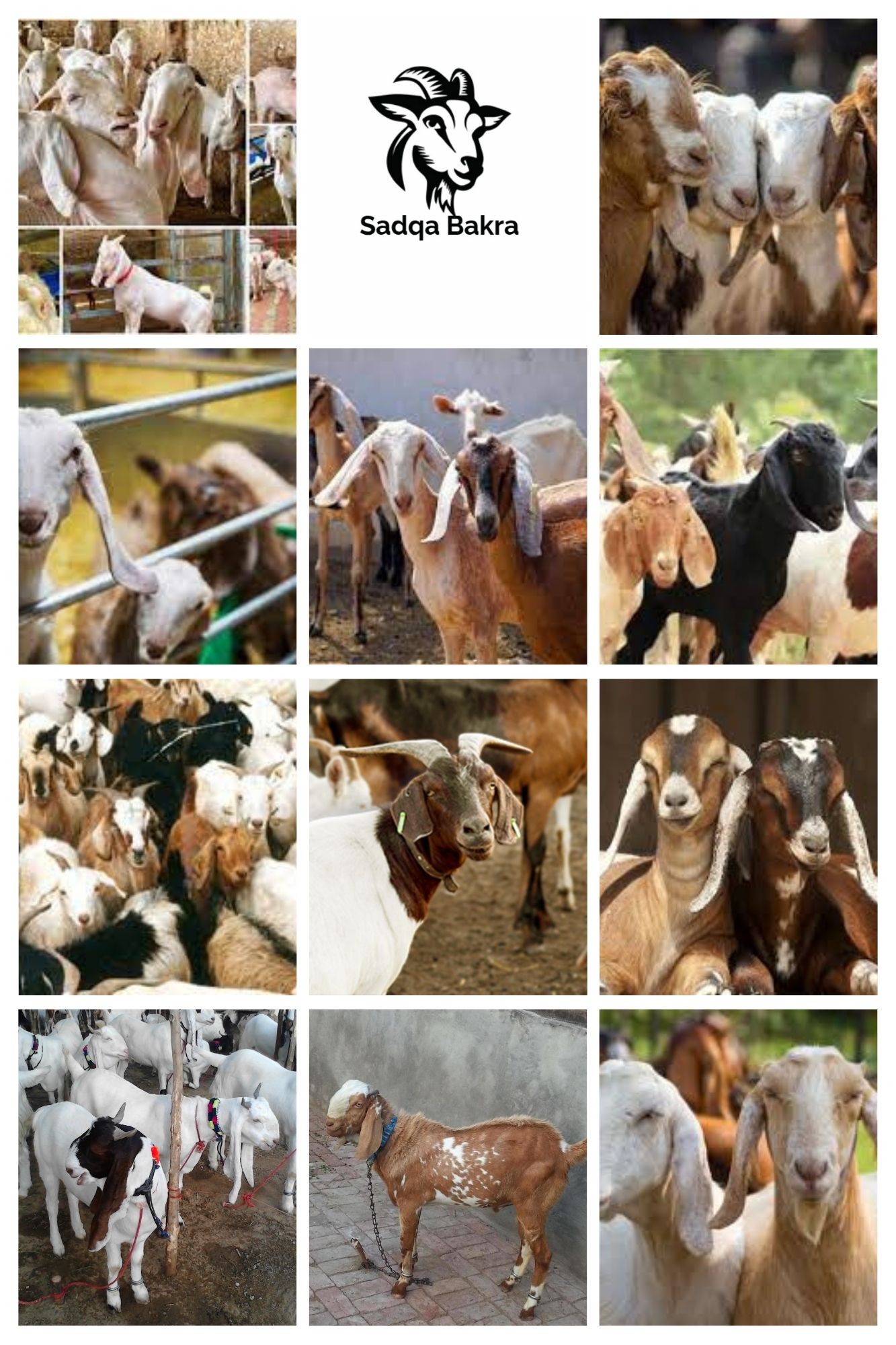
- Animal Sacrifice: The animal to be sacrificed must be a healthy and suitable animal, typically a sheep or a goat. The animal should be free from any major defects or illnesses. For a boy, it is recommended to sacrifice two animals, while for a girl, one animal is sufficient. However, it is permissible to sacrifice one animal for a boy if the family is unable to afford two.
- Timing: The Aqeeqah is typically performed on the seventh day after the child’s birth. If this is not possible, it can be performed on the 14th or 21st day. If these days are missed, the Aqeeqah can be performed at any later date, although it is preferable to do it as soon as possible.
- Slaughtering the Animal: The animal should be slaughtered in a humane and Islamic manner, following the principles of Zabiha. This involves using a sharp knife and swiftly cutting the jugular veins, carotid arteries, and trachea while reciting the name of Allah (SWT).
- Distribution of the Meat: The meat should be divided into three portions. One portion is for the family to consume, another portion is for relatives and friends, and the third portion is for the poor and needy. It is permissible to cook the meat before distributing it.
- Shaving the Head and Naming the Child: On the seventh day, it is also recommended to shave the child’s head and give charity equivalent to the weight of the hair in silver. The child should also be given a good and meaningful name on this day.
- No Bones Broken: Some traditions suggest that the bones of the sacrificed animal should not be broken but rather separated at the joints. This is a matter of cultural practice and not a strict religious requirement.
- Who Performs the Aqeeqah?: The responsibility of performing the Aqeeqah typically falls upon the father of the child. However, if the father is unable to do so, another family member, such as the mother or a grandparent, can perform the Aqeeqah on behalf of the child.
- Alternatives to Sacrifice: In situations where it is impossible to perform the animal sacrifice, such as due to financial constraints or geographical limitations, some scholars allow for the equivalent value of the animal to be given in charity. However, the animal sacrifice remains the preferred and recommended practice.
Addressing Common Questions and Misconceptions:
Several common questions and misconceptions surround the practice of Aqeeqah. Addressing these clarifies the understanding and facilitates proper adherence to the tradition.
- Is Aqeeqah obligatory (Fard) or recommended (Sunnah)? The majority of Islamic scholars consider Aqeeqah to be a Sunnah Mu’akkadah, a strongly recommended practice. While not obligatory, it is highly encouraged for those who are able to afford it.
- Can the Aqeeqah be combined with Udhiyah (Qurbani)? While both involve animal sacrifice, Aqeeqah and Udhiyah (performed during Eid al-Adha) are distinct acts of worship and should ideally be performed separately. Combining them is generally not recommended.
- What if the parents are unable to afford the Aqeeqah? If the parents are unable to afford the Aqeeqah, it is not considered a sin or a burden upon them. They should not put themselves into debt to perform the Aqeeqah. However, if their financial situation improves later, they can perform the Aqeeqah at that time.
- Can the Aqeeqah meat be given to non-Muslims? While the preferred practice is to distribute the Aqeeqah meat to Muslims, some scholars allow for it to be given to non-Muslims, particularly those who are poor or needy, as an act of kindness and goodwill.
- Is it permissible to eat from the Aqeeqah meat if one is in a state of impurity (Janabah)? Yes, it is permissible to eat from the Aqeeqah meat even if one is in a state of impurity. However, it is recommended to perform Ghusl (ritual bath) before eating.
- Can the money for Aqeeqah be used for other charitable purposes? While charitable acts are always commendable, the Aqeeqah is a specific act of worship with its own unique benefits. It is preferable to perform the Aqeeqah if possible, rather than diverting the funds to other charitable purposes.
- Is it permissible to perform the Aqeeqah in a foreign country? Yes, it is permissible to perform the Aqeeqah in a foreign country, provided that the animal is slaughtered in accordance with Islamic principles and the meat is distributed to those in need.
- Does the child benefit from the Aqeeqah even if they are unaware of it? Yes, the child benefits from the Aqeeqah regardless of their awareness. The Aqeeqah is an act of worship performed on their behalf, seeking blessings and protection for them.
- Can the Aqeeqah be performed after the child has reached adulthood? While it is preferable to perform the Aqeeqah during childhood, some scholars allow for it to be performed even after the child has reached adulthood, particularly if it was not performed earlier due to unforeseen circumstances.
Practical Considerations for Performing Aqeeqah:
Planning and executing the Aqeeqah requires careful consideration of various practical aspects.

