

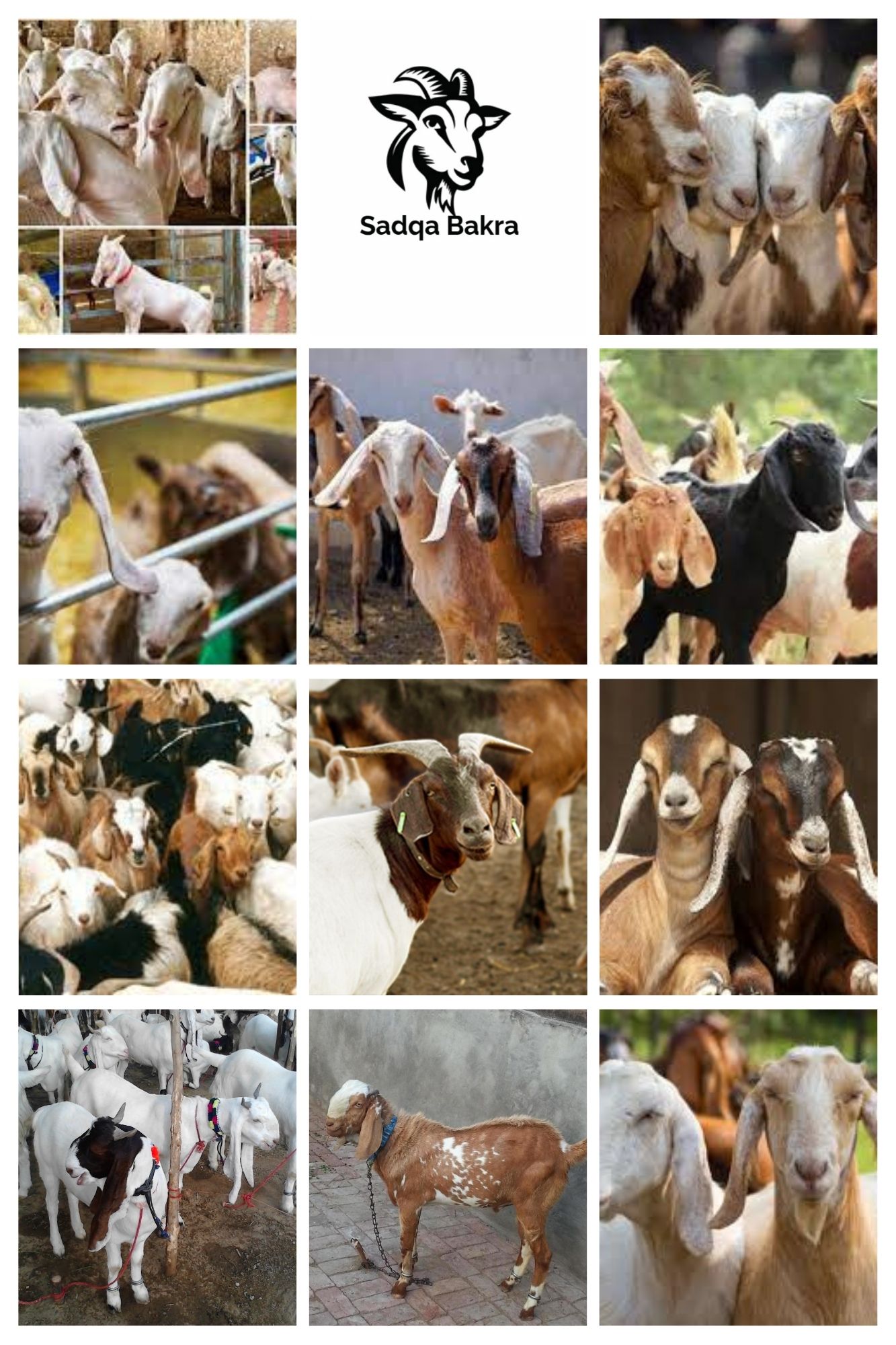
Aqeeqah: A Comprehensive Guide to Celebrating the Arrival of a Newborn
Aqeeqah, a cherished Sunnah (Prophetic tradition) in Islam, is a celebratory sacrifice performed to express gratitude to Allah (God) for the gift of a newborn child. It’s a communal act of joy, reflecting the happiness and blessings that accompany the arrival of a new member into the family and the wider community. This detailed guide explores the multifaceted aspects of Aqeeqah, addressing its significance, rulings, procedures, and related considerations for both baby boys and girls.
The Religious Significance and Basis of Aqeeqah
Aqeeqah finds its roots in the teachings and practices of Prophet Muhammad (peace be upon him). Numerous hadith (Prophetic narrations) highlight its importance and encourage its performance. The primary purpose of Aqeeqah is to express thankfulness to Allah for the blessing of a child. It is considered a means of strengthening the bond between the family and Allah, and it serves as an opportunity to share joy and provide sustenance to the community.
- Prophetic Tradition (Sunnah): The Prophet Muhammad (peace be upon him) himself performed Aqeeqah for his grandsons, Hassan and Hussein. This act serves as a strong precedent and underscores the significance of following the Sunnah.
- Expression of Gratitude: Aqeeqah is a profound expression of gratitude to Allah for the gift of a child. It acknowledges that the child is a blessing and a trust from Allah.
- Strengthening Community Bonds: The act of sharing the Aqeeqah meat with family, friends, and the needy fosters a sense of community and strengthens social bonds.
- Seeking Protection for the Child: Some scholars suggest that Aqeeqah serves as a form of protection for the child, invoking Allah’s blessings and safeguarding them from harm.
- Intercession on the Day of Judgement: It is believed by some that the Aqeeqah can act as an intercessor for the child on the Day of Judgement.
Rulings and Opinions on the Obligation of Aqeeqah
While the importance of Aqeeqah is widely accepted, there are differing opinions among Islamic scholars regarding its obligatory status.
- Sunnah Mu’akkadah (Highly Recommended): The majority of scholars consider Aqeeqah to be a Sunnah Mu’akkadah, meaning it is a highly recommended practice that Muslims should strive to perform if they have the means. This view is supported by the Prophet’s (peace be upon him) own practice and encouragement.
- Wajib (Obligatory): Some scholars hold the opinion that Aqeeqah is Wajib, an obligatory act. They base this opinion on the strong emphasis placed on it in the hadith.
- Based on Financial Capacity: Regardless of whether it is considered Sunnah Mu’akkadah or Wajib, the obligation or recommendation is contingent upon the parents’ financial ability to perform it. If they are unable to afford it, they are not obligated to do so.
The Number of Animals to Sacrifice: Distinctions Between Boy and Girl
A key aspect of Aqeeqah is the number of animals to be sacrificed, which differs based on the gender of the child according to some schools of thought.
- Boy: The generally accepted practice is to sacrifice two sheep or goats for a baby boy. This is based on a hadith that mentions sacrificing two similar animals for a boy.
- Girl: For a baby girl, one sheep or goat is typically sacrificed.
- One Animal for Both: Some scholars hold the opinion that one animal is sufficient for both a boy and a girl, arguing that the primary purpose is to express gratitude, and the number of animals is not a strict requirement.
- Wisdom Behind the Difference (If Applicable): The reasoning behind sacrificing two animals for a boy, according to some interpretations, is to acknowledge the greater responsibilities and potential roles that men traditionally hold in society. This is not to diminish the value of a girl, but rather to recognize the different expectations and societal contributions often associated with each gender.
Timing of the Aqeeqah: When to Perform the Sacrifice
The optimal time to perform the Aqeeqah is on the seventh day after the child’s birth.
- Seventh Day: The Prophet Muhammad (peace be upon him) is reported to have said that the Aqeeqah should be performed on the seventh day.
- If Not Possible on the Seventh Day: If it is not possible to perform the Aqeeqah on the seventh day due to unforeseen circumstances, it can be performed on the fourteenth day, the twenty-first day, or at any later time.
- Flexibility: While performing it on the seventh day is preferred, it is permissible to delay it if necessary. The important thing is to perform it as soon as it is feasible.
- Before Puberty: Some scholars suggest that the Aqeeqah should be performed before the child reaches puberty. If the parents are unable to perform it, the child can perform it for themselves when they are able to do so.
The Animal for Sacrifice: Requirements and Conditions
The animal chosen for Aqeeqah must meet specific criteria to be considered acceptable for sacrifice. These conditions are similar to those for animals sacrificed during Eid al-Adha.
- Type of Animal: The animal should be a sheep, goat, cow, or camel. Sheep and goats are the most commonly used animals for Aqeeqah.
- Age: The animal must be of a certain age. For sheep, it should be at least six months old; for goats, at least one year old; for cows, at least two years old; and for camels, at least five years old.
- Health and Physical Condition: The animal must be healthy and free from any significant defects or diseases. It should not be blind, lame, excessively thin, or have any missing body parts.
- Perfect Condition: Ideally, the animal should be in perfect condition, without any blemishes or imperfections.
- Halal Slaughter: The animal must be slaughtered in accordance with Islamic guidelines (Halal). This involves using a sharp knife to swiftly cut the throat, windpipe, and carotid arteries while reciting the name of Allah.
The Procedure of Aqeeqah: Step-by-Step Guide
Performing the Aqeeqah involves several steps, from selecting the animal to distributing the meat.
- Intention (Niyyah): The person performing the Aqeeqah must have the intention (Niyyah) to do so for the specific child. This intention should be sincere and for the sake of Allah.
- Selecting the Animal: Choose an animal that meets the requirements mentioned above. Ensure it is healthy and free from defects.
- Slaughtering the Animal (Dhabihah): The animal should be slaughtered in a Halal manner. A Muslim should perform the slaughter while reciting “Bismillah Allahu Akbar” (In the name of Allah, Allah is the Greatest).
- Skinning and Cutting the Meat: After slaughtering, the animal should be skinned and the meat should be cut into pieces.
- Cooking the Meat: The meat can be cooked in various ways. It is permissible to roast, boil, or prepare it in any other manner.
- Distributing the Meat: The meat should be distributed among family, friends, neighbors, and the poor and needy. It is recommended to give a portion to each group.
- Breaking the Bones (Optional): Some traditions suggest that the bones of the animal should not be broken, but rather separated at the joints. This is not a mandatory requirement, but rather a preferred practice.
- Shaving the Baby’s Head: It is customary to shave the baby’s head on the seventh day, coinciding with the Aqeeqah.
- Weighing the Hair and Giving Silver in Charity: After shaving the head, the hair should be weighed, and an equivalent amount of silver (or its monetary value) should be given in charity to the poor.
- Naming the Child: The naming of the child is also typically done on the seventh day, although it can be done earlier.
Distribution of the Aqeeqah Meat: Sharing the Blessings
The distribution of the Aqeeqah meat is an essential part of the ritual, reflecting the spirit of sharing and community.
- Family and Relatives: A portion of the meat should be given to family members and relatives. This strengthens family bonds and allows them to share in the joy of the occasion.
- Friends and Neighbors: Giving meat to friends and neighbors fosters good relations and promotes a sense of community.
- The Poor and Needy: A significant portion of the meat should be given to the poor and needy. This act of charity is highly emphasized in Islam and helps to alleviate poverty and suffering.
- The Family Can Consume Some: The family performing the Aqeeqah can also consume some of the meat themselves.
- No Specific Proportions: There are no specific proportions prescribed for the distribution of the meat. The distribution should be done in a fair and equitable manner, giving priority to those in need.
- Cooked or Raw: The meat can be distributed cooked or raw, depending on the preferences and needs of the recipients.
Shaving the Head and Giving Charity: Sunnah Practices
Shaving the baby’s head and giving charity are important Sunnah practices associated with Aqeeqah.
- Shaving the Head: Shaving the baby’s head on the

