

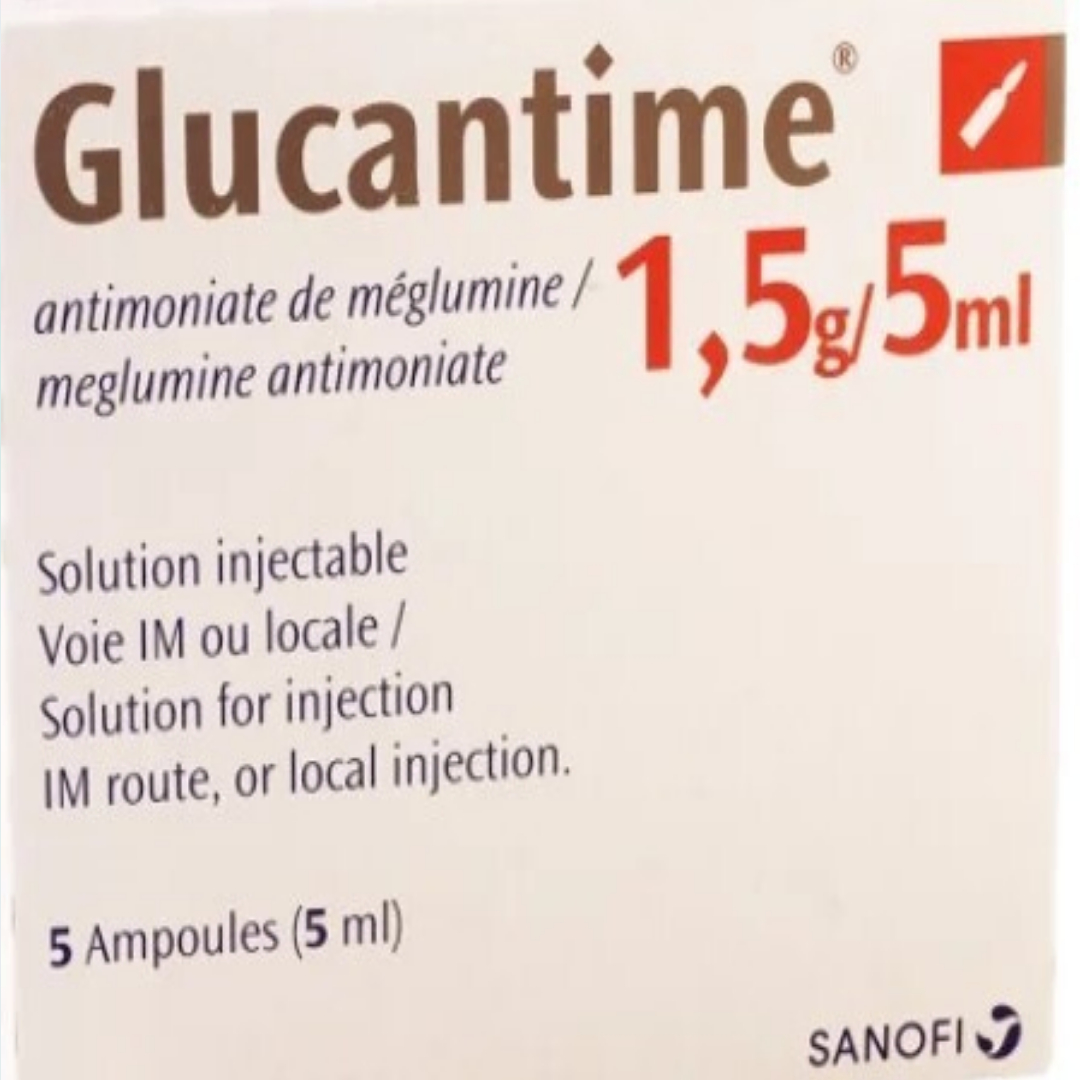
Glucantime Injection: A Comprehensive Guide to Uses, Benefits, and Considerations
Understanding Leishmaniasis and the Role of Glucantime
Leishmaniasis is a parasitic disease transmitted by the bite of infected female phlebotomine sandflies. The parasites, belonging to the Leishmania genus, exist in different forms and cause various clinical manifestations. The disease is prevalent in tropical and subtropical regions, particularly in parts of Asia, Africa, South America, and the Mediterranean. Leishmaniasis presents in three main forms:
-
Visceral Leishmaniasis (VL) or Kala-azar: This is the most severe form, affecting internal organs such as the spleen, liver, and bone marrow. Without treatment, VL is almost always fatal. Symptoms include fever, weight loss, enlargement of the spleen and liver (splenomegaly and hepatomegaly), and anemia.
-
Cutaneous Leishmaniasis (CL): The most common form, CL causes skin sores, typically on exposed parts of the body like the face, arms, and legs. These sores can start as small bumps and gradually develop into ulcers. CL is not usually life-threatening but can cause significant disfigurement and scarring.
-
Mucocutaneous Leishmaniasis (MCL): A destructive form primarily affecting the mucous membranes of the nose, mouth, and throat. MCL can develop years after the initial cutaneous infection and can lead to severe disfigurement and disability.
Glucantime (meglumine antimoniate) is an injectable medication and a first-line treatment option for all forms of leishmaniasis. It belongs to the pentavalent antimonial class of drugs. While the exact mechanism of action is not fully understood, it is believed that Glucantime inhibits parasite metabolism, specifically affecting energy production and DNA replication within the Leishmania parasite. This ultimately leads to parasite death or suppression of its growth.
Composition and Pharmaceutical Properties of Glucantime
Glucantime is presented as a sterile, aqueous solution for intramuscular or intravenous injection. The active ingredient, meglumine antimoniate, is a complex organic compound of antimony. Each milliliter (mL) of Glucantime typically contains 85 mg of meglumine antimoniate, equivalent to approximately 34 mg of pentavalent antimony (SbV).
The solution also contains excipients to maintain stability and pH. These excipients vary slightly depending on the manufacturer but usually include water for injection and may contain small amounts of preservatives or buffering agents. The pH of the solution is typically adjusted to be within a specific range to ensure optimal stability and minimize injection site reactions.
The pharmacokinetics of Glucantime are complex and depend on factors such as the route of administration, the patient’s age, renal function, and the severity of the infection. After injection, Glucantime is rapidly distributed throughout the body. Antimony levels are highest in the liver, spleen, and kidneys, which are the primary target organs for the drug’s action. Elimination occurs primarily through the kidneys, with a significant portion of the drug excreted unchanged in the urine. The elimination half-life of antimony varies depending on the individual, but it is generally within the range of several hours to a few days.
Indications for Glucantime Injection
Glucantime is indicated for the treatment of all forms of leishmaniasis, including:
-
Visceral Leishmaniasis (VL): Glucantime is a primary treatment for VL, particularly in regions where resistance to other medications is not a significant problem. It is administered intravenously or intramuscularly for a prolonged period, typically 20-28 days, depending on the severity of the infection and the patient’s response.
-
Cutaneous Leishmaniasis (CL): Glucantime is effective in treating CL, particularly in cases where the lesions are numerous, large, or located in cosmetically sensitive areas. The duration of treatment for CL is generally shorter than for VL, usually ranging from 10 to 20 days. Intralesional injection (injecting the drug directly into the lesion) can also be used for CL, particularly for smaller, localized lesions.
-
Mucocutaneous Leishmaniasis (MCL): MCL requires aggressive treatment due to its destructive nature. Glucantime is a mainstay of therapy for MCL, often in combination with other medications such as pentamidine or amphotericin B. Treatment duration for MCL is typically longer than for VL or CL, often extending for several weeks or even months.
-
Leishmaniasis in HIV-Infected Individuals: Individuals co-infected with HIV and Leishmania have a higher risk of developing visceral leishmaniasis and are more likely to experience relapses after treatment. Glucantime can be used to treat leishmaniasis in HIV-infected individuals, but the treatment regimen may need to be adjusted, and close monitoring is essential. Secondary prophylaxis (maintenance therapy) with Glucantime or other agents may be considered to prevent relapses.
Dosage and Administration Guidelines
The dosage and administration of Glucantime vary depending on several factors, including:
-
The form of leishmaniasis being treated: VL typically requires higher doses and longer treatment durations than CL. MCL often necessitates prolonged treatment regimens.
-
The patient’s weight: Dosage is usually calculated based on the patient’s body weight in kilograms (kg).
-
The patient’s age and overall health: Dosage adjustments may be necessary for children, elderly individuals, and patients with renal or hepatic impairment.
-
The presence of co-infections or other medical conditions: Patients with HIV or other underlying health conditions may require modified treatment regimens.
General Dosage Guidelines (Always consult a healthcare professional for specific instructions):
-
Visceral Leishmaniasis (VL): The usual adult dose is 20 mg of antimony per kg of body weight per day, administered intravenously or intramuscularly for 20-28 days. In some cases, higher doses or longer treatment durations may be necessary.
-
Cutaneous Leishmaniasis (CL): The usual adult dose is 20 mg of antimony per kg of body weight per day, administered intravenously or intramuscularly for 10-20 days. Intralesional injections may be used for localized lesions, with the dose adjusted based on the size and number of lesions.
-
Mucocutaneous Leishmaniasis (MCL): The usual adult dose is 20 mg of antimony per kg of body weight per day, administered intravenously or intramuscularly for 28 days or longer. Combination therapy with other medications is often necessary.
Administration:
-
Intramuscular Injection: Glucantime should be injected deep into a large muscle mass, such as the gluteus maximus or the vastus lateralis. Rotate injection sites to minimize the risk of local reactions.
-
Intravenous Injection: Glucantime should be administered slowly intravenously over a period of at least 5 minutes. The solution should be diluted in normal saline or dextrose solution before administration. Monitor the patient closely for signs of adverse reactions during and after the infusion.
Important Considerations:
-
Renal Function: Assess renal function before initiating Glucantime therapy and monitor regularly during treatment. Dosage adjustments may be necessary in patients with renal impairment.
-
Hepatic Function: Assess hepatic function before initiating Glucantime therapy and monitor regularly during treatment. Glucantime can cause liver damage in some patients.
-
ECG Monitoring: Glucantime can cause QT prolongation and arrhythmias. Obtain a baseline ECG before initiating treatment and monitor ECGs regularly during treatment, especially in patients with pre-existing cardiac conditions.
-
Electrolyte Monitoring: Monitor serum electrolytes, particularly potassium and magnesium, during Glucantime therapy. Electrolyte imbalances can increase the risk of cardiac arrhythmias.
Potential Side Effects and Adverse Reactions
Glucantime, like all medications, can cause side effects. The severity and frequency of side effects vary from person to person. It’s crucial to inform your doctor about any existing medical conditions and medications you are taking before starting Glucantime treatment. Common side effects include:
-
Local Reactions: Pain, swelling, redness, and induration at the injection site are common. Rotating injection sites and applying warm compresses can help alleviate these symptoms.
-
Gastrointestinal Disturbances: Nausea, vomiting, diarrhea, and abdominal pain are frequently reported. These symptoms can usually be managed with antiemetics and antidiarrheal medications.
-
Musculoskeletal Pain: Myalgia (muscle pain) and arthralgia (joint pain) are common side effects. Pain relievers, such as acetaminophen or ibuprofen, can help manage these symptoms.
-
Fatigue and Weakness: Feeling tired and weak is a common side effect. Rest and adequate hydration can help alleviate these symptoms.
-
Headache: Headaches are frequently reported. Pain relievers can provide relief.
-
Elevated Liver Enzymes: Glucantime can cause an increase in liver enzymes, indicating liver damage. Liver function tests should be monitored regularly during treatment.
-
Electrocardiogram (ECG) Changes: Glucantime can cause QT prolongation, which can increase the risk of cardiac arrhythmias. ECG monitoring is essential during treatment.
Less Common but Serious Side Effects:
- Cardiac Arrhythmias: Glucantime

