

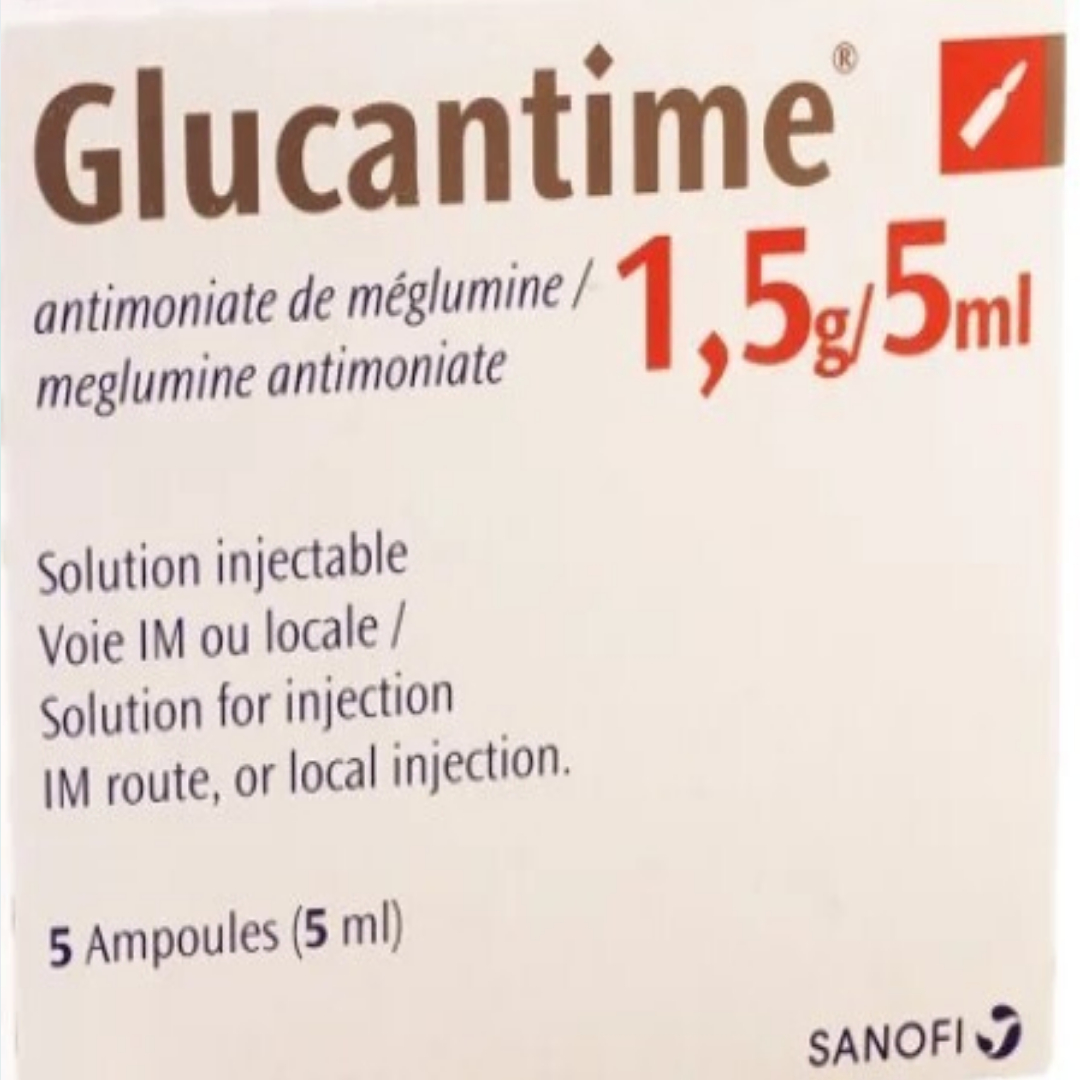
Meglumine Antimoniate: Glucantime – ALNASREEN 0321-2252087: A Comprehensive Examination of its Use in Leishmaniasis Treatment
Understanding Leishmaniasis: A Parasitic Threat
Leishmaniasis represents a spectrum of parasitic diseases caused by protozoa belonging to the genus Leishmania. These parasites are transmitted to humans and other mammals through the bite of infected female phlebotomine sandflies. The disease manifests in various forms, primarily:
-
Visceral Leishmaniasis (VL), also known as Kala-azar: This is the most severe form, affecting internal organs such as the spleen, liver, and bone marrow. If left untreated, VL is almost invariably fatal. Symptoms include fever, weight loss, hepatosplenomegaly (enlargement of the liver and spleen), and pancytopenia (reduction in all blood cell types).
-
Cutaneous Leishmaniasis (CL): The most common form, CL causes skin sores, typically on exposed parts of the body like the face, arms, and legs. These lesions can vary in appearance, ranging from small papules to large, ulcerated sores. While usually self-healing in some regions, CL can cause significant scarring and disfigurement.
-
Mucocutaneous Leishmaniasis (MCL): This form, primarily found in South America, involves the mucous membranes of the nose, mouth, and throat. MCL can result from the spread of CL parasites or develop independently. It can be highly destructive, leading to severe disfigurement and functional impairment.
-
Post-Kala-azar Dermal Leishmaniasis (PKDL): A complication that occurs after successful treatment of VL, PKDL is characterized by skin lesions resembling those of CL. It is most prevalent in East Africa and the Indian subcontinent.
The geographical distribution of leishmaniasis is widespread, affecting parts of Africa, Asia, Europe, and the Americas. The risk of infection is influenced by factors such as environmental conditions, sandfly vector density, human behavior, and socioeconomic status.
Meglumine Antimoniate: A Cornerstone of Leishmaniasis Therapy
Meglumine antimoniate, often marketed under the brand name Glucantime, has been a mainstay in the treatment of leishmaniasis for decades. It is a pentavalent antimonial compound, meaning the antimony atom is in its +5 oxidation state. The precise mechanism of action of meglumine antimoniate remains incompletely understood, but several hypotheses have been proposed:
-
Inhibition of Parasite Metabolism: It is believed that meglumine antimoniate interferes with the energy metabolism of Leishmania parasites. Antimony may inhibit glycolytic enzymes, fatty acid oxidation, and other crucial metabolic pathways, ultimately leading to parasite death.
-
Disruption of DNA and RNA Synthesis: Some evidence suggests that meglumine antimoniate can disrupt the synthesis of DNA and RNA within the parasite. This interference with genetic material replication and transcription could contribute to the drug’s antileishmanial activity.
-
Modulation of the Host Immune Response: Meglumine antimoniate may also exert its effect by modulating the host’s immune response to Leishmania infection. It has been shown to stimulate the production of cytokines, such as interferon-gamma (IFN-γ), which are important for controlling parasite growth.
Chemical Composition and Formulation
Meglumine antimoniate is a complex organic salt of antimony. The chemical formula is C7H17NO5·Sb. The meglumine component is a sugar alcohol derivative, while the antimony component is responsible for the drug’s antileishmanial activity.
Glucantime is typically formulated as a sterile solution for intramuscular or intravenous injection. The solution contains meglumine antimoniate dissolved in water for injection. The concentration of the drug varies depending on the manufacturer and the specific formulation. It’s crucial to verify the concentration before administering the medication.
Dosage and Administration Guidelines
The dosage and duration of treatment with meglumine antimoniate depend on several factors, including:
-
Type of Leishmaniasis: Visceral leishmaniasis generally requires a longer and more intensive treatment regimen compared to cutaneous leishmaniasis. Mucocutaneous leishmaniasis may also require prolonged therapy.
-
Geographical Region: Parasite resistance to meglumine antimoniate varies geographically. Treatment protocols may need to be adjusted based on local resistance patterns.
-
Patient Age and Weight: Dosage is typically calculated based on the patient’s body weight (mg/kg). Children may require different dosages compared to adults.
-
Patient’s Overall Health: Patients with underlying medical conditions, such as kidney or heart disease, may require dose adjustments or alternative treatment options.
General Dosage Guidelines (These are indicative and should be verified with current treatment protocols):
-
Visceral Leishmaniasis: 20 mg/kg per day, administered intravenously or intramuscularly, for 28 days or longer, depending on the response.
-
Cutaneous Leishmaniasis: 20 mg/kg per day, administered intravenously or intramuscularly, for 20 days. Local infiltration of the lesion may also be used in some cases.
-
Mucocutaneous Leishmaniasis: 20 mg/kg per day, administered intravenously or intramuscularly, for 28 days or longer, often requiring multiple courses.
Administration:
-
Intramuscular Injection: Administer deep intramuscularly into a large muscle mass, such as the gluteus maximus. Rotate injection sites to minimize local irritation.
-
Intravenous Injection: Administer slowly intravenously over a period of 5-10 minutes. Monitor the patient for signs of adverse reactions during and after the infusion.
Important Considerations:
-
Renal Function: Meglumine antimoniate is primarily excreted by the kidneys. Assess renal function before initiating treatment and monitor regularly during therapy. Dose adjustments may be necessary in patients with renal impairment.
-
Cardiac Function: Meglumine antimoniate can cause cardiac arrhythmias, particularly QT prolongation. Obtain an electrocardiogram (ECG) before starting treatment and monitor periodically during therapy. Use with caution in patients with pre-existing cardiac conditions or those taking other medications that prolong the QT interval.
-
Liver Function: Monitor liver function tests (LFTs) during treatment, as meglumine antimoniate can cause hepatotoxicity.
-
Pregnancy and Breastfeeding: Meglumine antimoniate is classified as a pregnancy category C drug. It should be used during pregnancy only if the potential benefit justifies the potential risk to the fetus. It is not known whether meglumine antimoniate is excreted in breast milk. Caution is advised when administering to breastfeeding women.
Potential Side Effects and Adverse Reactions
Meglumine antimoniate is associated with a range of potential side effects, some of which can be serious. Patients should be carefully monitored for adverse reactions during treatment.
Common Side Effects:
-
Local Pain and Inflammation at the Injection Site: This is a very common side effect, especially with intramuscular injections. Rotating injection sites and applying warm compresses can help alleviate discomfort.
-
Muscle and Joint Pain (Arthralgia and Myalgia): These are also frequently reported side effects. Pain relievers, such as acetaminophen or ibuprofen, may be used to manage the pain.
-
Gastrointestinal Disturbances: Nausea, vomiting, abdominal pain, and diarrhea are common. Anti-emetics and antidiarrheals may be prescribed to alleviate these symptoms.
-
Fatigue and Weakness: These are often experienced during treatment.
-
Headache: A common side effect that can usually be managed with over-the-counter pain relievers.
-
Loss of Appetite: This can contribute to weight loss.
Serious Adverse Reactions:
-
Cardiac Arrhythmias: QT prolongation, Torsades de Pointes, and other arrhythmias can occur. ECG monitoring is essential.
-
Hepatotoxicity: Elevated liver enzymes, jaundice, and liver damage can occur. Liver function tests should be monitored regularly.
-
Nephrotoxicity: Kidney damage and renal failure can occur. Renal function should be monitored.
-
Pancreatitis: Inflammation of the pancreas is a rare but serious side effect.
-
Bone Marrow Suppression: Anemia, leukopenia (low white blood cell count), and thrombocytopenia (low platelet count) can occur. Complete blood counts (CBCs) should be monitored regularly.
-
Hypersensitivity Reactions: Allergic reactions, including rash, itching, hives, angioedema (swelling of the face, lips, tongue, or throat), and anaphylaxis (a severe, life-threatening allergic reaction), can occur.
Drug Interactions
Meglumine antimoniate can interact with other medications, potentially increasing the risk of adverse effects or reducing its effectiveness.
-
Drugs that Prolong the QT Interval: Concurrent use with other drugs that prolong the QT interval, such as certain antiarrhythmics, antipsychotics, and antibiotics, should be avoided due to the increased risk of cardiac arrhythmias.
-
Nephrotoxic Drugs: Concurrent use with other nephrotoxic drugs, such as aminoglycoside antibiotics and nonsteroidal anti-inflammatory drugs (NSA

