

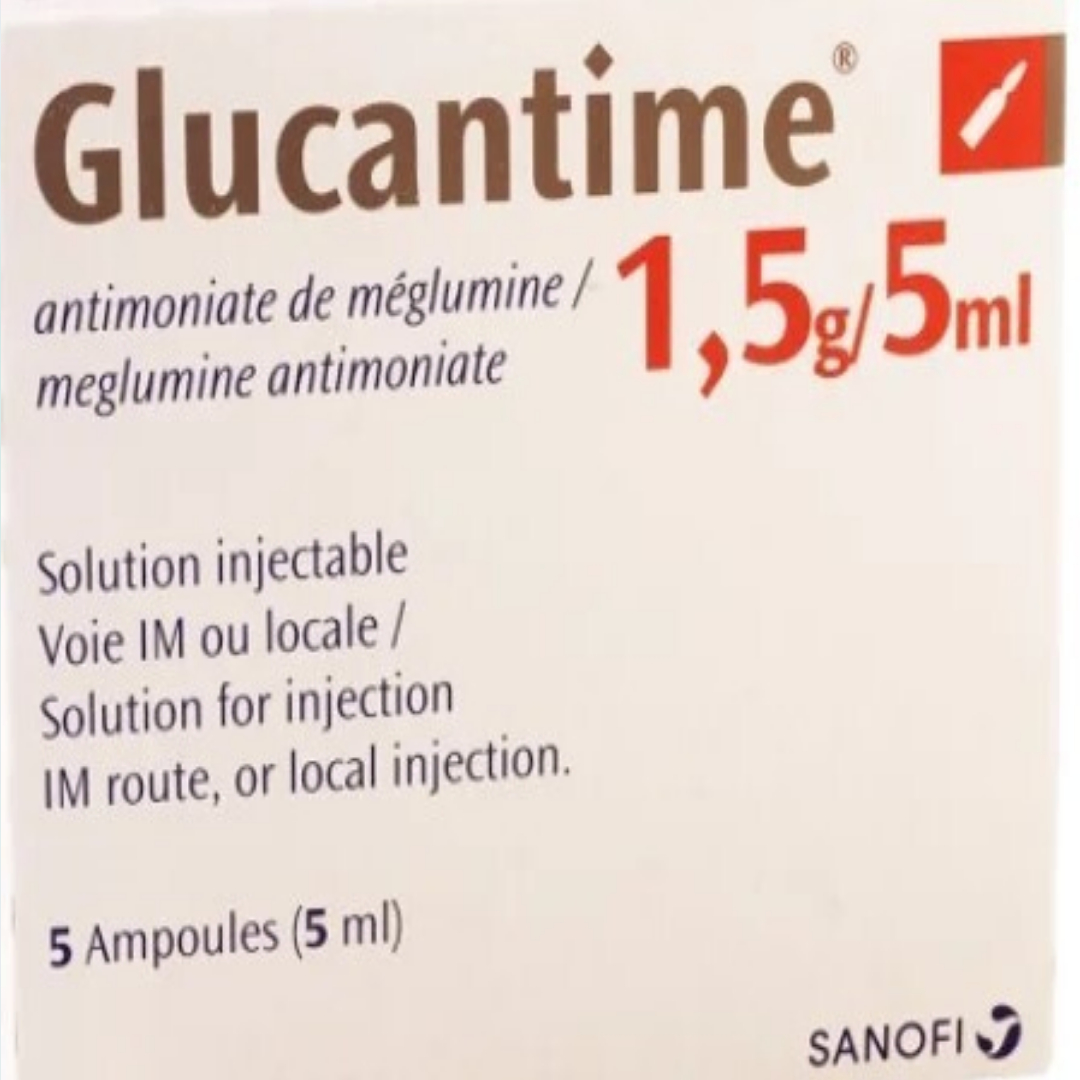
Glucantime 1.5G/5Ml – ALNASREEN 0321-2252087: A Comprehensive Guide to Understanding and Utilizing Meglumine Antimoniate
Meglumine antimoniate, commonly known under the brand name Glucantime (and as manufactured/distributed by entities like ALNASREEN, contactable at 0321-2252087 for specific product information), is an injectable medication primarily used in the treatment of leishmaniasis, a parasitic disease transmitted by sandflies. This detailed guide aims to provide a comprehensive understanding of Glucantime, covering its mechanism of action, indications, dosage, administration, potential side effects, contraindications, drug interactions, monitoring requirements, and considerations for specific patient populations. While this information is intended for educational purposes, it should not replace professional medical advice. Always consult with a qualified healthcare provider for diagnosis and treatment decisions.
Understanding Leishmaniasis: The Target of Glucantime
Leishmaniasis is a vector-borne disease caused by protozoan parasites of the genus Leishmania. It exists in various forms, each with distinct clinical manifestations:
-
Cutaneous Leishmaniasis (CL): The most common form, characterized by skin sores or ulcers at the site of the sandfly bite. These lesions can be single or multiple, and may heal spontaneously over time, leaving scars.
-
Visceral Leishmaniasis (VL), also known as Kala-azar: A more severe form that affects internal organs, primarily the spleen, liver, and bone marrow. VL can be fatal if left untreated. Symptoms include fever, weight loss, hepatosplenomegaly (enlargement of the liver and spleen), and anemia.
-
Mucocutaneous Leishmaniasis (MCL): A less common form that affects the mucous membranes of the nose, mouth, and throat. MCL can cause significant disfigurement and functional impairment.
The specific species of Leishmania parasite and the host’s immune response determine the type of leishmaniasis that develops. Glucantime is used to treat all three forms, although its efficacy may vary depending on the specific Leishmania species and the patient’s overall health.
Mechanism of Action: How Glucantime Fights Leishmania
The precise mechanism of action of meglumine antimoniate is not fully understood, but it is believed to involve several pathways that ultimately disrupt the parasite’s metabolism and survival. Key mechanisms include:
-
Inhibition of Glycolysis: Antimonial drugs like Glucantime interfere with glycolysis, a crucial metabolic pathway for energy production in Leishmania parasites. By inhibiting key enzymes in the glycolytic pathway, Glucantime reduces the parasite’s ability to generate ATP, its primary energy source.
-
Interference with Fatty Acid Metabolism: Glucantime affects the parasite’s fatty acid metabolism, which is essential for cell membrane synthesis and function. Disruption of fatty acid metabolism can lead to impaired cell membrane integrity and parasite death.
-
DNA and RNA Synthesis Inhibition: Some studies suggest that Glucantime may also inhibit DNA and RNA synthesis in Leishmania parasites, further contributing to their growth inhibition and eventual elimination.
-
Modulation of the Host Immune Response: While primarily acting on the parasite, Glucantime also appears to modulate the host’s immune response. It may enhance the activity of macrophages and other immune cells, promoting the clearance of parasites.
It’s important to note that the effectiveness of Glucantime can be influenced by factors such as the parasite strain, the patient’s immune status, and the duration of treatment.
Indications: When is Glucantime Prescribed?
Glucantime is primarily indicated for the treatment of leishmaniasis in its various forms:
-
Cutaneous Leishmaniasis (CL): Glucantime is a first-line treatment option for CL, particularly in cases with multiple lesions, lesions located in cosmetically sensitive areas (e.g., the face), or lesions caused by Leishmania species known to be resistant to other treatments.
-
Visceral Leishmaniasis (VL): Glucantime is a mainstay of treatment for VL, although alternative medications like liposomal amphotericin B or miltefosine may be preferred in certain situations, such as in patients with severe disease or those who are unresponsive to Glucantime.
-
Mucocutaneous Leishmaniasis (MCL): Glucantime is used to treat MCL, often in combination with other medications. MCL can be challenging to treat, and prolonged courses of Glucantime may be necessary.
The decision to use Glucantime and the specific treatment regimen should be made by a healthcare professional based on the individual patient’s clinical presentation, the Leishmania species involved, and other relevant factors.
Dosage and Administration: A Precise Regimen
Glucantime is administered via intramuscular (IM) or intravenous (IV) injection. The preferred route of administration and the dosage regimen vary depending on the type of leishmaniasis being treated, the patient’s weight, and other clinical factors.
-
Dosage: The typical dosage of Glucantime is 20 mg of antimony per kilogram of body weight per day. The dosage is calculated based on the antimony content of the Glucantime solution, which is usually expressed as mg Sb/mL. Therefore, careful calculation is essential to ensure accurate dosing.
-
Route of Administration:
-
Intramuscular (IM) Injection: IM injection is the most common route of administration. The injection should be given deep into a large muscle mass, such as the gluteus maximus or the vastus lateralis. Rotating injection sites is recommended to minimize local irritation and pain.
-
Intravenous (IV) Injection: IV injection may be preferred in patients with severe disease or those who cannot tolerate IM injections. IV administration should be done slowly, over a period of at least 5 minutes, to minimize the risk of adverse reactions.
-
-
Duration of Treatment: The duration of treatment with Glucantime varies depending on the type of leishmaniasis and the patient’s response to therapy.
-
Cutaneous Leishmaniasis (CL): Treatment duration typically ranges from 20 to 30 days.
-
Visceral Leishmaniasis (VL): Treatment duration is usually 28 days.
-
Mucocutaneous Leishmaniasis (MCL): Treatment duration may be longer, often extending to 30 days or more.
-
-
Preparation and Administration: Glucantime should be administered by a trained healthcare professional. The solution should be inspected for particulate matter or discoloration before administration. Strict aseptic technique should be used during preparation and administration to minimize the risk of infection.
Potential Side Effects: Monitoring and Management
Glucantime can cause a range of side effects, some of which can be serious. Patients receiving Glucantime should be closely monitored for adverse reactions, and appropriate management strategies should be implemented as needed. Common side effects include:
-
Local Reactions: Pain, swelling, and redness at the injection site are common. Rotating injection sites and applying warm compresses can help alleviate these symptoms.
-
Gastrointestinal Disturbances: Nausea, vomiting, abdominal pain, and diarrhea are frequently reported. Anti-emetics and other symptomatic treatments may be necessary.
-
Musculoskeletal Pain: Arthralgia (joint pain) and myalgia (muscle pain) are common. Pain relievers and physical therapy may be helpful.
-
Fatigue: Fatigue and weakness are frequently reported. Adequate rest and supportive care are important.
-
Cardiac Effects: Glucantime can cause electrocardiogram (ECG) changes, such as T-wave inversions and QT prolongation. In rare cases, it can lead to more serious cardiac arrhythmias. ECG monitoring is essential during treatment, and Glucantime should be used with caution in patients with pre-existing cardiac conditions.
-
Hepatotoxicity: Liver enzyme elevations are common. Liver function tests should be monitored regularly during treatment. In rare cases, Glucantime can cause severe liver damage.
-
Nephrotoxicity: Kidney function can be affected by Glucantime. Blood urea nitrogen (BUN) and creatinine levels should be monitored regularly.
-
Pancreatitis: Although rare, pancreatitis has been reported with Glucantime use. Patients should be monitored for signs and symptoms of pancreatitis, such as abdominal pain, nausea, and vomiting.
-
Hematologic Abnormalities: Anemia, leukopenia (low white blood cell count), and thrombocytopenia (low platelet count) can occur. Complete blood counts (CBCs) should be monitored regularly.
-
Hypersensitivity Reactions: Allergic reactions, including rash, itching, and anaphylaxis, can occur. Glucantime should be discontinued immediately if a severe allergic reaction develops.
Prompt recognition and management of side effects are crucial to ensure the safety and tolerability of Glucantime treatment.
Contraindications: When Glucantime Should Be Avoided
Glucantime is contraindicated in certain situations:
-
Hypersensitivity: Glucantime should not be used in patients with a known hypersensitivity to meglumine antimoniate or any of the other ingredients in the formulation.
-
Severe Cardiac Disease: Glucantime should be used with extreme caution in patients with severe cardiac disease

