

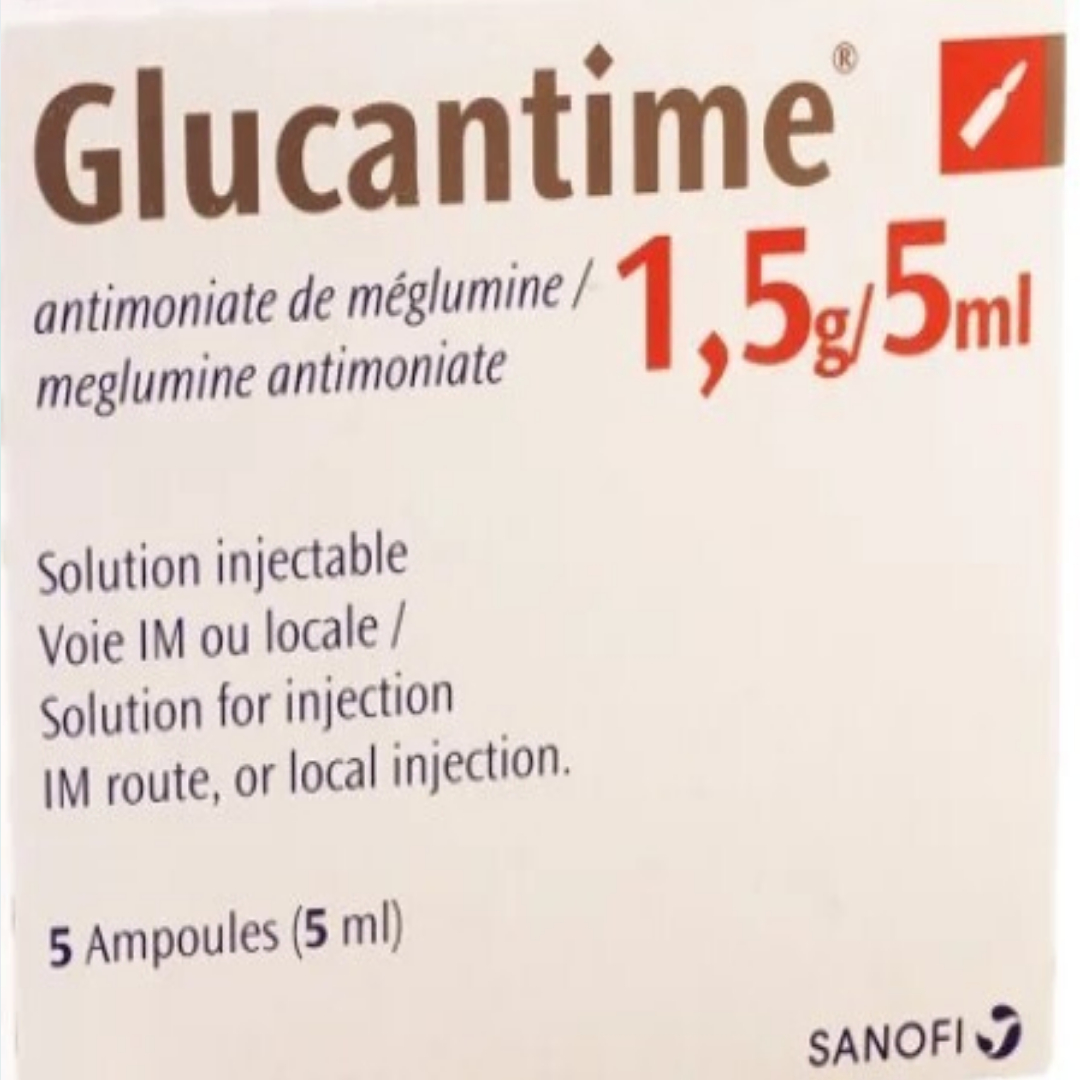
Glucantime Injection in Pakistan: A Comprehensive Guide to Availability, Use, and Considerations (ALNASREEN Pharma)
Understanding Leishmaniasis: The Target of Glucantime
Leishmaniasis, a neglected tropical disease, poses a significant public health challenge in Pakistan. Understanding the disease is crucial to appreciating the role and importance of Glucantime injection in its treatment. Leishmaniasis is caused by protozoan parasites of the genus Leishmania, transmitted to humans through the bite of infected female phlebotomine sandflies. The disease manifests in several forms, primarily:
-
Cutaneous Leishmaniasis (CL): The most common form, characterized by skin sores or ulcers, typically painless initially, but can become disfiguring and chronic. Pakistan reports a high burden of CL, particularly in certain regions.
-
Visceral Leishmaniasis (VL) or Kala-azar: A more severe form affecting internal organs, such as the spleen, liver, and bone marrow. VL is fatal if left untreated. While less prevalent than CL in Pakistan, it remains a serious concern in specific endemic areas.
-
Mucocutaneous Leishmaniasis (MCL): Affects the mucous membranes of the nose, mouth, and throat. This form is less common in Pakistan compared to South America.
The diagnosis of leishmaniasis typically involves microscopic examination of skin lesions (for CL), bone marrow aspirates (for VL), or serological tests. Accurate diagnosis is paramount for initiating appropriate treatment with Glucantime or alternative therapies.
Glucantime: The Cornerstone of Leishmaniasis Treatment
Glucantime, also known as meglumine antimoniate, is an antimonial drug that has been used for decades as the primary treatment for leishmaniasis. Its mechanism of action is complex and not fully understood, but it is believed to inhibit parasitic enzymes involved in energy production and DNA replication.
Glucantime is administered via intramuscular (IM) or intravenous (IV) injection. The specific dosage regimen and duration of treatment depend on the form of leishmaniasis, the severity of the infection, the patient’s age, weight, and overall health, and local treatment guidelines.
Glucantime Injection: Dosage and Administration Protocols
The standard dosage of Glucantime for leishmaniasis treatment generally falls within the range of 20 mg/kg to 30 mg/kg per day, administered for a specific duration as determined by a physician. It is crucial to adhere strictly to the prescribed dosage and administration schedule to ensure optimal therapeutic efficacy and minimize the risk of adverse effects.
-
Cutaneous Leishmaniasis (CL): Treatment typically involves daily IM or IV injections for 20-28 days. The response to treatment is monitored regularly, and the duration may be extended in cases of slow or incomplete healing. Local infiltration around the lesion is sometimes used in conjunction with systemic treatment.
-
Visceral Leishmaniasis (VL): Treatment requires a longer duration of therapy, usually 28 days or more, with daily IM or IV injections. Patients with VL require close monitoring due to the potential for serious complications.
Administration Guidelines:
-
Intramuscular (IM) Injection: Glucantime should be injected deep into a large muscle mass, such as the gluteus maximus (buttocks) or the vastus lateralis (thigh). Rotate injection sites to minimize local irritation and pain.
-
Intravenous (IV) Injection: Glucantime should be administered slowly via IV infusion over a period of at least 5 minutes. Monitor the patient closely for any signs of adverse reactions during the infusion.
Important Considerations:
-
Dilution: Glucantime is supplied as a concentrated solution and may require dilution with sterile water or normal saline prior to administration. Follow the manufacturer’s instructions carefully for proper dilution.
-
Storage: Glucantime should be stored at room temperature, protected from light and moisture. Do not use if the solution is discolored or contains particulate matter.
-
Contraindications: Glucantime is contraindicated in patients with known hypersensitivity to antimonials, severe renal or hepatic impairment, severe cardiac disease, and pregnancy.
ALNASREEN Pharma: Ensuring Access to Glucantime in Pakistan (0321-2252087)
ALNASREEN Pharma plays a vital role in the supply and distribution of essential medicines, including Glucantime injection, throughout Pakistan. Their commitment to providing quality pharmaceuticals ensures that healthcare providers and patients have access to the necessary medications for the treatment of leishmaniasis. ALNASREEN Pharma can be contacted at 0321-2252087 for inquiries regarding availability, pricing, and distribution of Glucantime in Pakistan.
Potential Side Effects and Adverse Reactions
While Glucantime is an effective treatment for leishmaniasis, it is associated with a range of potential side effects and adverse reactions. Healthcare providers must be aware of these potential risks and monitor patients closely during treatment.
Common Side Effects:
-
Pain and inflammation at the injection site: This is a frequent side effect, particularly with IM injections. Rotating injection sites and applying warm compresses can help alleviate discomfort.
-
Muscle pain (myalgia) and joint pain (arthralgia): These are common musculoskeletal side effects.
-
Fatigue and weakness: Patients may experience fatigue and weakness during treatment.
-
Headache: Headache is a relatively common side effect.
-
Loss of appetite and nausea: Gastrointestinal side effects are possible.
-
Elevated liver enzymes: Glucantime can affect liver function, leading to elevated liver enzymes. Regular monitoring of liver function tests is essential.
Serious Adverse Reactions:
-
Cardiotoxicity: Glucantime can cause cardiac arrhythmias, including QT prolongation, which can lead to potentially life-threatening complications. Electrocardiogram (ECG) monitoring is recommended before and during treatment, especially in patients with pre-existing cardiac conditions.
-
Nephrotoxicity: Glucantime can impair kidney function, leading to elevated creatinine levels and acute kidney injury. Monitoring of renal function tests is necessary.
-
Pancreatitis: Inflammation of the pancreas is a rare but serious adverse reaction.
-
Hypersensitivity reactions: Allergic reactions, including rash, itching, hives, and anaphylaxis, can occur.
-
Bone marrow suppression: Glucantime can suppress bone marrow function, leading to decreased blood cell counts (anemia, leukopenia, thrombocytopenia). Regular monitoring of complete blood counts (CBC) is recommended.
Drug Interactions:
Glucantime can interact with other medications, potentially increasing the risk of adverse effects or reducing its efficacy. It is crucial to inform your doctor about all medications you are taking, including prescription drugs, over-the-counter medications, and herbal supplements.
Specific drug interactions to be aware of include:
-
Drugs that prolong the QT interval: Concurrent use with drugs that prolong the QT interval (e.g., certain antiarrhythmics, antipsychotics, antibiotics) can increase the risk of cardiac arrhythmias.
-
Nephrotoxic drugs: Concurrent use with nephrotoxic drugs (e.g., aminoglycoside antibiotics, nonsteroidal anti-inflammatory drugs (NSAIDs)) can increase the risk of kidney damage.
Monitoring and Management of Side Effects
Close monitoring is essential during Glucantime treatment to detect and manage potential side effects and adverse reactions. Monitoring should include:
-
Regular physical examinations: To assess the patient’s overall condition.
-
Electrocardiograms (ECGs): To monitor cardiac function and detect arrhythmias.
-
Liver function tests (LFTs): To assess liver function.
-
Renal function tests (RFTs): To assess kidney function.
-
Complete blood counts (CBCs): To monitor blood cell counts.
-
Amylase and lipase levels: To detect pancreatitis.
Management of side effects may involve dose adjustments, symptomatic treatment, or discontinuation of Glucantime in severe cases.
Alternative Treatments for Leishmaniasis
While Glucantime remains a mainstay of treatment, alternative therapies are available, particularly for patients who are unresponsive to Glucantime, have contraindications to its use, or experience severe adverse effects.
Alternative treatments include:
-
Amphotericin B: An antifungal drug that is also effective against leishmania parasites. It is typically administered intravenously. Amphotericin B is often used for VL, especially in cases of Glucantime resistance or intolerance.
-
Miltefosine: An oral drug that has shown efficacy against both VL and CL. It is a more convenient option than injectable therapies but may be less effective in certain cases.
-
Paromomycin: An aminoglycoside antibiotic that can be used topically or intravenously for CL.
-
Liposomal Amphotericin B: A lipid-based formulation of amphotericin B that is less toxic than conventional amphotericin B. It is often used for VL.
The choice of treatment depends on various factors, including the form of leishmaniasis, the severity of the infection, the patient’s overall health, and the availability of medications.
Public Health Implications and Prevention Strategies
Leishmaniasis is a significant public health problem in Pakistan, particularly in certain regions. Control and prevention efforts are essential to reduce the burden of the disease.
Prevention strategies include:
- Vector control: Measures to reduce the population of sandflies, such as insecticide spraying, use

