

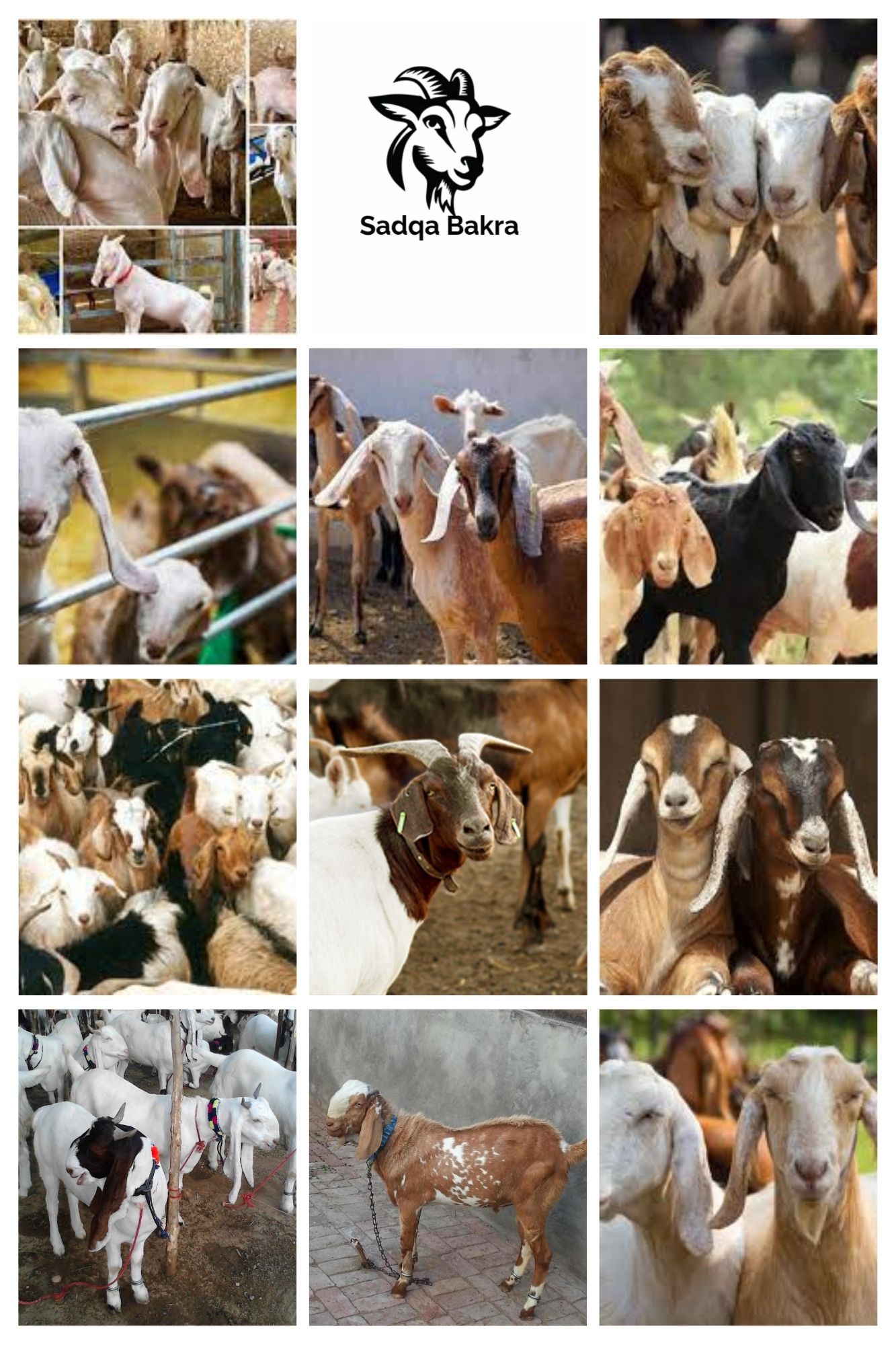
Aqeeqah Ceremony Donation: The Nuances of Aqiqah Sacrifice and Charitable Giving
The Aqeeqah ceremony, a Sunnah practice in Islam, marks the joyous occasion of a child’s birth with gratitude to Allah (SWT). It involves the sacrifice of an animal, typically a sheep or goat, and the distribution of its meat among family, friends, and the needy. In contemporary society, the option of donating the equivalent value of the Aqeeqah animal to charitable causes has emerged, raising questions about its permissibility and the specific guidelines surrounding it. This article delves into the intricate details of Aqeeqah sacrifice, examining the traditional practices, the arguments for and against monetary donation, and the ethical considerations involved in fulfilling this significant Islamic tradition.
Understanding the Core Principles of Aqeeqah
Aqeeqah, derived from the Arabic word meaning “to cut” or “to break,” symbolizes the cutting of ties between the newborn and hardship or evil influences. It is a celebration of the child’s arrival and a manifestation of thankfulness to Allah for the blessing of offspring. The primary components of Aqeeqah are:
- Sacrifice: The ritual slaughter of an animal, typically a sheep or goat for a girl and two for a boy, although one is permissible for both. The animal must meet specific criteria, including being free from defects and of a certain age.
- Distribution of Meat: The meat is traditionally divided into three portions: one for the family, one for relatives and friends, and one for the poor and needy. This distribution fosters community bonding and reinforces the spirit of charity.
- Shaving the Head: The newborn’s head is shaved, and the weight of the hair in silver is given in charity. This act symbolizes purification and the relinquishment of worldly attachments.
- Naming the Child: The Aqeeqah ceremony is often the occasion for formally announcing the child’s name.
The Prophet Muhammad (PBUH) emphasized the importance of Aqeeqah, stating, “Every child is mortgaged by his Aqeeqah. Slaughtering should be done for him on his seventh day, his head should be shaved, and he should be given a name” (Abu Dawud). This hadith highlights the significance of performing Aqeeqah as a means of seeking Allah’s blessings for the child and strengthening the bonds of community.
The Centrality of Sacrifice in Islamic Rituals
Sacrifice holds a prominent place in Islamic rituals, exemplified by Qurbani during Eid al-Adha. The act of sacrificing an animal is not merely a symbolic gesture; it is a tangible expression of devotion, submission, and gratitude to Allah. The Quran states, “It is neither their meat nor their blood that reaches Allah, but it is piety from you that reaches Him” (Al-Hajj 22:37). This verse emphasizes that the essence of sacrifice lies in the sincere intention and the willingness to offer something valuable in the path of Allah.
The sacrifice in Aqeeqah, like Qurbani, is seen as a means of drawing closer to Allah and seeking His favor. The act of sharing the meat with others, particularly the less fortunate, embodies the spirit of compassion and social responsibility that is central to Islamic teachings.
The Debate Surrounding Monetary Donation in Lieu of Sacrifice
The question of whether donating the monetary equivalent of the Aqeeqah animal is permissible has been a subject of scholarly debate. The majority of classical Islamic scholars maintain that the primary obligation of Aqeeqah is the sacrifice of an animal, and that monetary donation is not a valid substitute. Their arguments are based on the following points:
- Explicit Textual Evidence: The hadiths concerning Aqeeqah explicitly mention the slaughter of an animal. There is no mention of monetary donation as an alternative.
- Analogy to Qurbani: Scholars often draw an analogy to Qurbani, where the sacrifice of an animal is considered an essential act of worship that cannot be replaced by monetary donation.
- Preservation of Sunnah: Adhering to the traditional practice of sacrifice ensures the preservation of the Sunnah and its inherent blessings.
However, a minority of contemporary scholars argue that in certain circumstances, monetary donation may be permissible, particularly if it serves a greater purpose or addresses a pressing need. Their arguments are based on the following considerations:
- Spirit of Aqeeqah: They argue that the underlying spirit of Aqeeqah is to express gratitude to Allah and to benefit others. If donating the money can achieve these goals more effectively, it may be considered permissible.
- Contextual Considerations: In situations where access to suitable animals is difficult or impossible, or where the cost of the animal is exorbitant, donating the money to a worthy cause may be a more practical and beneficial option.
- Benefit to the Needy: They argue that the monetary value of the animal could be used to address more pressing needs of the poor, such as providing food, shelter, or medical care.
Arguments Against Monetary Donation
The arguments against replacing the sacrifice with monetary donation are deeply rooted in the understanding of Islamic jurisprudence and the importance of adhering to the established Sunnah. These arguments emphasize the following points:
- Literal Interpretation of Texts: The primary argument rests on the literal interpretation of the hadiths pertaining to Aqeeqah. These texts explicitly mention the slaughter of an animal, without providing any alternative option of monetary donation. Scholars who uphold this view emphasize the importance of adhering to the specific instructions given by the Prophet Muhammad (PBUH).
- Distinction between Acts of Worship: Islamic jurisprudence distinguishes between acts of worship that are considered ta’abbudi (purely devotional) and those that are ma’qul al-ma’na (rationally understandable). Ta’abbudi acts are performed solely because Allah has commanded them, without necessarily understanding the underlying wisdom. Sacrifice, in this view, is considered a ta’abbudi act, and therefore, cannot be altered based on personal reasoning.
- Loss of Symbolic Significance: Replacing the sacrifice with monetary donation diminishes the symbolic significance of the act. The slaughter of the animal represents a tangible expression of gratitude and a willingness to offer something valuable in the path of Allah. This symbolic value is lost when the act is replaced with a simple monetary transaction.
- Potential for Neglect: Allowing monetary donation as a substitute for sacrifice could lead to the neglect of the Sunnah altogether. People may be tempted to opt for the easier option of donating money, rather than undertaking the effort and expense of performing the sacrifice.
- Weakening of Community Bonds: The traditional practice of distributing the meat of the Aqeeqah animal fosters community bonding and strengthens social ties. This aspect is weakened when the sacrifice is replaced with monetary donation, as the opportunity for sharing and interaction is lost.
- Risk of Improper Utilization: There is a risk that the donated money may not be utilized properly or may not reach the intended beneficiaries. Ensuring the proper distribution of meat from the sacrificed animal is generally easier to control and monitor.
Arguments in Favor of Monetary Donation (With Caveats)
While the majority opinion favors the actual sacrifice, some scholars offer conditional permissibility for monetary donation under specific circumstances. These arguments are not intended to replace the Sunnah but to provide flexibility in situations where adherence to the traditional practice is genuinely difficult or impossible. The key arguments are:
- Prioritization of Need: In situations where there is extreme poverty or famine, donating the monetary equivalent of the animal to provide food, shelter, or medical care to those in need may be considered a more pressing obligation. This argument is based on the principle of prioritizing the most urgent needs of the community.
- Accessibility and Feasibility: If access to suitable animals is difficult or impossible, particularly in certain geographical locations or during times of conflict, donating the money to a reputable charity that can provide relief to those in need may be a viable alternative.
- High Cost and Waste: In cases where the cost of the animal is exorbitant, and there is a risk of the meat being wasted due to lack of proper storage or distribution, donating the money to a cause that will benefit the community in a more sustainable way may be considered permissible.
- Intention and Sincerity: The permissibility of monetary donation, according to these scholars, is contingent upon the intention being pure and sincere. The donor must genuinely believe that donating the money will be more beneficial to the community than performing the sacrifice.
- Local Custom and Context: Some scholars also consider the local custom and context when determining the permissibility of monetary donation. If the local community generally accepts and approves of monetary donation in lieu of sacrifice, it may be considered permissible, provided that the other conditions are met.
- Delegation to a Trustworthy Organization: If one chooses to donate the equivalent amount, it’s crucial to delegate this responsibility to a trustworthy Islamic organization that understands the nuances of Aqeeqah and ensures the funds are used in a manner that aligns with Islamic principles. This organization should prioritize fulfilling the spirit of Aqeeqah by addressing the needs of the poor and vulnerable.
Ethical Considerations in Aqeeqah Donation
Regardless of whether one chooses to perform the traditional sacrifice or donate the monetary equivalent, several ethical considerations must be taken into account:
- Intention (Niyyah): The intention behind the act must be pure and sincere, solely for the sake of Allah. The donor should not be motivated by ostentation or a desire to impress others.
- Quality of the Animal: If performing the sacrifice, the animal must be of good quality and free from defects. It should be treated with respect and slaughtered in a humane manner.
- Proper Distribution: The meat should be distributed fairly and

