

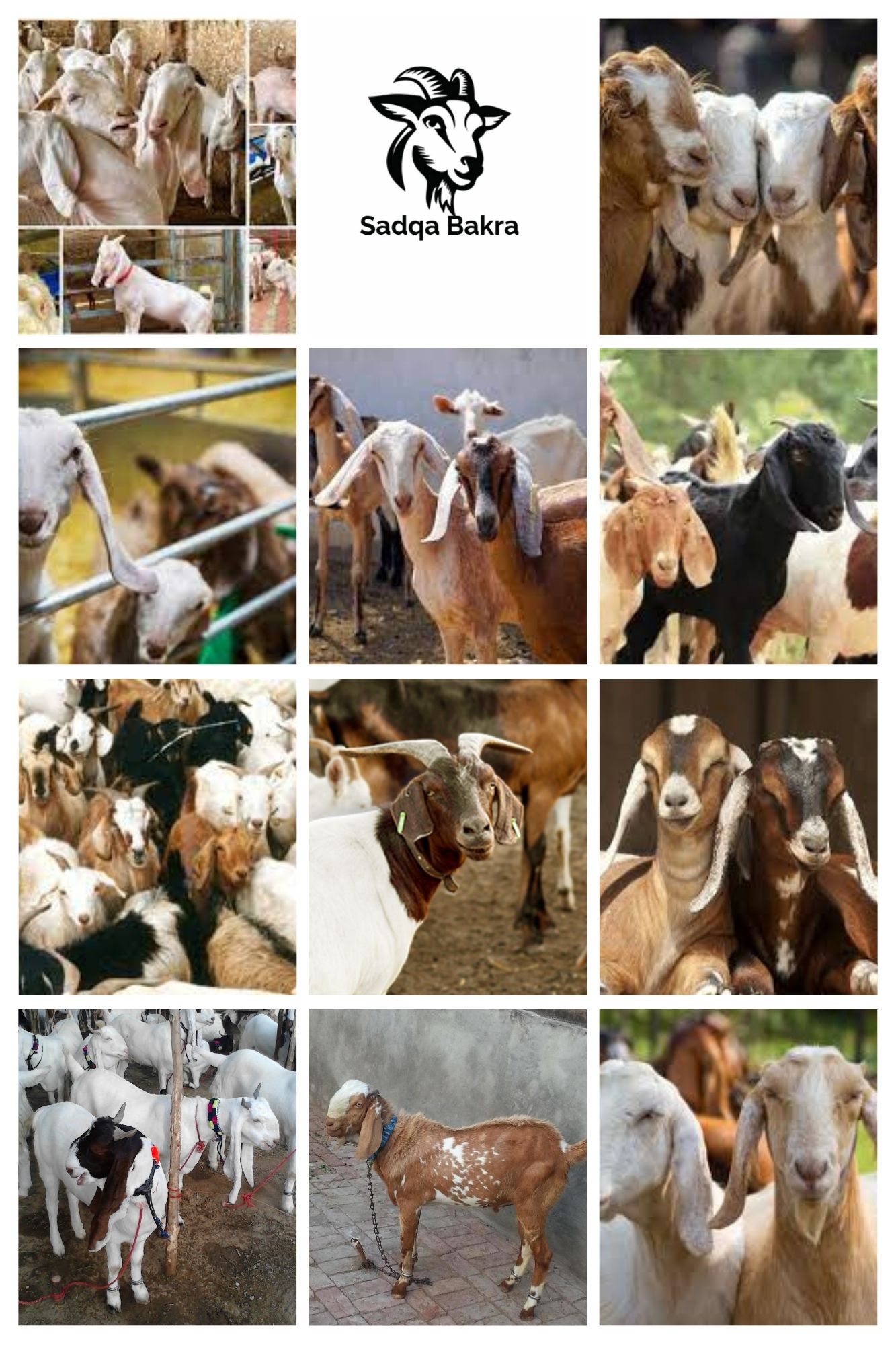
Understanding Aqiqah: A Sacred Islamic Tradition
Aqiqah, a deeply rooted Islamic tradition, is the sacrifice of an animal, typically a goat or sheep, to celebrate the birth of a child. This act of worship expresses gratitude to Allah (SWT) for the blessing of a newborn and serves as a means of sharing joy and provisions with the community, particularly the less fortunate. The practice is based on the Prophetic Sunnah (teachings and practices of Prophet Muhammad, peace be upon him) and carries significant spiritual and social weight within Muslim communities worldwide.
The term “Aqiqah” itself refers to the hair of the newborn, which is shaved on the seventh day after birth, symbolizing a fresh start and purity. The sacrifice is performed around the same time, further reinforcing the connection between the child’s arrival and an act of devotion. The meat from the sacrificed animal is then distributed among family, friends, neighbors, and the poor, fostering a sense of community and shared celebration.
The Islamic rulings regarding Aqiqah are generally considered Sunnah Mu’akkadah, meaning a highly recommended practice. While not obligatory, performing Aqiqah is strongly encouraged for those who are able to afford it. The rationale behind this recommendation lies in its multifaceted benefits, including expressing gratitude, strengthening family bonds, supporting the needy, and seeking blessings for the newborn’s well-being and future.
The specific requirements for the animal chosen for Aqiqah are similar to those for Eid al-Adha sacrifices. The animal must be healthy, free from significant defects, and of a certain age. Typically, a goat or sheep must be at least six months old, while cattle must be at least two years old. The slaughtering process must also adhere to Islamic guidelines, ensuring the animal is treated with respect and that the slaughter is performed in a humane manner by a qualified individual.
The distribution of the Aqiqah meat is also an important aspect of the tradition. Ideally, the meat should be divided into three portions: one for the immediate family, one for relatives and friends, and one for the poor and needy. This distribution ensures that the blessings of the Aqiqah are shared widely and that the less fortunate are included in the celebration.
In contemporary society, particularly with increasing globalization and diverse living arrangements, performing Aqiqah can present logistical challenges for some families. This has led to the emergence of services that facilitate Aqiqah on behalf of individuals, often in locations where the need is greatest and the impact can be most significant. These services, like those offered by ALNASREEN, provide a convenient and reliable way for Muslims to fulfill this important religious obligation, regardless of their geographical location or personal circumstances.
ALNASREEN: Facilitating Aqiqah with Integrity and Compassion
ALNASREEN is an organization dedicated to facilitating the performance of Aqiqah according to Islamic principles, with a focus on transparency, ethical sourcing, and delivering aid to those most in need. They operate in various regions around the world, carefully selecting locations where Aqiqah sacrifices can have a tangible and positive impact on impoverished communities.
Their approach is rooted in a commitment to providing a reliable and trustworthy service that adheres to the highest standards of Islamic ethics and animal welfare. They work closely with local partners to ensure that the animals are sourced responsibly, that the slaughtering process is conducted humanely, and that the meat is distributed effectively to those who are truly deserving.
One of the key aspects of ALNASREEN’s operation is their commitment to transparency. They provide detailed information about their processes, including the sourcing of animals, the slaughtering methods, and the distribution of meat. They also offer donors the opportunity to track their Aqiqah and receive updates on the impact of their contribution. This level of transparency builds trust and ensures that donors can be confident that their donation is being used in accordance with Islamic principles and their own intentions.
ALNASREEN also places a strong emphasis on ethical sourcing. They work with local farmers and suppliers who adhere to humane animal husbandry practices. This ensures that the animals are treated with respect and dignity throughout their lives, reflecting the Islamic values of compassion and kindness towards all living creatures.
Furthermore, ALNASREEN’s distribution network is carefully designed to reach those who are most in need. They work with local community leaders and organizations to identify individuals and families who are struggling with poverty and food insecurity. This ensures that the Aqiqah meat is distributed effectively and that it makes a real difference in the lives of those who receive it.
The organization offers a range of Aqiqah packages to suit different budgets and preferences. Donors can choose the type of animal they wish to sacrifice, as well as the location where they would like the Aqiqah to be performed. They also provide options for customizing the distribution of the meat, allowing donors to specify whether they would like it to be given to orphans, widows, or other vulnerable groups.
By providing a comprehensive and ethical Aqiqah service, ALNASREEN enables Muslims around the world to fulfill this important religious obligation with confidence and peace of mind, knowing that their contribution is making a positive impact on the lives of those who are less fortunate.
The Benefits of Donating Your Aqiqah Online
In today’s interconnected world, donating your Aqiqah online offers a convenient and efficient way to fulfill this sacred obligation. It removes geographical barriers and provides access to reputable organizations like ALNASREEN, who can ensure the Aqiqah is performed according to Islamic guidelines and that the benefits reach those who need it most.
One of the primary benefits of donating online is convenience. With just a few clicks, you can arrange for your Aqiqah to be performed without having to worry about the logistics of sourcing an animal, arranging for its slaughter, and distributing the meat. This is particularly beneficial for those who live in areas where it is difficult to access suitable animals or who lack the time and resources to manage the process themselves.
Online platforms also offer a wider range of options and flexibility. You can choose the type of animal you wish to sacrifice, the location where you would like the Aqiqah to be performed, and the beneficiaries who will receive the meat. This allows you to tailor your donation to your specific preferences and to ensure that it aligns with your values and priorities.
Furthermore, donating online provides greater transparency and accountability. Reputable organizations like ALNASREEN provide detailed information about their processes, including the sourcing of animals, the slaughtering methods, and the distribution of meat. They also offer donors the opportunity to track their Aqiqah and receive updates on the impact of their contribution. This level of transparency builds trust and ensures that donors can be confident that their donation is being used responsibly and effectively.
Another significant advantage of donating online is the ability to reach communities in need around the world. Organizations like ALNASREEN operate in various regions where poverty and food insecurity are prevalent. By donating through these platforms, you can ensure that your Aqiqah benefits those who are most vulnerable and that it makes a tangible difference in their lives.
In addition to the practical benefits, donating your Aqiqah online can also be a deeply rewarding spiritual experience. Knowing that you are fulfilling a sacred obligation and that your contribution is helping to alleviate suffering and bring joy to others can bring a sense of peace and fulfillment. It is a way of expressing your gratitude to Allah (SWT) for the blessing of your child and of sharing your blessings with those who are less fortunate.
However, it is crucial to exercise caution when donating your Aqiqah online. It is important to choose a reputable organization that is transparent, accountable, and committed to ethical practices. Research the organization thoroughly, read reviews, and check their credentials before making a donation. Ensure that they adhere to Islamic guidelines for animal welfare and that they have a proven track record of distributing aid effectively to those in need.
By carefully selecting a trustworthy online platform, you can ensure that your Aqiqah is performed according to Islamic principles and that it makes a meaningful contribution to the well-being of others.
Ensuring Ethical and Halal Practices in Online Aqiqah Donations
When choosing to donate your Aqiqah online, ensuring that the organization adheres to ethical and Halal practices is paramount. This involves verifying their commitment to animal welfare, adherence to Islamic slaughtering guidelines, and transparency in their operations. A thorough investigation into these aspects will guarantee that your donation aligns with Islamic principles and contributes to a positive impact.
Firstly, animal welfare is a critical consideration. The organization should demonstrate a commitment to humane animal husbandry practices, ensuring that the animals are treated with respect and dignity throughout their lives. This includes providing them with adequate food, water, shelter, and healthcare. Inquire about the organization’s sourcing practices and whether they work with local farmers who adhere to ethical standards.
Secondly, adherence to Islamic slaughtering guidelines is essential. The slaughtering process must be performed by a qualified Muslim who is knowledgeable about Islamic rituals and procedures. The animal must be slaughtered swiftly and humanely, minimizing its suffering. The organization should be able to provide assurances that the slaughtering process is conducted in accordance with Islamic principles.
Thirdly, transparency in operations is crucial for building trust and ensuring accountability. The organization should be transparent about its processes, including the sourcing of animals, the slaughtering methods, and the distribution of meat. They should also provide donors with the opportunity to track their Aqiqah and receive updates on the impact of their contribution. Look for organizations that publish detailed reports on their activities and that are audited by reputable third-party organizations.
Furthermore, consider the organization’s reputation and track record. Read reviews from other donors and check their credentials with relevant regulatory bodies. Look for organizations that have a long history of providing ethical and reliable Aqiqah services.
In addition to these general guidelines, there are specific questions you can ask the organization to assess their adherence to ethical and Halal practices. These include:
- Where do you source your animals from

