

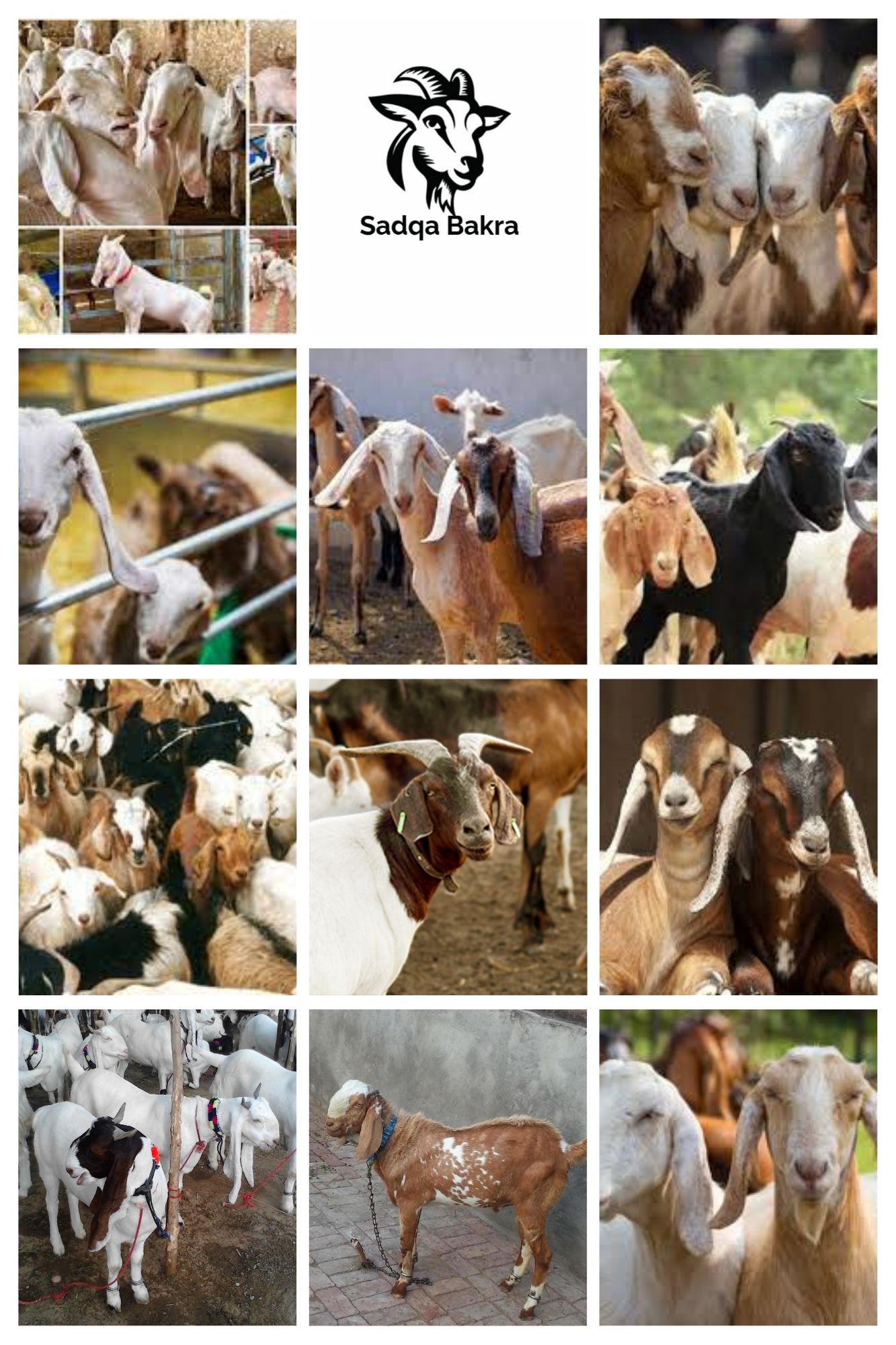
The Significance of Aqiqah in Islam: A Time of Gratitude and Sharing
Aqiqah, an Islamic tradition deeply rooted in Sunnah, is the sacrifice of an animal to celebrate the birth of a child. It’s a profound act of gratitude to Allah (SWT) for the blessing of a new life and an opportunity to strengthen community bonds through sharing and generosity. The Aqiqah ceremony typically involves slaughtering a sheep or goat (or two for a boy, according to some interpretations) and distributing the meat to family, friends, and those in need.
The practice of Aqiqah is based on the teachings and practices of Prophet Muhammad (PBUH). Numerous hadiths highlight its importance and benefits. It’s considered a Sunnah Mu’akkadah, a highly recommended practice. Performing Aqiqah is seen as a way to express joy and thankfulness for the newborn, and it’s believed to bring blessings to both the child and the parents.
The wisdom behind Aqiqah extends beyond mere celebration. It serves as a means of social welfare, ensuring that the less fortunate also partake in the joy of the occasion. By sharing the meat with the poor and needy, Aqiqah embodies the Islamic principles of compassion, charity, and community solidarity. It strengthens the bonds of brotherhood and sisterhood within the Muslim community and fosters a spirit of generosity and giving.
Furthermore, Aqiqah is seen as a form of protection for the child. Some scholars believe that it shields the child from harm and misfortune. It’s also considered a way to purify the child from any shortcomings or imperfections. The sacrifice is made in the name of Allah (SWT) and is intended to seek His blessings and protection for the newborn.
The timing of Aqiqah is also significant. It’s typically performed on the seventh day after the child’s birth, although it can be done later if necessary. On the same day, the child is also given a name and their head is shaved (although the shaving is not mandatory). The hair is then weighed, and silver or gold equivalent to its weight is given in charity. This act of charity further emphasizes the importance of giving back to the community and sharing one’s blessings with others.
In contemporary times, with the complexities of modern life, many Muslims find it challenging to perform Aqiqah individually, especially those living in diaspora communities or facing financial constraints. This is where organizations like Islamic Relief play a vital role, offering a convenient and reliable platform to fulfill this important religious obligation. By donating Aqiqah through Islamic Relief, individuals can ensure that their sacrifice reaches those most in need, maximizing the impact of their generosity and upholding the true spirit of this blessed tradition. The organization ensures that the Aqiqah is performed according to Islamic guidelines and that the meat is distributed to vulnerable communities around the world, extending the joy and blessings of the occasion to those who need it most.
Islamic Relief: Facilitating Aqiqah for a Global Impact
Islamic Relief is a globally recognized humanitarian organization dedicated to alleviating poverty and suffering around the world. With a presence in over 40 countries, Islamic Relief provides assistance to vulnerable communities affected by conflict, natural disasters, and chronic poverty. Their work encompasses a wide range of programs, including emergency relief, healthcare, education, and sustainable development.
One of the key services offered by Islamic Relief is facilitating the performance of Aqiqah on behalf of donors. This service provides a convenient and reliable way for Muslims around the world to fulfill this important religious obligation, ensuring that their sacrifice reaches those who need it most. Islamic Relief adheres strictly to Islamic principles and guidelines in performing Aqiqah, ensuring that the animals are slaughtered in a humane and ethical manner, and that the meat is distributed to eligible recipients.
Islamic Relief’s Aqiqah program is designed to be transparent and accountable. Donors receive detailed information about the process, including the location where the Aqiqah will be performed and the beneficiaries who will receive the meat. Regular updates and reports are provided to donors, allowing them to track the impact of their contribution. This transparency builds trust and ensures that donors can be confident that their donation is being used effectively to help those in need.
The impact of Islamic Relief’s Aqiqah program is far-reaching. By providing nutritious meat to vulnerable communities, the program helps to address food insecurity and improve the health and well-being of beneficiaries. In many regions where Islamic Relief operates, malnutrition is a significant problem, particularly among children. The Aqiqah meat provides a valuable source of protein and essential nutrients, helping to combat malnutrition and improve overall health outcomes.
Furthermore, the Aqiqah program provides economic benefits to local communities. Islamic Relief sources the animals for Aqiqah from local farmers and suppliers, supporting their livelihoods and contributing to the local economy. This approach helps to create sustainable economic opportunities and empower communities to become self-sufficient.
Islamic Relief’s Aqiqah program also promotes social cohesion and strengthens community bonds. By distributing the meat to families and individuals in need, the program fosters a sense of solidarity and compassion within the community. It provides an opportunity for people to come together and share in the joy of the occasion, regardless of their background or circumstances. This helps to build stronger, more resilient communities.
The organization has established robust quality control measures to ensure that the Aqiqah is performed according to the highest standards. This includes ensuring that the animals are healthy and meet the required criteria for sacrifice, that the slaughtering is performed by trained professionals, and that the meat is properly handled and stored. Islamic Relief also works closely with local partners and community leaders to ensure that the distribution of meat is fair and equitable.
In addition to its Aqiqah program, Islamic Relief offers a range of other services to support vulnerable communities around the world. These include providing emergency relief to victims of natural disasters and conflict, building schools and hospitals, providing access to clean water and sanitation, and supporting income-generating activities. Islamic Relief’s holistic approach to development addresses the root causes of poverty and empowers communities to build a better future for themselves.
How to Donate Aqiqah Through Islamic Relief: A Step-by-Step Guide
Donating Aqiqah through Islamic Relief is a simple and straightforward process. The organization offers a user-friendly online platform that allows donors to make their contribution securely and conveniently. Here’s a step-by-step guide on how to donate Aqiqah through Islamic Relief:
-
Visit the Islamic Relief Website: Navigate to the official Islamic Relief website. Look for the “Aqiqah” section, which is typically located under the “Donate” or “Zakat” section of the website.
-
Learn About the Aqiqah Program: Take some time to read about Islamic Relief’s Aqiqah program. This will provide you with information about the organization’s approach to performing Aqiqah, the beneficiaries who will receive the meat, and the impact of your donation.
-
Choose Your Aqiqah Option: Islamic Relief typically offers different Aqiqah options, depending on the type of animal and the location where the Aqiqah will be performed. Select the option that best suits your preferences and budget. Usually, options are presented for different regions or countries where the Aqiqah will be carried out.
-
Provide Your Details: You will be asked to provide your personal details, including your name, email address, and contact number. This information is used to process your donation and provide you with updates on the Aqiqah program.
-
Specify the Name of the Child: You will need to provide the name of the child for whom the Aqiqah is being performed. This information is used to make the intention (niyyah) during the sacrifice.
-
Make Your Payment: Islamic Relief offers a variety of payment options, including credit card, debit card, and online payment platforms. Choose your preferred payment method and follow the instructions to complete your donation.
-
Receive Confirmation: Once your payment has been processed, you will receive a confirmation email from Islamic Relief. This email will include details of your donation and a confirmation number.
-
Track Your Donation: Islamic Relief provides regular updates on the Aqiqah program, allowing you to track the impact of your donation. You may receive reports and photos showing the distribution of meat to beneficiaries.
-
Make Dua: After donating, make sincere dua (supplication) to Allah (SWT) for the child’s well-being and for the acceptance of your Aqiqah.
In addition to donating online, you can also donate Aqiqah through Islamic Relief by phone or by mail. Contact the organization’s customer service department for more information on these options.
Islamic Relief is committed to transparency and accountability in all of its operations. The organization publishes annual reports and financial statements, which are available on its website. This allows donors to see how their contributions are being used and to ensure that the organization is operating in a responsible and ethical manner.
By donating Aqiqah through Islamic Relief, you can be confident that your sacrifice will reach those who need it most and that it will be performed according to Islamic principles and guidelines. You will also be supporting Islamic Relief’s broader efforts to alleviate poverty and suffering around the world.
Ensuring Ethical and Halal Practices in Aqiqah: Islamic Relief’s Commitment
Islamic Relief places paramount importance on ensuring that all Aqiqah sacrifices are performed in accordance with Islamic principles and ethical standards. The organization adheres to strict guidelines to guarantee the halal nature of the meat and the humane treatment of animals. This commitment is deeply rooted in Islamic values of compassion, justice, and respect for all living beings.
One of the key aspects of ensuring halal practices is the selection of animals. Islamic Relief only uses animals that meet the criteria for sacrifice according to Islamic law. This includes ensuring

