

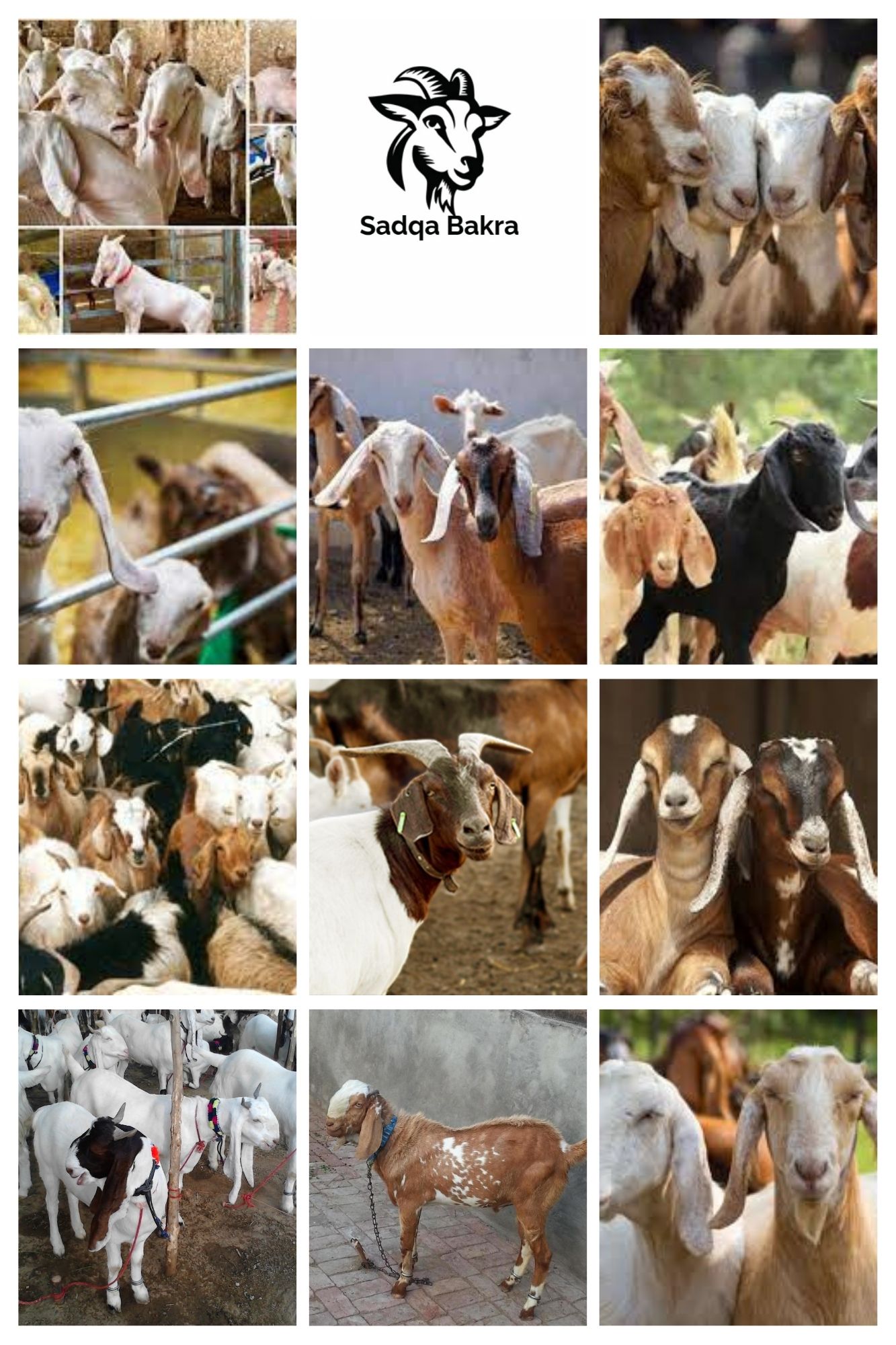
Aqiqah in Islam: Celebrating New Life Through Goat Sacrifice
Aqiqah, an Islamic tradition deeply rooted in Sunnah, marks the joyous occasion of the birth of a child. It is a celebration expressing gratitude to Allah (SWT) for the blessing of a newborn and involves the sacrifice of an animal, typically a goat or sheep, followed by a feast shared with family, friends, and the less fortunate. While not obligatory (fard), Aqiqah is highly recommended (Sunnah Mu’akkadah) and considered a significant act of worship, fostering community spirit and reinforcing the bonds of kinship.
The Significance of Sacrifice in Islam
The concept of sacrifice holds a profound significance in Islam, symbolizing obedience to Allah’s commands, gratitude for His blessings, and a willingness to part with something cherished in His name. It is a tangible expression of faith and a reminder of the sacrifices made by prophets throughout history. The most prominent example is the sacrifice of Prophet Ibrahim (Abraham), who was willing to sacrifice his beloved son, Ismail (Ishmael), in obedience to Allah’s command. This act of unwavering devotion is commemorated during Eid al-Adha, the Festival of Sacrifice.
Aqiqah, while distinct from the obligatory sacrifice of Eid al-Adha, shares the underlying principle of offering a sacrifice as an act of worship and thanksgiving. The sacrifice in Aqiqah is not intended as an atonement for sins but rather as a demonstration of gratitude for the gift of a child and a supplication for the child’s well-being, guidance, and righteous upbringing.
The Islamic Ruling on Aqiqah
The majority of Islamic scholars consider Aqiqah to be a strongly recommended Sunnah, based on numerous hadiths (sayings and actions of Prophet Muhammad, peace be upon him). These hadiths highlight the Prophet’s own practice of performing Aqiqah for his grandsons, Hasan and Hussein, and his encouragement to others to do the same.
-
Hadith Narrations: Several authentic hadiths emphasize the importance of Aqiqah. For example, a hadith narrated by Abu Dawud and Tirmidhi states, “For a boy, two sheep should be sacrificed, and for a girl, one sheep.” This hadith clearly indicates the recommended practice and differentiates between the sacrifice for a male and female child. Another hadith narrated by Imam Malik in his Muwatta states, “The Messenger of Allah (peace and blessings of Allah be upon him) commanded them to perform Aqiqah for a boy with two sheep and for a girl with one sheep.”
-
Scholarly Consensus (Ijma): While there might be minor differences in opinion regarding specific details, such as the timing or the permissibility of alternative forms of charity, there is a general consensus among Islamic scholars regarding the legitimacy and recommended nature of Aqiqah.
-
Benefits of Performing Aqiqah: Scholars highlight several benefits associated with performing Aqiqah, including:
- Expressing gratitude to Allah for the blessing of a child.
- Strengthening family and community bonds through the shared feast.
- Providing nourishment to the poor and needy.
- Seeking blessings and protection for the newborn.
- Following the Sunnah of the Prophet Muhammad (peace be upon him).
The Animal Sacrifice: Conditions and Requirements
The animal sacrificed for Aqiqah must meet specific criteria, similar to those required for animals sacrificed during Eid al-Adha. These conditions ensure that the sacrifice is carried out in a manner that is pleasing to Allah and beneficial to those who partake in the meat.
-
Type of Animal: The most commonly accepted animals for Aqiqah are goats and sheep. Some scholars also permit the sacrifice of cattle (cows or camels), but goats and sheep are generally preferred due to the specific mention in several hadiths.
-
Age of the Animal: The animal must have reached a certain age to be considered suitable for sacrifice. Generally, a goat or sheep should be at least six months old, while cattle should be at least two years old.
-
Health and Physical Condition: The animal must be healthy and free from any significant defects or blemishes. It should not be blind, lame, excessively thin, or suffering from any disease that would render its meat unfit for consumption. Minor imperfections are generally overlooked, but major defects that significantly impact the animal’s health or the quality of its meat are not permissible.
-
Slaughtering Method (Zabiha): The animal must be slaughtered according to Islamic guidelines, known as Zabiha. This involves making a swift and humane cut to the animal’s throat, severing the jugular veins, carotid arteries, and trachea. The slaughter must be performed by a Muslim who recites the name of Allah (Bismillah) before making the cut. The purpose of Zabiha is to ensure that the animal is slaughtered in a manner that minimizes suffering and allows for proper drainage of blood.
Distribution of the Meat
The meat from the Aqiqah sacrifice is typically divided into three portions:
-
One-third for the family: The family of the newborn child consumes a portion of the meat, allowing them to partake in the celebration and express their gratitude to Allah.
-
One-third for relatives and friends: A portion of the meat is distributed to relatives, friends, and neighbors, strengthening community bonds and sharing the joy of the newborn’s arrival.
-
One-third for the poor and needy: A significant portion of the meat is given to the poor and needy, ensuring that those less fortunate also benefit from the celebration. This act of charity is a fundamental aspect of Aqiqah, reflecting the Islamic emphasis on social justice and compassion.
While the distribution into thirds is a common practice, it is not strictly obligatory. The family has the flexibility to adjust the proportions based on their circumstances and the needs of their community. The primary objective is to ensure that the meat is distributed in a way that benefits as many people as possible, particularly those in need.
Timing of Aqiqah
The recommended time to perform Aqiqah is on the seventh day after the birth of the child. This is based on several hadiths that mention the Prophet’s practice of performing Aqiqah on the seventh day. If it is not possible to perform it on the seventh day, it can be performed on the fourteenth day, the twenty-first day, or any other suitable day thereafter.
Some scholars suggest that if Aqiqah is not performed by the parents before the child reaches puberty, the child may perform it for themselves when they are able to do so. However, this is a less common opinion, and the primary responsibility for performing Aqiqah lies with the parents.
Alternatives to Animal Sacrifice
While animal sacrifice is the traditional and preferred method of performing Aqiqah, some scholars permit alternative forms of charity in situations where animal sacrifice is not feasible or practical. These alternatives should be equivalent in value to the cost of the animal sacrifice and should be directed towards benefiting the poor and needy.
-
Feeding the Poor: Providing food to the poor and needy is a common alternative to animal sacrifice. This can involve donating money to a food bank, sponsoring a meal at a homeless shelter, or providing food packages to families in need. The value of the food provided should be equivalent to the cost of a goat or sheep.
-
Donating to Charity: Donating money to a reputable charity that provides essential services to the poor and needy is another acceptable alternative. The donation should be used to support programs that address poverty, hunger, or other pressing needs.
-
Supporting Orphans: Providing financial support to orphans is a particularly meritorious act of charity in Islam. Donating money to an orphanage or sponsoring an orphan’s education and well-being can be considered a valid alternative to animal sacrifice.
It is important to note that these alternatives should only be considered when animal sacrifice is genuinely not feasible. The primary intention should always be to fulfill the Sunnah of Aqiqah to the best of one’s ability, and animal sacrifice remains the preferred method whenever possible.
Contemporary Relevance of Aqiqah
In today’s world, Aqiqah continues to be a relevant and meaningful tradition for Muslims around the globe. It provides an opportunity to connect with one’s faith, celebrate the blessing of new life, and strengthen community bonds.
-
Preserving Tradition: Aqiqah helps preserve Islamic traditions and values, passing them down from one generation to the next. It reinforces the importance of family, community, and compassion in Islamic culture.
-
Supporting Local Economies: The practice of Aqiqah can contribute to local economies by supporting farmers and butchers who raise and slaughter the animals.
-
Addressing Food Insecurity: The distribution of meat from the Aqiqah sacrifice can help address food insecurity in impoverished communities, providing much-needed nourishment to those who struggle to access adequate food.
-
Promoting Social Harmony: Aqiqah promotes social harmony by bringing people together to celebrate and share in the joy of new life. It fosters a sense of unity and belonging within the Muslim community.
Common Misconceptions about Aqiqah
There are some common misconceptions surrounding Aqiqah that need to be addressed to ensure a proper understanding of this Islamic tradition.
-
Aqiqah is Obligatory (Fard): As mentioned earlier, Aqiqah is not obligatory (fard) but rather a strongly recommended Sunnah (Sunnah Mu’akkadah). While it is highly encouraged, it is not a sin to forgo it.
-
Aqiqah is only for Wealthy People: Aqiqah is recommended for anyone who has the means to perform it. However, Islam does not burden anyone beyond their

