

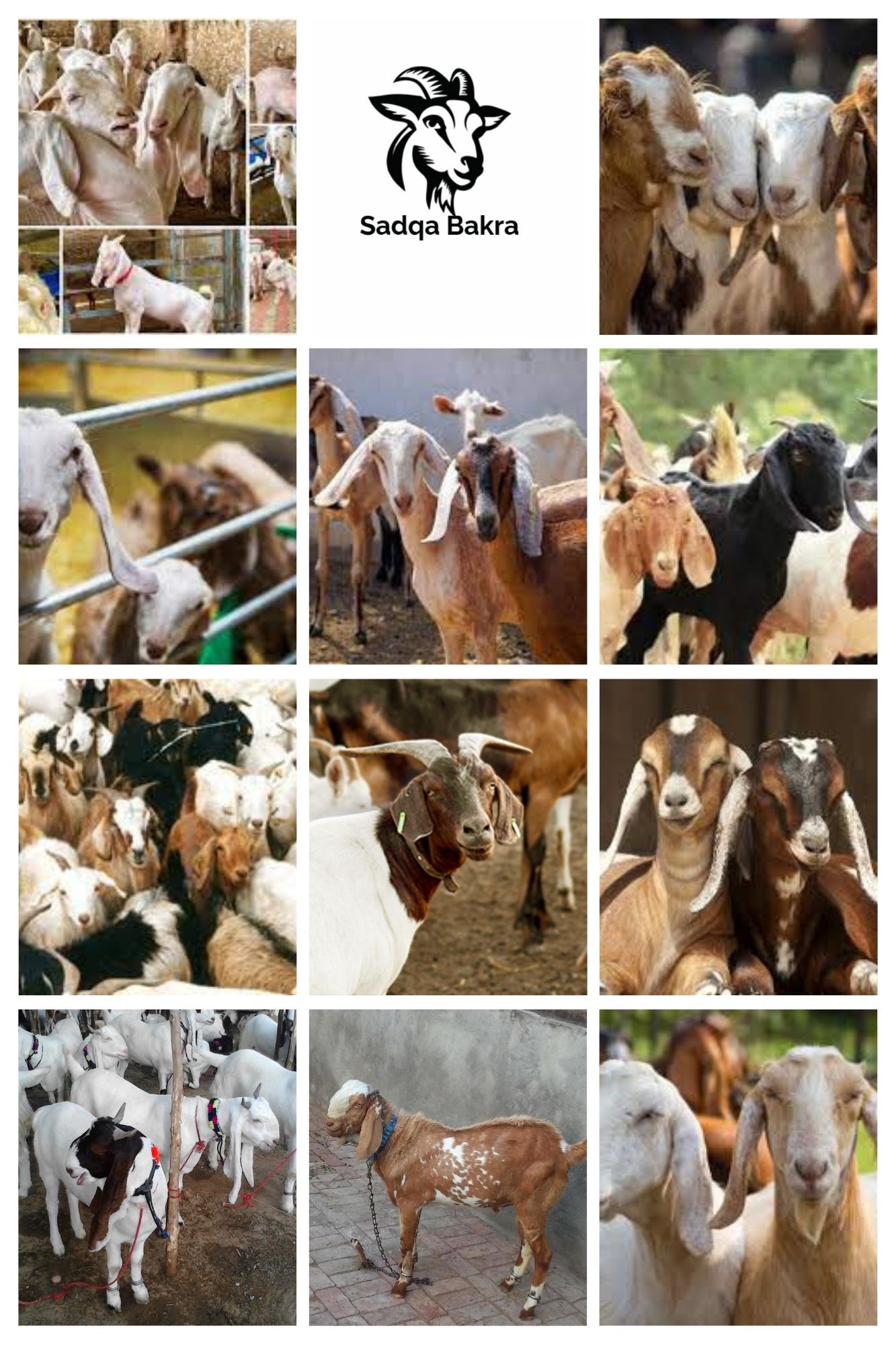
Donate Aqiqah Online: A Sacred Gift for Newborn Babies
Aqiqah, an Islamic tradition of celebrating the birth of a child with the sacrifice of an animal, holds profound significance in Muslim communities worldwide. Beyond its ritualistic aspect, Aqiqah embodies gratitude to Allah for the blessing of a newborn, strengthens familial bonds, and provides sustenance to those in need. In recent years, the advent of online platforms has revolutionized the way Aqiqah is performed, particularly through the option to donate Aqiqah online. This digital shift has broadened accessibility, enhanced efficiency, and facilitated the distribution of Aqiqah meat to a wider network of beneficiaries, especially in impoverished regions. This article delves into the multifaceted aspects of donating Aqiqah online, exploring its religious basis, practical considerations, ethical implications, and the transformative impact it has on both the giver and the receiver.
The Religious Foundation of Aqiqah
Aqiqah, rooted in the Sunnah (practices) of Prophet Muhammad (peace be upon him), is a highly recommended act in Islam. While not obligatory (wajib), it is considered a meritorious deed that brings blessings upon the newborn and their family. The Prophet (PBUH) himself performed Aqiqah for his grandsons, Hassan and Hussein. The primary purpose of Aqiqah is to express gratitude to Allah for the gift of a child and to celebrate their arrival into the world. It is a tangible manifestation of thankfulness and a way to seek Allah’s blessings for the child’s future.
Islamic scholars generally agree that Aqiqah should be performed on the seventh day after the child’s birth. If this is not possible, it can be performed on the 14th or 21st day, or at any point later in life. The sacrifice typically involves a sheep or goat for a girl and two sheep or goats for a boy, reflecting the societal norms prevalent during the time of the Prophet (PBUH). However, the specific number of animals is a matter of differing scholarly opinions, with some scholars suggesting that one animal is sufficient for both genders.
The meat from the Aqiqah sacrifice is traditionally divided into three portions: one portion for the immediate family, one portion for relatives and friends, and one portion for the poor and needy. This distribution ensures that the blessings of the Aqiqah are shared with the wider community, promoting social cohesion and alleviating poverty. The bones of the animal are usually buried respectfully, reflecting the Islamic emphasis on treating all living creatures with dignity.
The Evolution of Aqiqah: Embracing Technology
Traditionally, Aqiqah involved physically purchasing an animal, slaughtering it according to Islamic guidelines (Zabiha), and distributing the meat. This process could be time-consuming, logistically challenging, and potentially expensive, particularly for families living in urban areas or those with limited resources. The advent of online platforms has provided a convenient and efficient alternative, allowing individuals to donate Aqiqah online to reputable organizations that facilitate the entire process.
Online Aqiqah platforms typically partner with local communities and organizations in various countries, particularly those where livestock is readily available and where there is a significant need for food assistance. These organizations oversee the purchase of the animal, ensure that it is slaughtered according to Islamic rites, and distribute the meat to impoverished families, orphans, widows, and other vulnerable populations.
The rise of online Aqiqah donation has democratized the practice, making it accessible to a wider range of individuals, regardless of their geographical location or financial circumstances. It has also streamlined the process, eliminating the logistical complexities and time constraints associated with traditional Aqiqah. Furthermore, online platforms often provide transparency and accountability, allowing donors to track their donations and receive reports on the impact of their contribution.
The Mechanics of Donating Aqiqah Online
The process of donating Aqiqah online is typically straightforward and user-friendly. Most online platforms have a dedicated section for Aqiqah donations, where donors can select the type of animal they wish to sacrifice (e.g., sheep, goat), specify the gender of the child for whom the Aqiqah is being performed, and choose the location where they want the sacrifice to take place.
The platform will then provide information about the cost of the animal and the services included, such as slaughtering, distribution, and reporting. Donors can typically pay using various online payment methods, such as credit cards, debit cards, PayPal, and other secure payment gateways.
Once the donation is processed, the organization will arrange for the animal to be purchased and slaughtered in accordance with Islamic guidelines. The meat will then be distributed to beneficiaries in the designated location. Many organizations provide donors with photos or videos of the sacrifice and distribution, allowing them to witness the impact of their contribution firsthand.
It is crucial to choose a reputable and trustworthy organization when donating Aqiqah online. Look for organizations that are transparent about their operations, have a proven track record of delivering aid effectively, and adhere to strict ethical and Islamic principles. Check their website for information about their governance, financial accountability, and partnerships with local communities. Reading reviews and testimonials from other donors can also provide valuable insights into the organization’s credibility.
Ethical Considerations in Online Aqiqah Donation
While online Aqiqah donation offers numerous benefits, it is essential to consider the ethical implications and ensure that the process is conducted responsibly and ethically. One key consideration is ensuring that the animals are treated humanely throughout the entire process, from purchase to slaughter. Organizations should adhere to strict animal welfare standards and ensure that the animals are slaughtered according to Islamic guidelines (Zabiha), which emphasize minimizing pain and suffering.
Another important ethical consideration is transparency and accountability. Donors have a right to know how their donations are being used and to receive assurance that the meat is being distributed to those who are genuinely in need. Organizations should provide regular reports on their activities, including details about the number of animals sacrificed, the locations where the meat was distributed, and the number of beneficiaries who received assistance.
It is also important to ensure that the online platform is secure and protects the privacy of donors. The platform should use encryption technology to safeguard sensitive information, such as credit card details and personal contact information. The organization should also have a clear privacy policy that outlines how donor information will be used and protected.
Furthermore, the distribution of Aqiqah meat should be conducted in a fair and equitable manner, without discrimination based on race, religion, or ethnicity. The focus should be on reaching those who are most vulnerable and in need of assistance. The organization should also work closely with local communities to ensure that the distribution is culturally sensitive and respects local customs and traditions.
The Transformative Impact of Aqiqah on Beneficiaries
The impact of Aqiqah on the beneficiaries is profound and multifaceted. For impoverished families, Aqiqah meat provides a valuable source of protein and nutrition, helping to combat malnutrition and improve overall health. In many developing countries, access to meat is a luxury that many families cannot afford, making Aqiqah a lifeline for those struggling to meet their basic needs.
Aqiqah also brings joy and celebration to communities, especially during times of hardship. The distribution of meat is often accompanied by festivities and gatherings, fostering a sense of community and solidarity. It provides an opportunity for families to come together, share a meal, and celebrate the blessing of a newborn.
Beyond the immediate benefits of food assistance, Aqiqah can also have a long-term impact on the lives of beneficiaries. By providing nourishment and support, Aqiqah can help children grow up healthy and strong, enabling them to attend school and pursue their dreams. It can also empower families to break the cycle of poverty and build a better future for themselves.
Moreover, the act of receiving Aqiqah meat can instill a sense of hope and gratitude in the hearts of beneficiaries. It reminds them that they are not forgotten and that there are people who care about their well-being. This sense of connection and compassion can be transformative, inspiring them to overcome adversity and contribute to their communities.
Choosing the Right Online Aqiqah Platform
Selecting the right online platform for donating Aqiqah is crucial to ensure that your contribution is used effectively and ethically. Here are some key factors to consider when making your choice:
- Reputation and Credibility: Research the organization’s history, mission, and track record. Look for independent reviews and ratings from reputable sources. Check if the organization is registered as a charity and has a transparent governance structure.
- Transparency and Accountability: Ensure that the organization provides detailed information about its operations, including how donations are used, where the sacrifices are performed, and how the meat is distributed. Look for organizations that publish annual reports and financial statements.
- Animal Welfare Standards: Inquire about the organization’s animal welfare policies and practices. Ensure that the animals are treated humanely throughout the entire process, from purchase to slaughter. Look for organizations that adhere to Islamic guidelines for Zabiha (humane slaughter).
- Geographical Reach: Consider the organization’s geographical reach and the locations where they perform Aqiqah sacrifices. Choose an organization that operates in areas where there is a significant need for food assistance and where your donation can have the greatest impact.
- Community Engagement: Look for organizations that work closely with local communities and involve them in the distribution process. This ensures that the aid is culturally sensitive and meets the specific needs of the beneficiaries.
- Payment Security: Ensure that the online platform uses secure payment gateways and encryption technology to protect your financial information. Look for organizations that are PCI DSS compliant, which is a security standard for handling credit card information.
- Customer Service: Check if the organization provides responsive and helpful customer service. You should be able to easily contact them with any questions or concerns.
- Reporting and Feedback: Inquire about the organization’s reporting and feedback mechanisms. You should receive

