

Donate Aqiqah for a Boy or Girl Online: A Comprehensive Guide
The Aqiqah, a Sunnah act of sacrifice performed to celebrate the birth of a child, holds significant importance in Islamic tradition. It is a demonstration of gratitude to Allah (SWT) for the blessing of a newborn and an opportunity to share joy and sustenance with the community, particularly those in need. In today’s interconnected world, donating your Aqiqah online offers a convenient and impactful way to fulfill this religious obligation and extend its benefits to vulnerable populations globally. This article provides a detailed guide to understanding Aqiqah, exploring the rationale behind online donations, navigating the selection process, and ensuring the ethical and Sharia-compliant execution of your Aqiqah donation.
Understanding the Significance of Aqiqah
The Aqiqah is deeply rooted in Islamic teachings and traditions. The Prophet Muhammad (peace be upon him) emphasized its importance, stating, “With the boy there is an ‘Aqiqah, so slaughter (an animal) on his behalf and remove the harm from him.” (Bukhari). This hadith highlights the core principles of Aqiqah: expressing gratitude, seeking protection for the child, and sharing the blessings with others.
-
Religious Basis: The Aqiqah is considered a Sunnah Mu’akkadah, a highly recommended practice. While not obligatory (fard), its performance is strongly encouraged as a way of following the Prophet’s example and expressing devotion to Allah.
-
Spiritual Benefits: The Aqiqah is believed to bring blessings to the child and the family. It is a form of Sadaqah (charity) that seeks Allah’s protection and guidance for the newborn.
-
Social Impact: The Aqiqah fosters community bonding by providing food to the poor and needy. It is an act of social responsibility that strengthens the ties between families and contributes to the well-being of the less fortunate.
-
Symbolic Meaning: The sacrifice of an animal symbolizes a willingness to give up something of value for the sake of Allah and to share with others. It is a reminder of the blessings we receive and the importance of gratitude.
Aqiqah Rules and Guidelines:
Islamic jurisprudence outlines specific guidelines for performing the Aqiqah, ensuring its validity and adherence to Sharia principles.
-
Timing: The Aqiqah should ideally be performed on the seventh day after the child’s birth. However, it can be performed at any time after that, as soon as circumstances allow. Some scholars suggest performing it before the child reaches puberty.
-
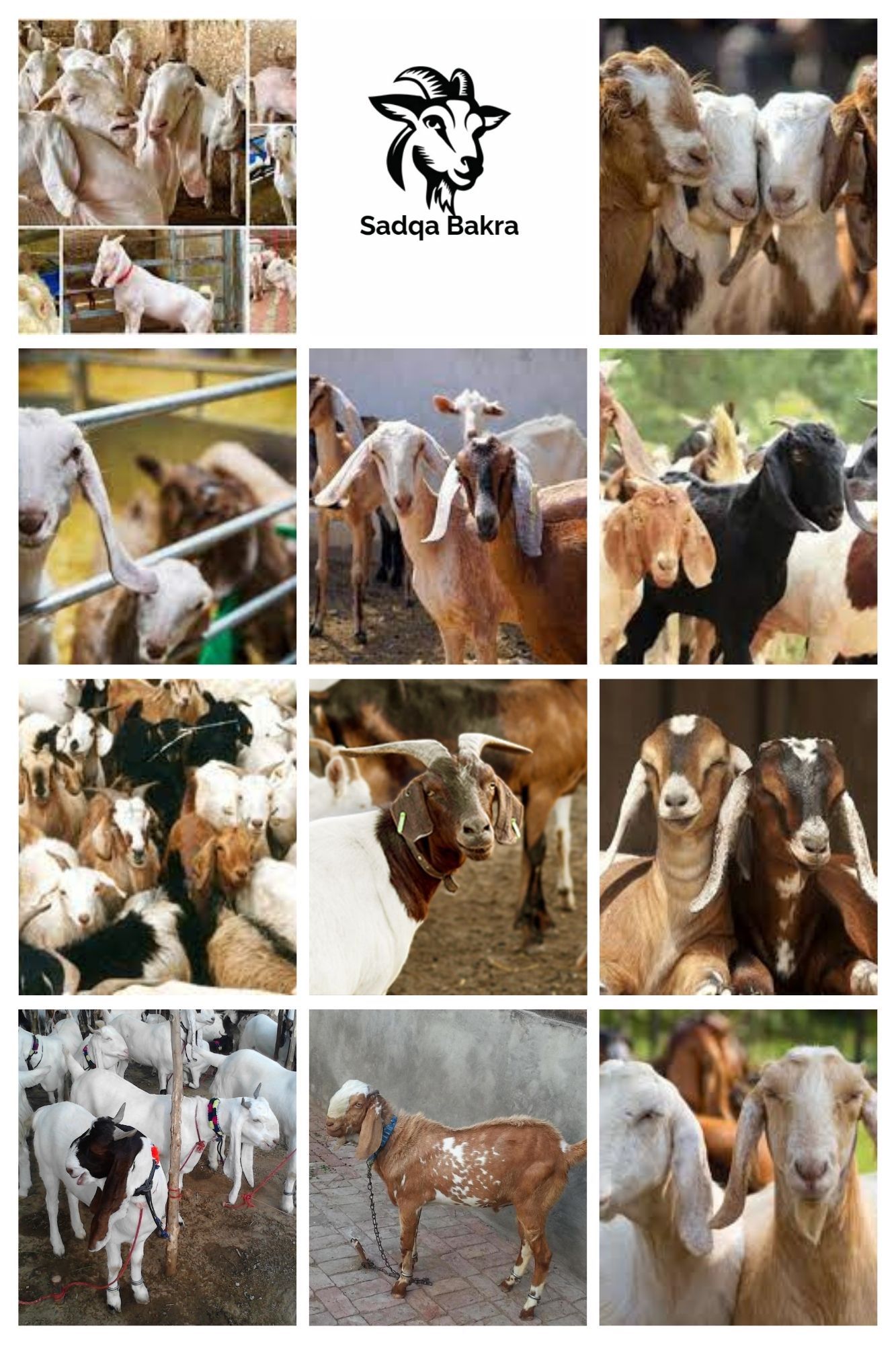
Animal Selection: The animal to be sacrificed must be a healthy and mature sheep or goat. For a boy, two sheep or goats are traditionally offered, while for a girl, one is sufficient. The animal should be free from any significant defects or illnesses.
-
Slaughtering Process: The slaughtering must be performed according to Islamic guidelines (Zabiha). The animal should be slaughtered with a sharp knife by a Muslim who is knowledgeable about the proper procedures. The name of Allah (SWT) should be invoked during the slaughtering.
-
Distribution of Meat: The meat from the Aqiqah should be distributed to the poor, relatives, and friends. It is permissible for the family to keep a portion of the meat for themselves. Many prefer to donate the majority, if not all, of the meat to those in need.
The Rise of Online Aqiqah Donations
The advent of the internet and the proliferation of online platforms have revolutionized many aspects of our lives, including charitable giving. Online Aqiqah donations have emerged as a convenient and efficient way to fulfill this religious obligation, particularly for individuals and families living abroad or facing logistical challenges.
-
Convenience and Accessibility: Online platforms offer a user-friendly interface that allows donors to easily select their desired Aqiqah package, specify the child’s details, and make secure online payments from anywhere in the world.
-
Global Reach: Online organizations often partner with local communities and charities in developing countries, enabling donors to extend the benefits of their Aqiqah to vulnerable populations in need of food and support.
-
Transparency and Accountability: Reputable online platforms provide transparency in their operations, detailing the process of animal selection, slaughtering, and meat distribution. They often provide donors with reports and photos of the Aqiqah being performed on their behalf.
-
Cost-Effectiveness: Online platforms can often offer more cost-effective Aqiqah packages compared to traditional methods, as they leverage economies of scale and efficient distribution networks.
Navigating the Selection Process: Choosing a Reputable Organization
Selecting a trustworthy and reliable organization for your online Aqiqah donation is crucial to ensure that your contribution is used ethically and in accordance with Sharia principles. Here are some key factors to consider:
-
Sharia Compliance: Verify that the organization adheres to Islamic guidelines regarding animal selection, slaughtering, and meat distribution. Look for certifications from reputable Islamic scholars or institutions.
-
Transparency and Accountability: Choose an organization that provides detailed information about its operations, including its governance structure, financial management, and project implementation.
-
Reputation and Track Record: Research the organization’s reputation and track record by reading reviews, checking its ratings on charity watchdog websites, and contacting previous donors.
-
Project Impact: Evaluate the organization’s impact on the communities it serves. Look for evidence of sustainable development programs and positive social outcomes.
-
Communication and Customer Service: Assess the organization’s responsiveness and communication skills. A reputable organization should be readily available to answer your questions and provide updates on your donation.
Key Questions to Ask Potential Organizations:
Before committing to an online Aqiqah donation, it’s essential to ask potential organizations specific questions to ensure their legitimacy and adherence to ethical standards.
-
Where will the Aqiqah be performed? Knowing the location allows you to understand the context and potential impact of your donation. Prioritize organizations that work in areas with high levels of poverty and food insecurity.
-
How are the animals selected and slaughtered? Ensure that the animals are sourced ethically and slaughtered according to Islamic guidelines (Zabiha). Ask about the organization’s animal welfare policies.
-
How is the meat distributed? Inquire about the organization’s distribution process and the criteria for selecting recipients. Prioritize organizations that target the most vulnerable populations, such as orphans, widows, and the elderly.
-
How will I receive confirmation of the Aqiqah? A reputable organization should provide you with confirmation of the Aqiqah, including photos or videos of the animal being sacrificed and the meat being distributed.
-
What percentage of my donation goes directly to the Aqiqah project? Understand the organization’s overhead costs and ensure that a significant portion of your donation is used for the intended purpose.
-
Is the organization Zakat-eligible? While Aqiqah is distinct from Zakat, knowing if the organization is Zakat-eligible can be an indicator of its adherence to Islamic financial principles.
Ensuring Sharia Compliance in Online Aqiqah Donations
Maintaining Sharia compliance is paramount when performing Aqiqah, whether through traditional methods or online donations. Here are some key considerations:
-
Delegation (Wakalah): Online Aqiqah donations often involve delegating the responsibility of performing the sacrifice to the organization. This is permissible in Islam, provided that the organization acts as your agent (wakeel) and fulfills the obligation on your behalf.
-
Intention (Niyyah): It is essential to make a clear intention (Niyyah) to perform the Aqiqah for your child when making the donation. This intention should be made with sincerity and devotion to Allah (SWT).
-
Permissible Slaughtering: Ensure that the animal is slaughtered by a Muslim who is knowledgeable about Islamic slaughtering procedures (Zabiha). The name of Allah (SWT) should be invoked during the slaughtering.
-
Proper Distribution: Verify that the meat is distributed to the poor and needy in a timely and appropriate manner. The distribution should be carried out with dignity and respect for the recipients.
-
Avoid Prohibited Practices: Ensure that the organization does not engage in any practices that are prohibited in Islam, such as using the Aqiqah meat for commercial purposes or exploiting vulnerable populations.
Common Misconceptions about Online Aqiqah Donations
Despite the growing popularity of online Aqiqah donations, some misconceptions persist. Addressing these misconceptions can help individuals make informed decisions and dispel any doubts about the validity of this method.
-
“Online Aqiqah is less meritorious than traditional Aqiqah.” The merit of Aqiqah lies in the intention and the act of sacrifice performed in accordance with Islamic guidelines. Whether performed traditionally or online, the reward is the same if the conditions are met. In some cases, online Aqiqah can be more meritorious, as it often reaches those in greater need.
-
“Online organizations are unreliable and prone to fraud.” While it is true that some unscrupulous organizations exist, many reputable and trustworthy organizations offer online Aqiqah services. Due diligence and careful selection are essential to avoid fraud.
-
“The Aqiqah must be performed in my home country.” Islamic jurisprudence does not specify a particular location for performing the Aqiqah. It can be performed anywhere in the world, as long as the animal is slaughtered according to Islamic guidelines and the meat is distributed to the poor and needy.
-
“Donating money is sufficient; sacrificing an animal is not necessary.” While giving charity is always encouraged, the Aqiqah specifically involves the sacrifice of an animal

