

Verified DUA OF AQEEQAH FROM THE AHADITH
Understanding Aqeeqah
Aqeeqah is an Arabic term that refers to the sacrificial slaughtering of an animal (usually a sheep or goat) on the occasion of a child’s birth. This practice is rooted in Islamic tradition and is observed by Muslims as a form of gratitude to Allah for the gift of a child. It is also thought to provide protection and blessings for the newborn.
Importance and Wisdom Behind Aqeeqah
The significance of Aqeeqah can be traced back to the Sunnah of the Prophet Muhammad (peace be upon him). It serves as an expression of thankfulness and a form of grace that is directed towards the newborn. Several Hadith highlight its importance, emphasizing not only the religious merit but also its cultural implications.
The Aqeeqah is typically performed on the seventh day after the child’s birth. However, it can still be performed later, though it is highly encouraged to do so within the first week.
The Hadith Pertaining to Aqeeqah
Numerous Hadith validate the practice of Aqeeqah and provide insights into the manner in which it should be carried out. The following are some of the most significant and verified Hadith concerning Aqeeqah.
-
Hadith about the Timing of Aqeeqah
The Prophet Muhammad (peace be upon him) said:
“For a boy, there are two sheep, and for a girl, there is one sheep.”
— (Narrated by Abu Dawood)This Hadith emphasizes the recommended number of animals to sacrifice based on the gender of the newborn.
-
Hadith Regarding the Day of Sacrifice
Another important narration states that the Aqeeqah should be performed on the seventh day after birth. The Messenger of Allah (peace be upon him) is reported to have said:
“A child is a pledge for his Aqeeqah, which is to be performed on the seventh day when he is named and his hair is shaved.”
— (Narrated by Ahmad, Al-Tirmidhi)This statement solidifies the seventh day as significant not only for the sacrifice but also for naming the child and shaving their hair, which holds symbolic value.
-
Hadith Concerning Shaving the Head
Upon the birth of a child, it is a Sunnah to shave the child’s head, signifying purity and a new beginning. The Prophet (peace be upon him) is reported to have practiced this, saying:
“There is no Aqeeqah for a child born until his hair is shaved.”
— (Narrated by Ibn Majah)This Hadith underscores the beauty and necessity of this act, setting a tangible tradition for families.
Verified Dua for Aqeeqah
While many parents may be familiar with the general process of performing the Aqeeqah, the specific supplication (dua) to be recited during the sacrifice is crucial for ensuring its acceptance. Verifying authentically derived dua ensures they are accepted by Allah.
-
Dua Before Sacrifice
As stated by various scholars, here is a verified dua to recite before making the sacrifice:
“Bismillāh, Allāhu Akbar. Allāhumma, this is my Aqiqah for (name of child), so accept it from me.”
This dua expresses sincerity and an intention to offer this sacrifice as an act of worship for Allah.
-
Dua During the Shaving of Hair
Upon shaving the child’s head, parents are encouraged to recite the following dua:
“O Allah, may You bless this child with a long life, abundant provisions, and good deeds that are pleasing to You.”
This supplication signifies a prayer for the child’s future and reflects parental hopes for their child’s well-being.
General Etiquettes of Aqeeqah
The Aqeeqah should ideally be carried out in a manner that reflects the teachings of Islam. Here are some etiquettes derived from Hadith and scholarly interpretations:
-
Choice of Animal
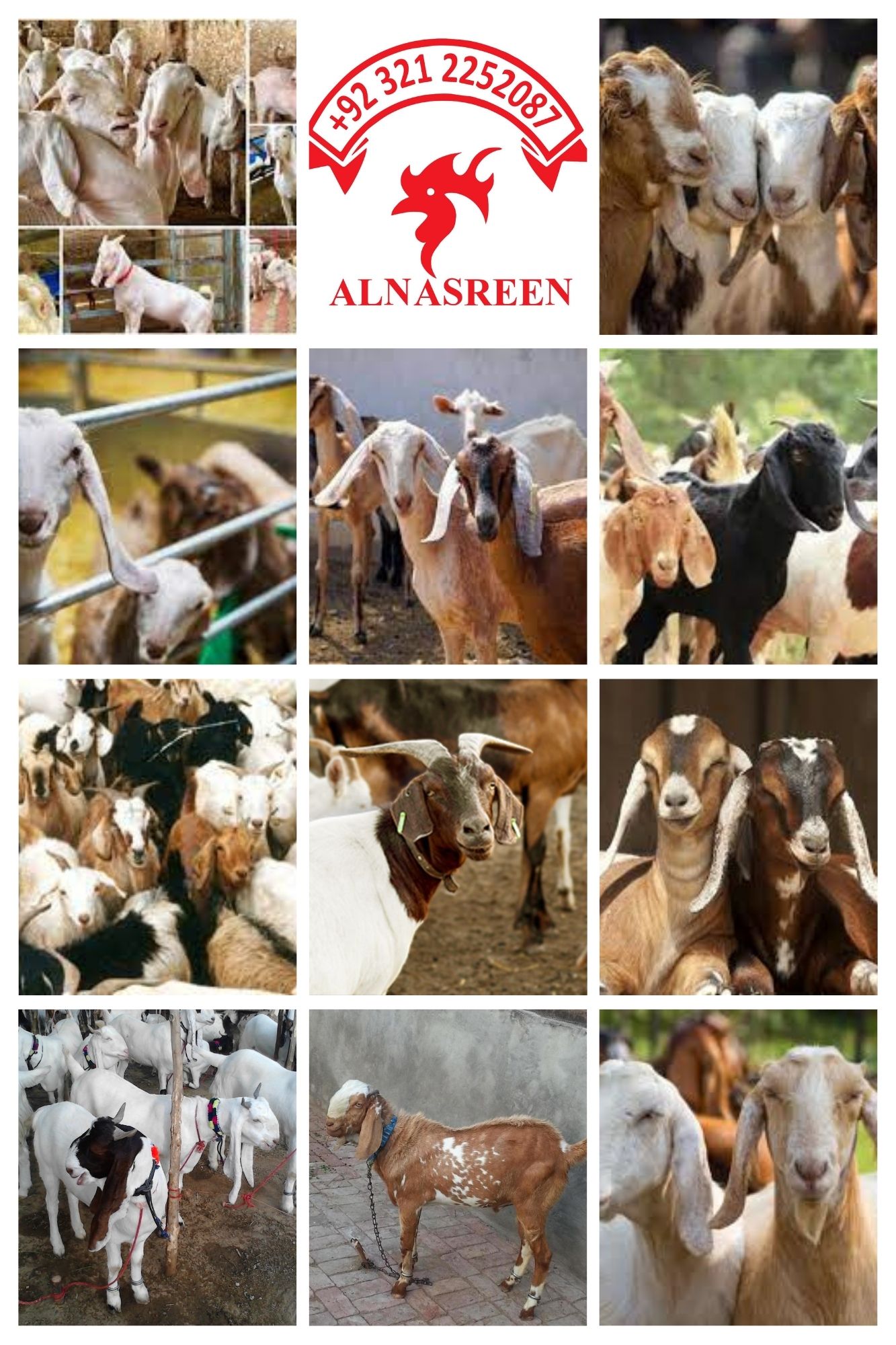
It is essential to choose a healthy sheep or goat for sacrifice. According to the Prophet (peace be upon him), the animal should not be one that is disabled or unfit for consumption.
“The best of sacrifices is the one that is healthy and abundant.”
— (Narrated by Ahmad) -
Distributing the Meat
After the sacrifice, it is encouraged to distribute the meat among family, friends, and the needy. The Prophet (peace be upon him) instructed that:
“One-third of the meat should be given in charity, one-third kept for the family, and one-third should be shared with friends.”
— (Narrated by Al-Bayhaqi) -
Celebrating the Aqeeqah
Holding a small gathering to celebrate the Aqeeqah is encouraged. This serves as a community event that highlights collective gratitude and joy over the newborn.
Common Misconceptions about Aqeeqah
Misunderstandings about the Aqeeqah can lead to improper observance. Here are a few clarified points:
-
One or Two Animals
Some individuals mistakenly believe that whether a boy or girl is born, the same number of animals should be sacrificed. The Sunnah validates that two sheep for a boy and one sheep for a girl is preferable.
-
Timing Flexibility
Another misconception is that Aqeeqah must strictly be performed on the seventh day. While this is encouraged, it is permissible to perform the Aqeeqah any time up to the age of puberty.
-
Need for Expert Help
It is often thought that Aqeeqah can only be conducted by a knowledgeable person or scholar. In truth, anyone can perform the Aqeeqah on their child as long as they follow the guidelines of the Sunnah.
Aqeeqah in Modern Context
In current times, Aqeeqah can often be seen as a bridging cultural practice in Muslim societies around the world. The fundamental principles remain, but interpretations may adapt to local customs and variations.
Despite this fluidity, the core message of gratitude and community remains intact. The establishment of gatherings and community donations during AQIQAH provides a beautiful chance for Muslims to come together.
Conclusion
Aqeeqah stands as a deeply rooted Sunnah that reflects the values of gratitude, community, and devotion to Allah. Understanding its authentic practices and supplications through verified Hadith not only strengthens a Muslim’s faith but also assures that the act is performed correctly. Engaging in the traditions associated with Aqeeqah fosters a culture of appreciation for child-rearing and reverence towards the gifts bestowed by Allah.

