

Understanding Aqiqah in Islamic Tradition
Definition of Aqiqah
Aqiqah, a significant Islamic tradition, refers to the sacrifice of an animal performed on behalf of a newborn. Its primary purpose is to express gratitude to Allah for the gift of a child and to seek blessings for the newborn. This practice is grounded in the teachings of the Prophet Muhammad (peace be upon him) and is imbued with spiritual significance in the lives of Muslim families.
The Significance of Aqiqah
-
Spiritual Gratitude
Aqiqah serves as an expression of gratitude towards Allah for the blessing of a child. It symbolizes the parents’ recognition of the child as a gift and a responsibility. -
Cultural Heritage
Aqiqah is deeply embedded in Muslim culture and varies across different regions. While the fundamental principles remain the same, cultural interpretations add layers of meaning to the practice. -
Charitable Aspect
The meat from the sacrificed animal is often distributed among family, friends, and the less fortunate, reinforcing the values of charity and community support in Islam.
When Should Aqiqah Be Performed?
Aqiqah is typically performed on the seventh day after the birth of a child. In the case of twins, a separate Aqiqah is performed for each child.
-
Flexibility in Timing
While the seventh day is preferred, Islamic scholars agree that Aqiqah can be performed later if circumstances prevent it from being done on that specific day. The essential requirement is that it occurs as soon as it is feasible. -
Ceremonial Practices
Families often celebrate Aqiqah with a gathering that includes friends and relatives, highlighting the community aspect of the event.
The Ritual of Aqiqah
-
Animal Type
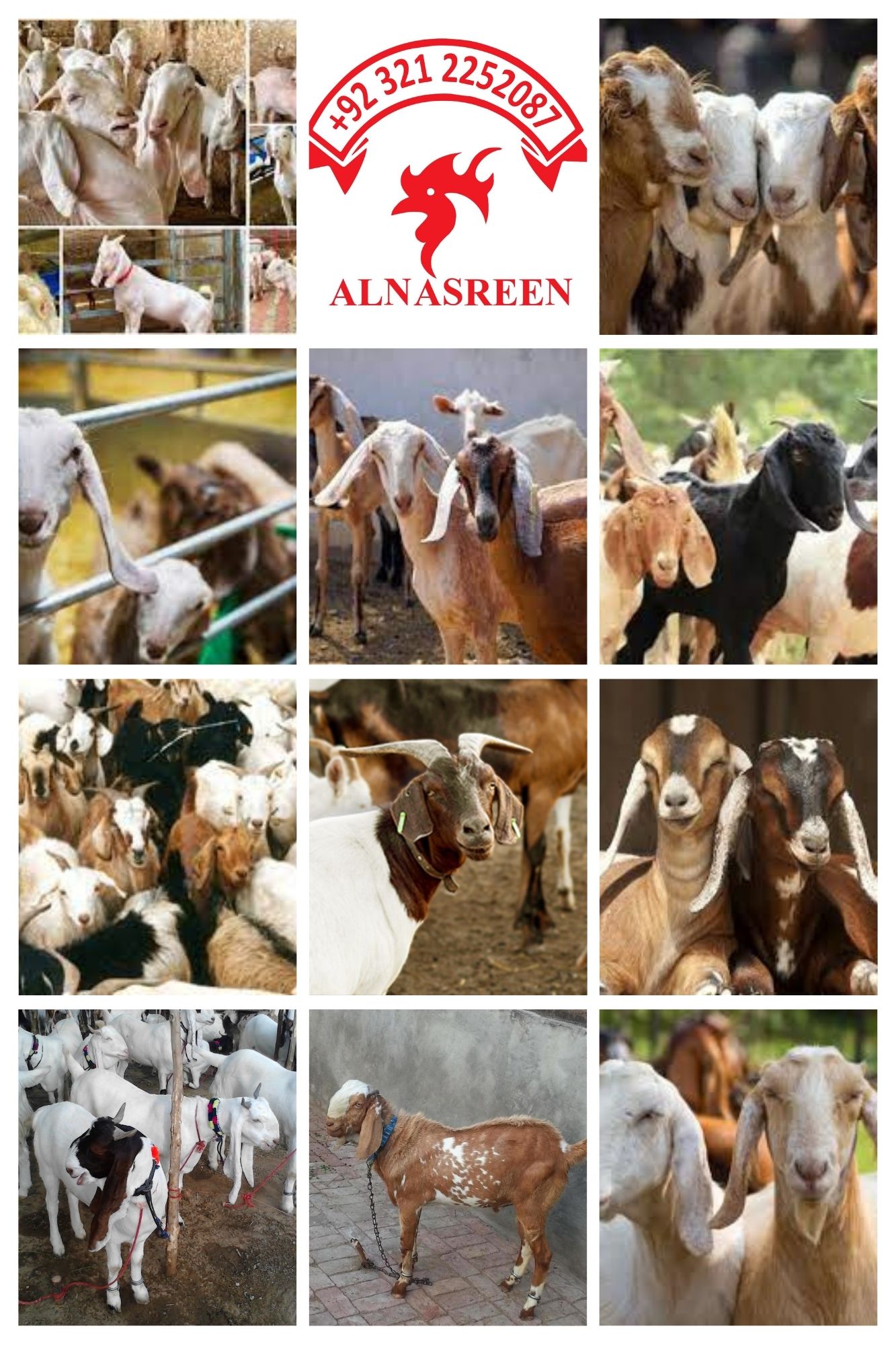
According to Islamic tradition, the animal sacrificed for Aqiqah can be a sheep, goat, cow, or camel. Specific guidelines apply based on the family’s financial capability and local customs.-
Single Child: For a boy, one sheep is traditionally sacrificed; for a girl, one sheep is also permissible.
-
Twins: Two sheep for twin boys or one sheep each for a boy and a girl.
-
-
Health and Condition of Animal
The animal must be in good health, at least one year old (for sheep and goats), and free from defects. These conditions are meant to uphold the standards of sacrifice in Islam, ensuring respect for the life taken. -
Method of Sacrifice
The method of sacrifice must comply with Shariah rules, ensuring the animal is treated humanely and is slaughtered facing the Qibla (the direction of the Kaaba in Mecca). The slaughter should reverently acknowledge Allah.
The Aqiqah Ceremony
-
Preparation
The family prepares for the ceremony by selecting the venue and informing close relatives and friends. Traditionally, food is prepared for guests, with meat from the sacrificed animal forming a significant part of the meal. -
Prayer and Blessings
A special prayer is often conducted during the Aqiqah ceremony. The father might offer a supplication for the newborn, asking for health, wisdom, and guidance from Allah. -
Distribution of Meat
A considerable portion of the meat is typically distributed to the needy and poor, fulfilling the philanthropic purpose of the Aqiqah. Portions may be given to guests, while some meat is retained for the family.
Aqiqah and Naming Ceremony
In many cultural contexts, Aqiqah coincides with the naming ceremony of the child, underscoring the connection between these two significant milestones.
-
Choosing a Name
The choice of a name often reflects cultural heritage, familial lineage, and religious significance. Parents choose names that carry positive meanings, such as those of prophets or notable figures in Islam. -
Cultural Celebrations
Regional variations may include traditional sings, meals, or dances during the naming ceremony, showcasing cultural diversity within the context of Aqiqah.
Aqiqah for Adoptees and Late Performances
-
Aqiqah for Adopted Children
The practice of Aqiqah is also extended to adopted children. Islam encourages treating adopted children equally to biological offspring, ensuring they receive the blessings associated with the Aqiqah ritual. -
Late Performances
If the Aqiqah is not performed at the traditional time, it is still encouraged to carry out the sacrifice at a later date, showing that the reverence for the child’s significance should not be limited by timing.
Common Misconceptions
-
Aqiqah as Mandatory
A common misconception is that Aqiqah is a mandatory obligation (fard). Instead, it is regarded as a recommended Sunnah act, encouraging families to perform it while acknowledging personal circumstances. -
Specific Number of Animals
Families may believe that there are strict guidelines on the type and number of animals. In actuality, it is flexible, with local customs influencing practices.
Aqiqah in Contemporary Society
In today’s global context, the Aqiqah tradition adapts to reflect modern values and lifestyles.
-
Virtual Celebrations
Some families host online gatherings, particularly in the diaspora communities, retaining the spirit of Aqiqah while embracing technology’s benefits. -
Charity Organizations
Various charitable organizations facilitate Aqiqah sacrifices, allowing families to contribute to social causes while fulfilling their religious obligations, particularly beneficial for those unable to carry out the sacrifice themselves.
Conclusion on Aqiqah’s Role in Muslim Life
Aqiqah is more than just a ritual; it embodies appreciation for the divine favor of children. This tradition reinforces family ties, nurtures community welfare, and lays the groundwork for ethical and charitable living. Whether performed in grand ceremonies or intimate family gatherings, Aqiqah stands as a unique blend of spirituality and social responsibility within the Islamic faith. Adhering to Aqiqah practices cultivates gratitude, compassion, and unity, essential tenets that define the rich tapestry of Muslim life.
This article has explored the essential elements of Aqiqah, highlighting its significance, rituals, and the broader impact it holds in the Muslim community. Understanding Aqiqah helps foster a deeper appreciation for this cherished tradition that continues to influence the lives of countless families worldwide.

