

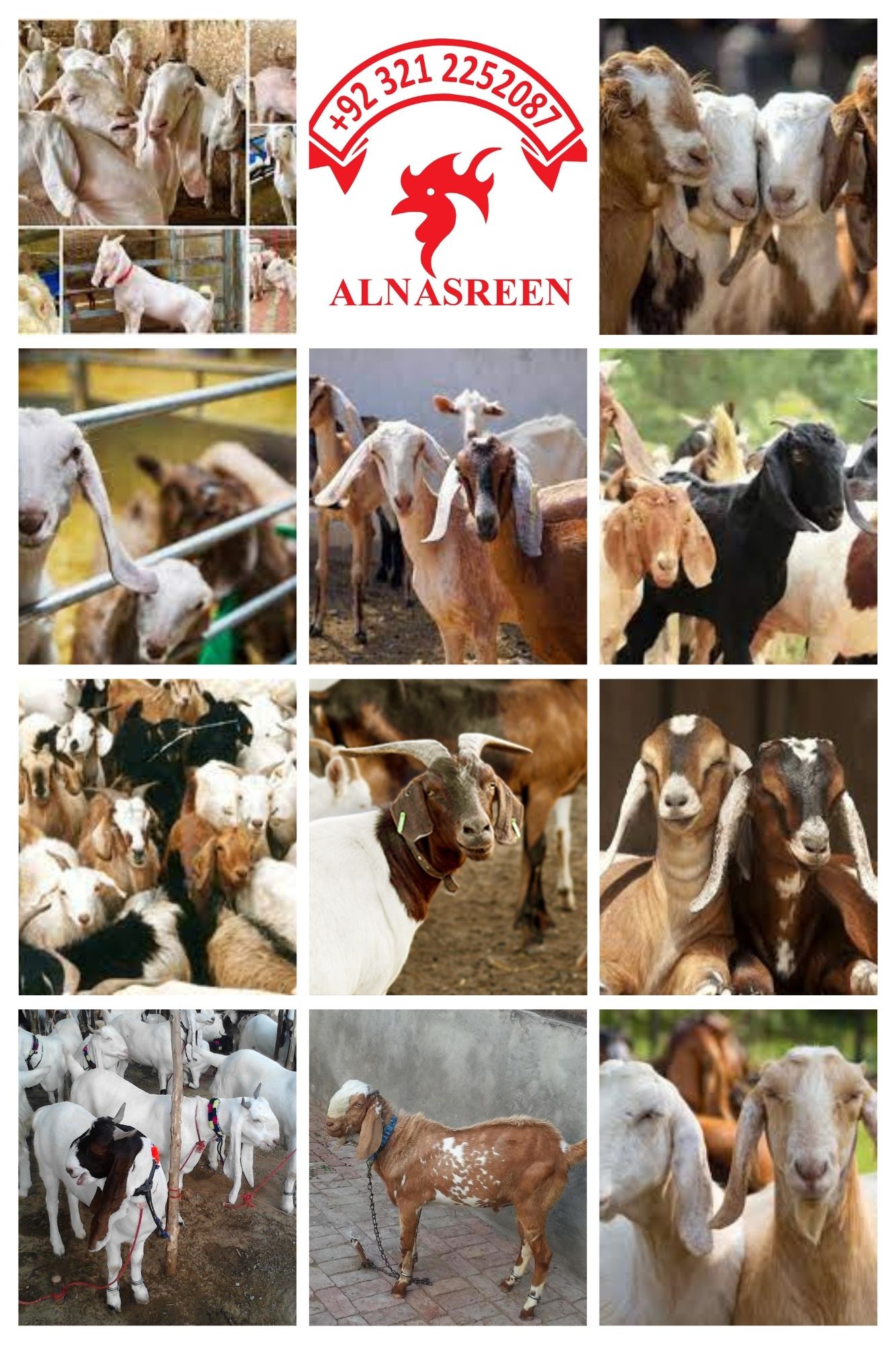
Aqiqa Bakra North Nazimabad Karachi – ALNASREEN: A Comprehensive Guide to Sacrifice and Celebration
Understanding Aqiqa: Significance, Timing, and Observance
Aqiqa, an Islamic tradition, is the sacrifice of an animal, typically a goat or sheep (bakra), to celebrate the birth of a child. It’s a sunnah (recommended practice) of the Prophet Muhammad (peace be upon him) and is considered a gesture of gratitude to Allah (God) for the blessing of a new life. The meat is then distributed among family, friends, and the poor.
The primary purpose of Aqiqa is to express thankfulness to Allah for the child’s arrival. It’s also believed to be a means of seeking protection and blessings for the newborn. Furthermore, Aqiqa strengthens community bonds through sharing the meat of the sacrificed animal.
The ideal time to perform Aqiqa is on the seventh day after the child’s birth. However, if circumstances prevent it, it can be performed on the fourteenth or twenty-first day. If it’s not possible on those days, it can be done at any time later in the child’s life, or even when the child is an adult, though performing it early is generally preferred.
The number of animals sacrificed differs based on gender. For a baby boy, two goats or sheep are recommended. For a baby girl, one goat or sheep is sufficient. This distinction is based on specific hadith (sayings and actions of the Prophet Muhammad). However, sacrificing one animal for a boy is also considered permissible, particularly if financial constraints exist.
The animal chosen for Aqiqa must meet specific criteria. It should be healthy, free from defects, and of a suitable age. Typically, a goat or sheep should be at least six months old. The animal should not be blind, lame, sick, or excessively thin. These requirements ensure that the sacrifice is of the highest quality and acceptable to Allah.
The Aqiqa ceremony itself involves the slaughter of the animal in accordance with Islamic guidelines. A qualified individual should perform the slaughter, ensuring it is done swiftly and humanely. The name of Allah should be invoked during the slaughter, and a prayer should be recited. After the slaughter, the meat is prepared and distributed.
The distribution of the meat is a crucial aspect of Aqiqa. It is recommended to divide the meat into three portions: one for the family, one for relatives and friends, and one for the poor and needy. This ensures that the blessings of Aqiqa are shared with the wider community.
ALNASREEN: Your Partner for Aqiqa in North Nazimabad, Karachi
ALNASREEN, located in North Nazimabad, Karachi, is a well-regarded provider of Aqiqa services, offering a comprehensive solution for families looking to fulfill this important Islamic tradition. They specialize in providing healthy, compliant animals for sacrifice and facilitating the entire Aqiqa process.
ALNASREEN distinguishes itself through several key features:
- Quality Animals: ALNASREEN prioritizes the health and quality of its animals. They source their goats and sheep from trusted suppliers, ensuring they meet the Islamic requirements for Aqiqa. The animals are well-fed, healthy, and free from any defects.
- Expert Slaughtering: ALNASREEN employs experienced and qualified individuals to perform the slaughter according to Islamic guidelines. They ensure that the slaughter is done humanely and with the proper invocations and prayers.
- Convenient Service: ALNASREEN offers a convenient and hassle-free service for families. They handle all aspects of the Aqiqa process, from selecting the animal to preparing the meat for distribution.
- Transparency and Trust: ALNASREEN operates with transparency and integrity. They provide clear pricing and information about their services, ensuring that families feel confident and trust their expertise.
- Community Focus: ALNASREEN is committed to supporting the local community. They ensure that a portion of the Aqiqa meat is distributed to the poor and needy, contributing to the well-being of the community.
Navigating the Aqiqa Process with ALNASREEN
Choosing ALNASREEN for your Aqiqa needs simplifies the entire process. Here’s a step-by-step guide to how they typically operate:
-
Consultation and Selection: The first step involves contacting ALNASREEN and discussing your requirements. You can specify the gender of the child, your budget, and any specific preferences you may have for the animal. ALNASREEN’s team will guide you through the selection process, helping you choose a suitable goat or sheep. They will provide information about the animal’s age, health, and price.
-
Booking and Payment: Once you have selected an animal, you can book it with ALNASREEN. They will require a deposit or full payment to secure the animal. ALNASREEN typically accepts various payment methods, including cash, bank transfer, and mobile payment options.
-
Slaughter Arrangement: ALNASREEN will arrange for the slaughter of the animal on your behalf. You can choose to be present during the slaughter or entrust it entirely to ALNASREEN. They will ensure that the slaughter is performed according to Islamic guidelines by a qualified individual.
-
Meat Preparation and Distribution: After the slaughter, ALNASREEN will prepare the meat for distribution. They can cut the meat into portions and package it according to your instructions. You can then collect the meat yourself for distribution, or you can request ALNASREEN to handle the distribution on your behalf. They typically have established channels for distributing meat to the poor and needy in the local community.
-
Documentation and Certification: ALNASREEN may provide documentation or certification confirming that the Aqiqa has been performed according to Islamic guidelines. This can be helpful for families who want to keep a record of their religious obligations.
Factors to Consider When Choosing an Aqiqa Service Provider
Selecting the right Aqiqa service provider is crucial to ensuring that the sacrifice is performed correctly and ethically. Here are some key factors to consider:
- Reputation and Reliability: Research the provider’s reputation and reliability. Read online reviews and testimonials from other customers. Ask for referrals from friends or family members who have used their services before.
- Animal Quality and Health: Inquire about the source of the animals and the provider’s standards for animal quality and health. Ensure that the animals meet the Islamic requirements for Aqiqa.
- Slaughtering Practices: Verify that the provider employs qualified individuals to perform the slaughter according to Islamic guidelines. Ensure that the slaughter is done humanely and with the proper invocations and prayers.
- Transparency and Pricing: Look for a provider that is transparent about its pricing and services. Obtain a detailed quote that includes all costs associated with the Aqiqa, such as the price of the animal, slaughtering fees, and distribution charges.
- Distribution Channels: Inquire about the provider’s distribution channels for the meat. Ensure that they have established methods for distributing meat to the poor and needy.
- Customer Service: Assess the provider’s customer service. They should be responsive to your inquiries and willing to address any concerns you may have.
- Hygiene and Sanitation: Ensure that the provider maintains high standards of hygiene and sanitation in its facilities. This is important for ensuring the safety and quality of the meat.
Alternative Options for Aqiqa Meat Distribution
While distributing the meat directly to family, friends, and the poor is the traditional method, alternative options exist that can be more convenient or impactful.
- Donating to Charity: Instead of distributing the meat yourself, you can donate it to a reputable charity or organization that works with the needy. This ensures that the meat reaches those who are most in need and can be distributed efficiently. Many Islamic charities have established programs for distributing Aqiqa meat to vulnerable populations.
- Partnering with Local Mosques: Local mosques often have connections with families in need and can assist with the distribution of Aqiqa meat. Partnering with a mosque can ensure that the meat reaches those who are deserving and can benefit from it.
- Supporting Orphanages: Orphanages are another deserving recipient of Aqiqa meat. Many orphanages struggle to provide adequate nutrition for the children in their care, and a donation of Aqiqa meat can significantly improve their diet.
- Collaborating with Food Banks: Food banks are organizations that collect and distribute food to individuals and families in need. Donating Aqiqa meat to a food bank can help them provide nutritious meals to those who are struggling with food insecurity.
The Ethical Considerations of Aqiqa
Beyond the religious and practical aspects, Aqiqa also raises important ethical considerations.
- Animal Welfare: It is crucial that the animal is treated with respect and compassion throughout the entire process, from its selection to its slaughter. The animal should be handled gently and provided with adequate food and water. The slaughter should be performed swiftly and humanely to minimize suffering.
- Environmental Impact: Livestock farming can have a significant environmental impact, contributing to greenhouse gas emissions and deforestation. Consider choosing a provider that sources animals from sustainable farms that minimize their environmental footprint.
- Social Responsibility: Ensure that the Aqiqa is performed in a way that benefits the community. Distribute the meat to those who are most in need and support local charities and organizations that work with vulnerable populations.
- Avoiding Waste: Minimize waste by distributing the meat promptly and ensuring that it is properly stored. Consider donating any leftover meat to a food bank or charity.
Aqiqa in the Modern Context: Adapting Tradition to Contemporary Life
While Aqiqa remains a deeply

