

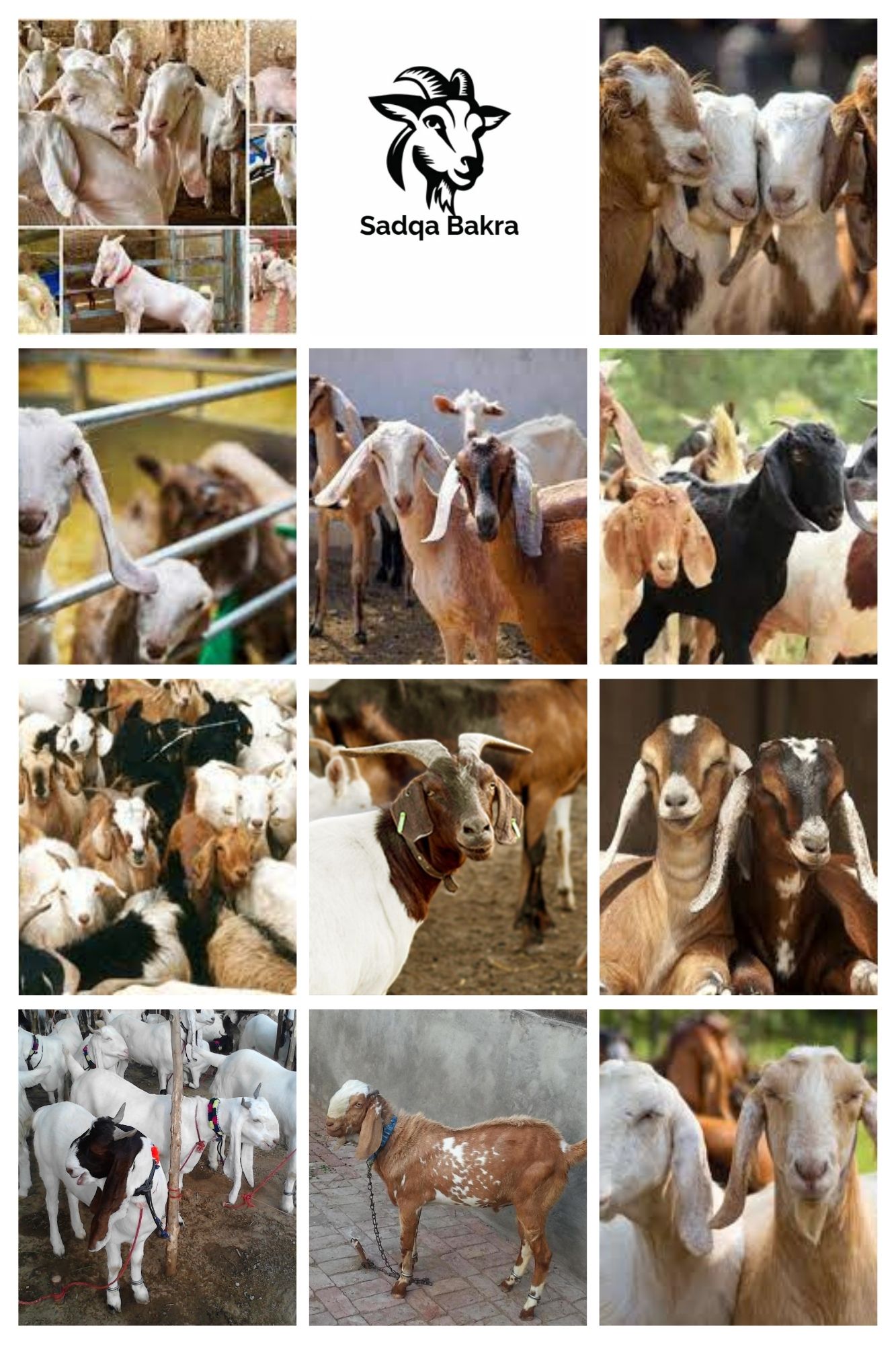
Aqiqa Bakra Hyderi North Nazimabad – ALNASREEN 0321-2252087: A Comprehensive Guide to Aqiqa Services
Understanding Aqiqa: Islamic Significance and Practice
Aqiqa, in Islamic tradition, is a celebratory sacrifice performed upon the birth of a child. It is a Sunnah Mu’akkadah, a highly recommended practice, rooted in the teachings and traditions of Prophet Muhammad (peace be upon him). The act signifies gratitude to Allah for the blessing of a newborn and involves the slaughter of an animal, typically a sheep or goat (bakra), followed by the distribution of the meat to family, friends, and the needy.
The theological basis for Aqiqa is found in various Hadith narrations. These narrations highlight the Prophet’s (PBUH) own performance of Aqiqa for his grandsons, Hassan and Hussain, setting a precedent for the Muslim community. The Aqiqa is considered a means of strengthening the bond between the child and the Muslim community, fostering generosity, and seeking blessings for the child’s well-being and future.
The timing of the Aqiqa is ideally on the seventh day after the child’s birth. However, if circumstances prevent performing it on the seventh day, it can be carried out at any time later in the child’s life. Some scholars suggest performing it before the child reaches puberty.
The animal sacrificed in Aqiqa must meet specific criteria similar to those for Qurbani (Eid al-Adha sacrifice). It should be healthy, free from any visible defects, and of a suitable age. Generally, a sheep or goat should be at least six months old.
The meat from the Aqiqa is typically divided into three portions: one for the family, one for relatives and friends, and one for the poor and needy. This distribution emphasizes the spirit of sharing and generosity that underlies the Aqiqa tradition.
ALNASREEN: Aqiqa Services in Hyderi, North Nazimabad
ALNASREEN, accessible at 0321-2252087, is a provider of Aqiqa services located in the Hyderi area of North Nazimabad, Karachi. They cater to families seeking to fulfill this important Islamic tradition with ease and convenience. Understanding the significance of Aqiqa and the specific requirements involved, ALNASREEN aims to offer a comprehensive and reliable service that adheres to Islamic guidelines.
Their services generally encompass the following key aspects:
-
Animal Selection: ALNASREEN typically offers a selection of healthy and appropriately aged sheep and goats (bakra) suitable for Aqiqa. They may source their animals from trusted local farms or suppliers, ensuring they meet the required standards. The selection process often involves consultation with the client, allowing them to choose an animal that aligns with their budget and preferences.
-
Slaughtering (Zabiha): ALNASREEN conducts the slaughtering (Zabiha) of the animal according to Islamic rites. This involves a swift and humane method performed by a qualified individual who is knowledgeable in Islamic slaughtering practices. The process usually includes reciting the necessary prayers and ensuring the animal is treated with respect.
-
Meat Processing and Distribution: Following the slaughter, ALNASREEN typically handles the processing of the meat. This includes cleaning, cutting, and packaging the meat into portions suitable for distribution. They may also offer assistance with the distribution of the meat to designated recipients, such as family, friends, and the needy. Clients can often specify how they want the meat to be divided and distributed.
-
Hygiene and Cleanliness: Maintaining hygiene and cleanliness throughout the process is crucial. ALNASREEN should adhere to strict hygiene standards in their facilities and during the handling of the animals and meat. This includes proper sanitation, waste disposal, and ensuring the safety and quality of the meat.
-
Transparency and Communication: Transparency in the process and clear communication with clients are essential. ALNASREEN should provide detailed information about their services, pricing, and procedures. They should also be available to answer any questions or concerns that clients may have.
Key Considerations When Choosing Aqiqa Services
When selecting an Aqiqa service provider like ALNASREEN, several factors should be carefully considered to ensure a satisfactory and religiously compliant experience:
-
Reputation and Reliability: Research the reputation of the service provider. Seek recommendations from friends, family, or community members who have used their services before. Online reviews and testimonials can also provide valuable insights.
-
Compliance with Islamic Guidelines: Ensure that the service provider adheres strictly to Islamic guidelines regarding animal selection, slaughtering, and meat distribution. Inquire about their procedures and verify that they are in accordance with Islamic teachings.
-
Animal Health and Welfare: Prioritize the health and welfare of the animals. Choose a service provider that sources their animals from reputable suppliers and ensures they are treated humanely. Visit their facilities, if possible, to assess the conditions in which the animals are kept.
-
Hygiene and Sanitation: Assess the hygiene and sanitation standards of the service provider’s facilities. Ensure that they maintain a clean and safe environment for handling the animals and meat.
-
Pricing and Transparency: Obtain a clear and detailed price quote that includes all costs associated with the Aqiqa service. Ensure that there are no hidden fees or charges. Transparency in pricing is essential for building trust and avoiding misunderstandings.
-
Slaughtering Method (Zabiha): Confirm that the slaughtering is performed according to Islamic rites by a qualified individual. The Zabiha should be swift, humane, and performed with the proper intention and prayers.
-
Meat Distribution: Inquire about the service provider’s meat distribution practices. Determine whether they offer assistance with distribution to family, friends, and the needy, and whether they allow clients to specify their distribution preferences.
-
Customer Service: Evaluate the quality of the service provider’s customer service. Are they responsive to inquiries, helpful, and willing to address your concerns? Good customer service is essential for a positive and stress-free experience.
-
Certification and Licensing: Check if the service provider has any relevant certifications or licenses that demonstrate their commitment to quality and compliance with regulations.
Aqiqa Bakra: Breed, Size, and Cost Considerations
The type of bakra (sheep or goat) used for Aqiqa can vary depending on factors such as availability, cost, and regional preferences. In the Hyderi, North Nazimabad area, common breeds of sheep and goats available for Aqiqa might include:
- Local Breeds: Various local breeds of sheep and goats are typically available in Karachi. These breeds are often well-adapted to the local climate and conditions.
- Crossbreds: Crossbred animals, which are a mix of different breeds, may also be available. These crossbreds can offer a combination of desirable traits from different breeds.
The size and weight of the bakra will also influence the cost. Larger animals generally yield more meat and therefore may be more expensive. It’s essential to discuss your budget and desired meat yield with ALNASREEN to determine the most suitable option.
The cost of an Aqiqa bakra can fluctuate depending on market conditions, breed, size, and the overall health of the animal. It’s advisable to obtain a quote from ALNASREEN that includes the cost of the animal, slaughtering, processing, and any other associated fees.
The Role of Community and Charity in Aqiqa
Aqiqa is not only a religious obligation but also an opportunity to strengthen community bonds and support those in need. The distribution of the meat to family, friends, and the poor is an integral part of the Aqiqa tradition.
By sharing the meat with others, families can express their gratitude to Allah, celebrate the birth of their child, and contribute to the well-being of their community. The act of giving also fosters a sense of generosity and compassion.
ALNASREEN may be able to assist with the distribution of meat to charitable organizations or individuals in need. Clients can discuss their preferences for meat distribution with ALNASREEN to ensure that it aligns with their values and goals.
Legal and Ethical Considerations
Performing Aqiqa should always be done in accordance with local laws and regulations regarding animal slaughter. It’s crucial to ensure that the slaughtering is carried out in a humane and ethical manner, minimizing any suffering to the animal.
ALNASREEN should be aware of and comply with all applicable laws and regulations related to animal slaughter, hygiene, and waste disposal. They should also prioritize the ethical treatment of animals throughout the process.
Aqiqa and Gender: Addressing Common Questions
Islamic scholars generally agree that the number of animals sacrificed in Aqiqa differs based on the gender of the child. For a baby boy, it is recommended to sacrifice two sheep or goats, while for a baby girl, one sheep or goat is sufficient. This distinction is based on some interpretations of Hadith. However, some scholars argue that sacrificing one animal for both boys and girls is also permissible and fulfills the Sunnah.
It’s important to consult with a knowledgeable Islamic scholar to determine the most appropriate course of action based on individual beliefs and circumstances. ALNASREEN can provide information about the different options available, but the final decision rests with the family.
Beyond the Sacrifice: Celebrating the Newborn
While the sacrifice of an animal is the central act of Aqiqa, the celebration of the newborn extends beyond this ritual. It’s a time for family and friends to gather, express their joy, and offer blessings for the child’s future.
Other common practices associated with Aqiqa may include:
- **Shaving the Baby’s

