

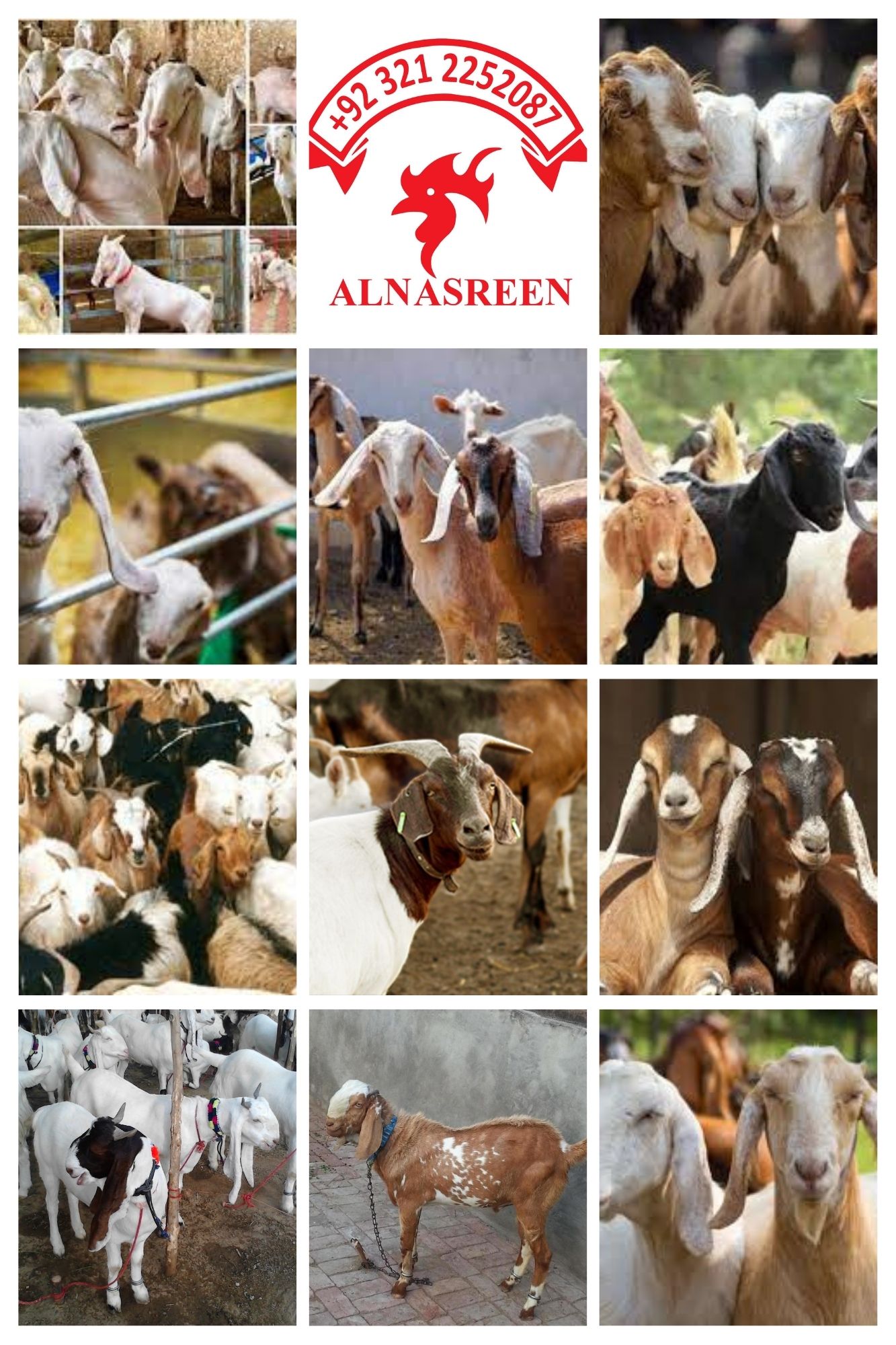
Aqiqa Bakra at Home with ALNASREEN: A Comprehensive Guide
Aqiqa, the Islamic tradition of celebrating the birth of a child with the sacrifice of an animal, is a significant event for Muslim families. Performing Aqiqa at home, particularly with a focus on quality and adherence to Islamic principles, is a cherished practice. ALNASREEN, a provider of livestock and Aqiqa services, offers resources and support for families wishing to conduct this sacred ritual within the comfort of their own homes. This comprehensive guide explores the intricacies of performing Aqiqa Bakra (goat) at home with the guidance and assistance of ALNASREEN, covering everything from selecting the appropriate animal to the proper distribution of the meat.
Understanding the Significance of Aqiqa
Aqiqa, derived from the Arabic word meaning “to cut,” symbolizes cutting the child’s ties to worldly attachments and dedicating them to Allah. It is a Sunnah Mu’akkadah, a strongly recommended practice in Islam, signifying gratitude to Allah for the gift of a child and seeking His blessings for their well-being, health, and righteous upbringing. The sacrifice is performed as an act of worship and charity, with the meat distributed among family, friends, and the needy. The tradition also involves shaving the newborn’s head and giving silver equivalent to the weight of the hair in charity.
Choosing the Right Bakra (Goat) for Aqiqa
Selecting the appropriate Bakra (goat) is crucial for a valid and fulfilling Aqiqa. Islamic guidelines outline specific criteria for the sacrificial animal:
- Age: The goat should be at least one year old. This ensures the animal has reached maturity and is suitable for sacrifice.
- Health: The animal must be healthy and free from any visible defects or diseases. It should be well-nourished and exhibit signs of vitality. Avoid animals that are excessively thin, lame, blind, or have missing teeth.
- Physical Integrity: The animal should be complete and free from significant physical imperfections. Avoid animals with broken horns, severely injured limbs, or any other debilitating condition.
- Size and Weight: While not strictly mandated, it is preferable to choose a Bakra of reasonable size and weight, ensuring sufficient meat for distribution.
ALNASREEN plays a vital role in this selection process. They offer a selection of Bakras specifically raised for Aqiqa, ensuring they meet all the necessary Islamic requirements. They provide expert advice and guidance, helping families choose an animal that aligns with their budget and preferences. ALNASREEN‘s commitment to quality and ethical sourcing ensures that the chosen Bakra is healthy, well-cared for, and suitable for the sacred purpose of Aqiqa. They can also provide details on the Bakra’s origin and rearing practices, offering transparency and peace of mind to the family.
Preparing for Aqiqa at Home: Essential Considerations
Performing Aqiqa at home requires careful planning and preparation to ensure a smooth and respectful process. Key considerations include:
- Space and Logistics: Designate a clean and appropriate space for the sacrifice. This area should be away from living areas and easily cleaned afterward. Consider the logistics of handling the animal and processing the meat.
- Slaughtering Expertise: It is essential to have a skilled and knowledgeable individual perform the slaughter according to Islamic guidelines. The person should be familiar with the proper techniques for Dhabiha (Islamic slaughter) and ensure the animal is treated with respect and compassion. ALNASREEN can often provide or recommend qualified individuals for this task.
- Necessary Equipment: Gather all the necessary equipment, including sharp knives, containers for collecting blood, a clean surface for processing the meat, and tools for skinning and cutting the animal. Ensure all equipment is thoroughly cleaned and sanitized before use.
- Hygiene and Sanitation: Maintain strict hygiene standards throughout the process. Wear gloves and aprons to prevent contamination. Ensure proper disposal of waste materials, including blood and animal parts, in accordance with local regulations.
- Distribution Plan: Plan how the meat will be distributed among family, friends, and the needy. Consider preparing portions in advance and having containers ready for distribution.
- Permits and Regulations: Check with local authorities regarding any permits or regulations required for animal slaughter at home. Ensure compliance with all applicable laws.
ALNASREEN can assist with many of these preparations. They can offer advice on setting up the slaughtering area, recommend qualified individuals to perform the sacrifice, and provide guidance on proper hygiene and sanitation practices. They can also offer pre-packaged Aqiqa kits containing essential supplies, such as knives, gloves, and containers, simplifying the preparation process.
The Process of Dhabiha (Islamic Slaughter)
Dhabiha, the Islamic method of slaughter, is a specific ritual designed to minimize the animal’s suffering and ensure humane treatment. The key steps involved in Dhabiha are:
- Intention (Niyyah): The person performing the slaughter must have the intention (Niyyah) to slaughter the animal for the sake of Allah.
- Direction (Qibla): The animal should be facing the Qibla (direction of the Kaaba in Mecca).
- Sharp Knife: A sharp knife should be used to ensure a swift and clean cut.
- Severing the Vessels: The knife should be used to sever the jugular veins, carotid arteries, and trachea (windpipe) in a single, swift motion.
- Allowing Drainage: The animal should be allowed to bleed out completely. This is considered essential for ensuring the meat is halal (permissible).
It is crucial to perform Dhabiha with reverence and compassion, reciting the Tasmiyah (“Bismillah”) before making the cut. The animal should be treated with respect throughout the process.
ALNASREEN emphasizes the importance of ethical and humane slaughter practices. They work with individuals who are knowledgeable and experienced in Dhabiha, ensuring that the animal is treated with respect and compassion throughout the process. They can also provide guidance on the proper recitation of the Tasmiyah and other relevant Islamic protocols.
Processing and Distributing the Meat
After the Dhabiha is completed, the meat needs to be processed and distributed. This involves:
- Skinning: Carefully remove the skin from the animal.
- Evisceration: Remove the internal organs.
- Cutting and Portioning: Cut the meat into manageable portions for distribution.
- Cleaning: Thoroughly clean the meat and remove any excess fat or blood.
- Distribution: Distribute the meat among family, friends, and the needy. It is customary to divide the meat into three portions: one for the family, one for relatives and friends, and one for charity.
When distributing the meat, prioritize those who are in need and those who are less fortunate. Consider delivering the meat directly to their homes or providing it to local charities and organizations that serve the poor.
ALNASREEN can offer assistance with the meat processing and distribution process. They can provide guidance on proper cutting and portioning techniques, ensuring that the meat is prepared in a hygienic and presentable manner. They can also connect families with local charities and organizations that can help distribute the meat to those in need.
Shaving the Head and Giving Charity
In addition to the animal sacrifice, Aqiqa also involves shaving the newborn’s head and giving silver equivalent to the weight of the hair in charity. This symbolizes purification and detachment from worldly possessions.
- Shaving the Head: The baby’s head is typically shaved on the seventh day after birth, coinciding with the Aqiqa ceremony.
- Weighing the Hair: The shaved hair is weighed, and the equivalent weight in silver is calculated.
- Giving Charity: The calculated amount of silver (or its monetary equivalent) is given to the poor and needy.
This act of charity is considered an important part of the Aqiqa ritual, symbolizing generosity and compassion towards those in need.
ALNASREEN can provide information on the current market value of silver, helping families determine the appropriate amount to give in charity. They can also suggest reputable charities and organizations that can receive the donation on behalf of the family.
Benefits and Wisdom of Aqiqa
Performing Aqiqa offers numerous benefits and embodies profound wisdom:
- Gratitude to Allah: It is an expression of gratitude to Allah for the gift of a child.
- Seeking Blessings: It seeks Allah’s blessings for the child’s well-being, health, and righteous upbringing.
- Strengthening Family Bonds: It strengthens family bonds through shared celebration and the distribution of meat.
- Promoting Charity: It promotes charity and compassion towards the poor and needy.
- Following the Sunnah: It is a Sunnah Mu’akkadah, a strongly recommended practice in Islam.
- Spiritual Purification: It symbolizes spiritual purification and detachment from worldly possessions.
By performing Aqiqa with sincerity and devotion, families can reap the numerous benefits and blessings associated with this sacred tradition.
Common Questions and Concerns about Aqiqa at Home
Performing Aqiqa at home can raise several questions and concerns. Here are some common queries and their answers:
- Is it permissible to perform Aqiqa at home? Yes, it is permissible to perform Aqiqa at home, provided that all Islamic guidelines and local regulations are followed.
- What if I cannot afford to perform Aqiqa? Aqiqa is a recommended practice, but it is not obligatory. If you cannot afford it, you are not obligated to perform it.
- Can I perform Aqiqa for multiple children at once? Yes,

